Is Shinsekai Dangerous? A Safety Guide to This Fun Osaka Destination
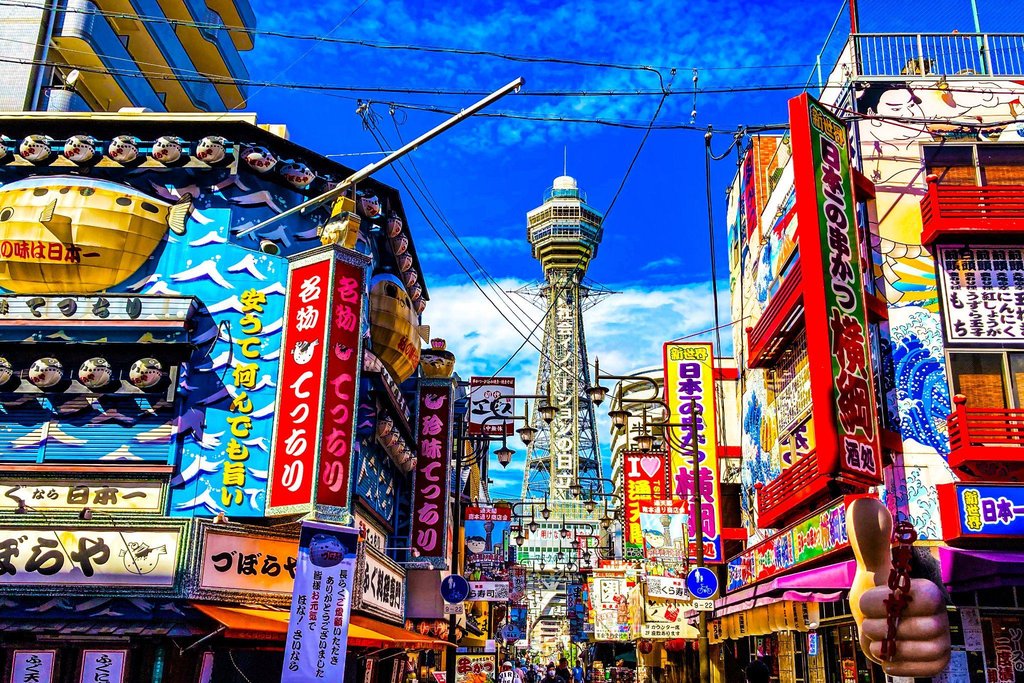
Want to visit Shinsekai in Osaka but feeling uneasy after seeing information calling it “dangerous”? You’ll find mixed opinions about Shinsekai’s safety online, with some sources introducing it as “an area to avoid.”
However, Shinsekai’s tourist district is a place you can safely enjoy day or night. Much of its “shady” reputation stems from confusion with nearby Nishinari Ward (the Airin District, or Tobita Shinchi), and is often based on outdated stereotypes of the area.
Let’s look at why Shinsekai is called “dangerous,” what it’s really like today, and how to enjoy the area safely. We’ll also cover tips on solo female travel and nighttime visits. Here you’ll also find basic information, including info on how to get there, and the best ways to enjoy kushikatsu cuisine and Tsutenkaku Tower. Use this as your go-to guide about safely exploring Shinsekai.
Contents
Is Osaka’s Shinsekai Neighbourhood Dangerous? How to Safely Enjoy the Area
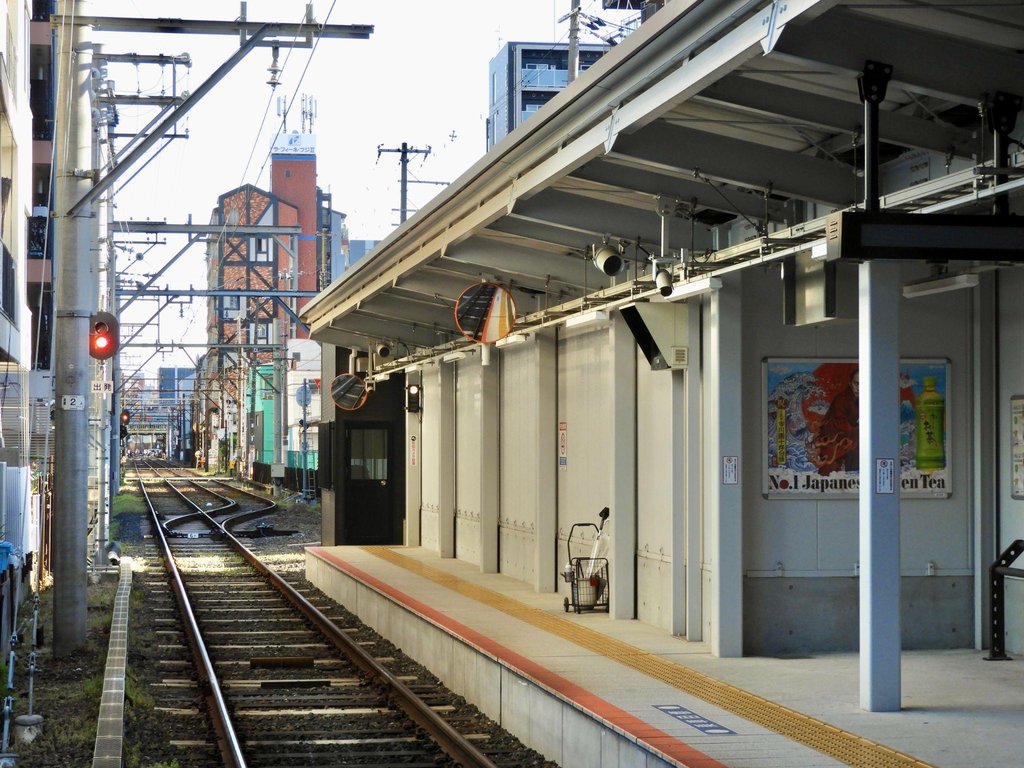
Thinking about visiting Shinsekai but wondering if it’s really safe? Many people want to visit Shinsekai but find themselves pondering this very question. In this guide, we will explain the reasons behind Shinsekai’s dubious reputation, its current safety status, and key tips for ensuring a worry-free trip.
Using the information you glean here, you’ll be able to plan your sightseeing trip without any worries and fully immerse yourself in Osaka’s old-school charm.
Why Shinsekai is Sometimes Called “Dangerous”
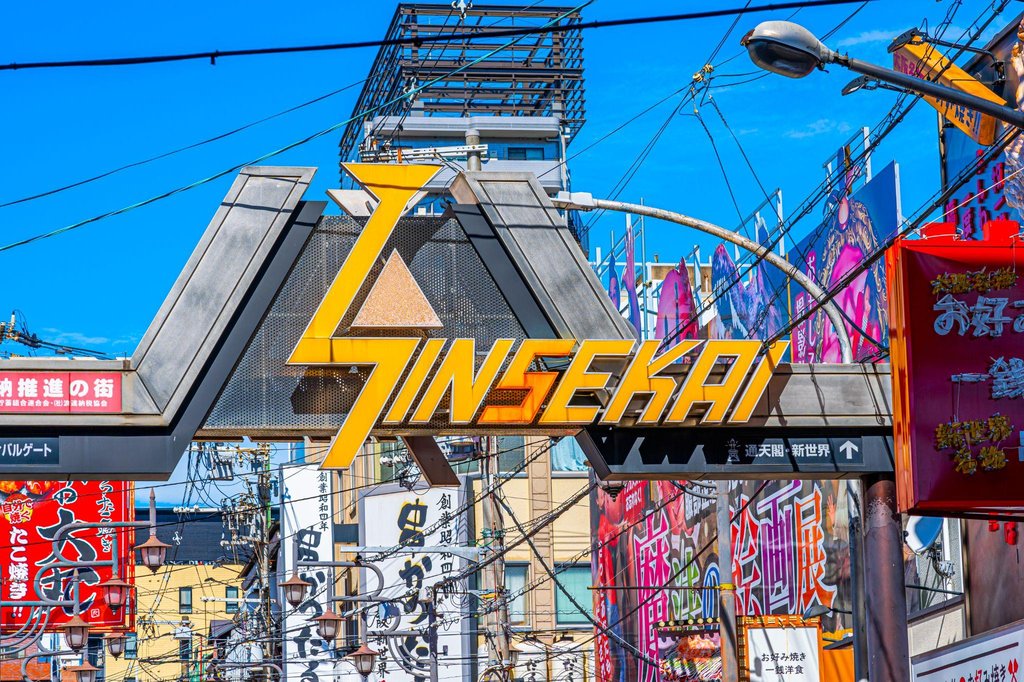
Shinsekai’s “dangerous” image developed due to historical reasons and frequent confusion with nearby (somewhat shady) areas.
Shinsekai is a historic tourist area that opened in 1912. After World War II, it became a workers’ district lined with amusement halls, and the image from that era lives on today, fueling its reputation as unsafe.
Another contributing factor to this stereotype has to do with Shinseki often being confused with non-tourist areas that are located very close to it.
However, central Shinsekai (around Tsutenkaku Tower and Janjan Yokocho, a covered shopping arcade) has been developed as a tourist area: it’s lively with travelers and locals alike, and boasts a bright atmosphere.
Today’s Shinsekai is Safe to Enjoy Day and Night
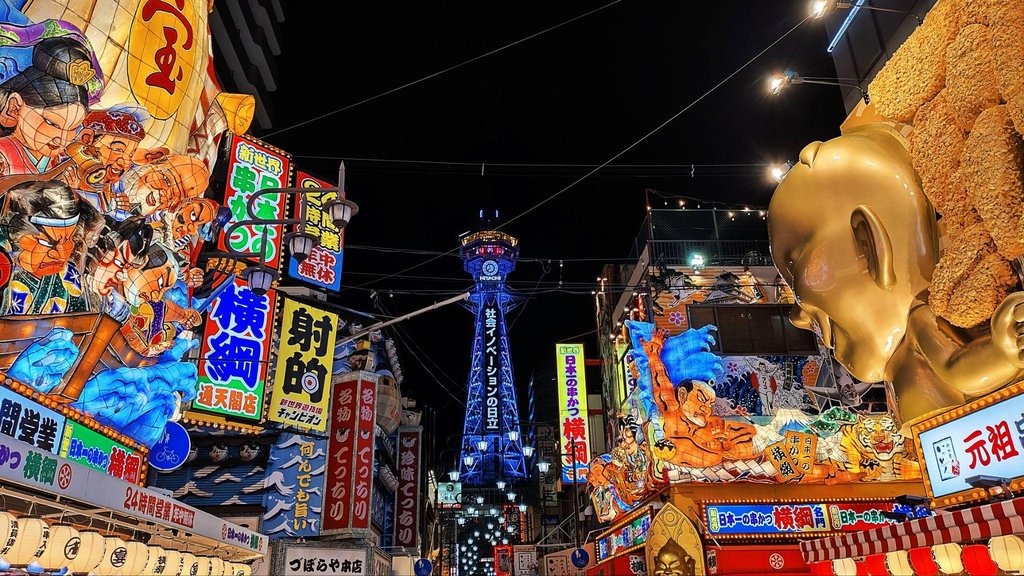
Today, Shinsekai is a safe area bustling with tourists. On Saturdays, over 90,000 visitors frequent the area, and even on weekdays, 80% of visitors are overseas travelers. It’s become a truly international destination, and Osaka City is committed to creating a safe and comfortable urban environment here.
Nighttime is safe too. Below Tsutenkaku Tower is a 24-hour pharmacy, and even late at night people are still out and about, so you can walk around comfortably. Crime rates in Osaka have dropped significantly, and police have stepped up security patrols in Shinsekai. Within the tourist district, even solo female travelers can explore safely.
Some Areas Near Shinsekai Require Caution
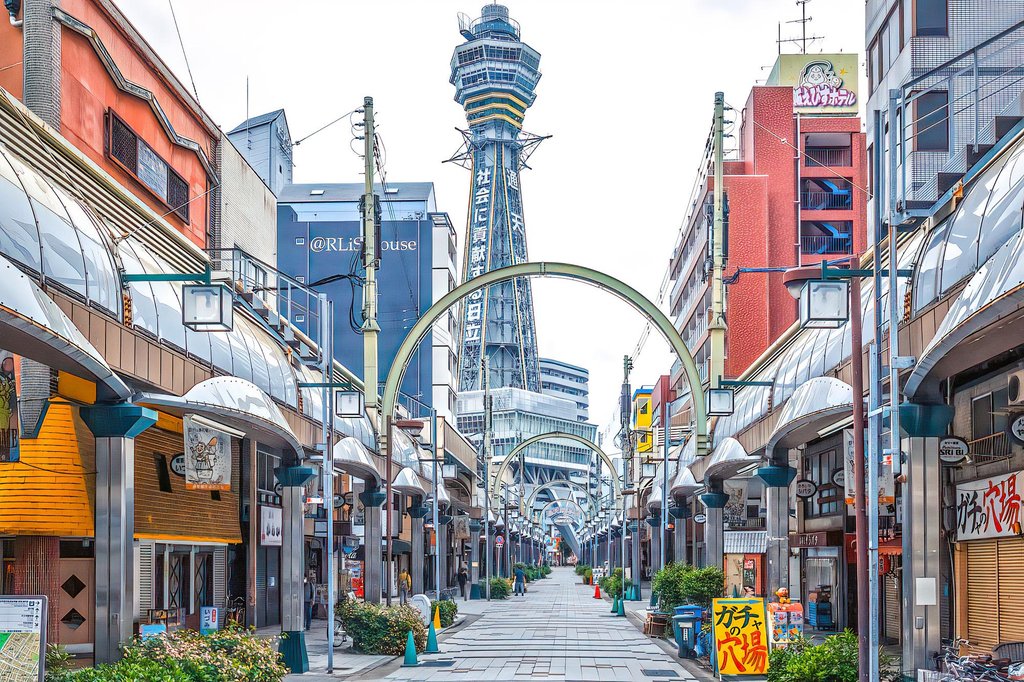
While Shinsekai’s tourist area itself is safe, some of the surrounding areas require caution.
Northwest of Shinsekai lies Nishinari Ward (the Airin District). This area is lined with simple lodgings for day laborers, and you may encounter homeless individuals or intoxicated people here. The vibe here is very different from the tourist areas.
To the southeast is Tobita Shinchi, an adult entertainment district—not a place for sightseeing.
The area south of Shinsekai, beyond Ebisucho Station, also sees reduced foot traffic at night and requires precautions.
The tourist area, on the other hand, is lined with kushikatsu restaurants and souvenir shops and is packed with visitors, so you’ll immediately notice the difference between the districts. By sticking to the main streets around Tsutenkaku and Janjan Yokocho, you won’t accidentally wander into those worrying areas.
Tips for Safely Enjoying Shinsekai
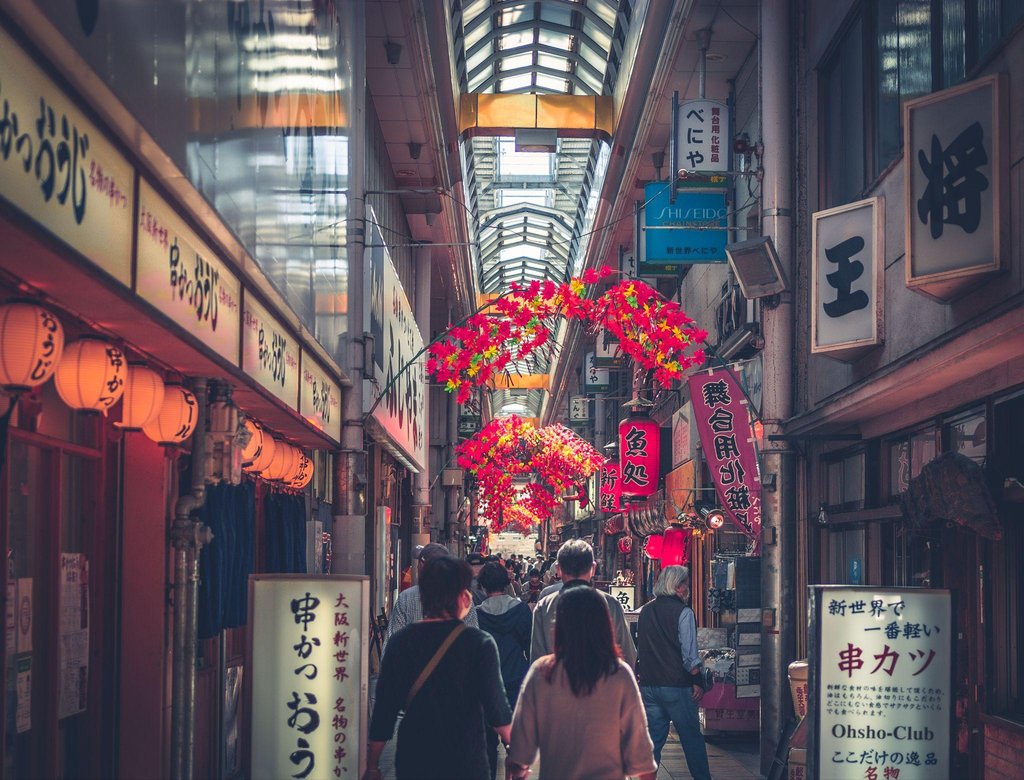
Keep these points in mind in order to enjoy Shinsekai worry-free.
First, be thorough about managing your valuables. Pickpocketing can happen on crowded streets, so keep your wallet and phone in a front pocket or in a bag that has a zipper.
It also helps to know where the tourist areas end. Northwest of Shinsekai, beyond Imamiya Ebisu-dori, is Nishinari Ward (and should be avoided). Avoid entering back alleys outside the tourist areas or in quiet areas south of Ebisucho Station at night.
Planning to visit Shinsekai at night? You’ll be fine: the main streets around Tsutenkaku Tower have heavy foot traffic and a 24-hour pharmacy, making them relatively safe even late at night. We recommend you stick to bright, lively streets and avoid dark alleys, however.
Solo female travelers should have no need to worry during busy hours. But if you feel concerned, visiting during daytime or early evening hours allows for more relaxed enjoyment.
Keep these tips in mind, and you’ll have a great time in Shinsekai.
What is Shinsekai? History, Vibe, and How to Get There
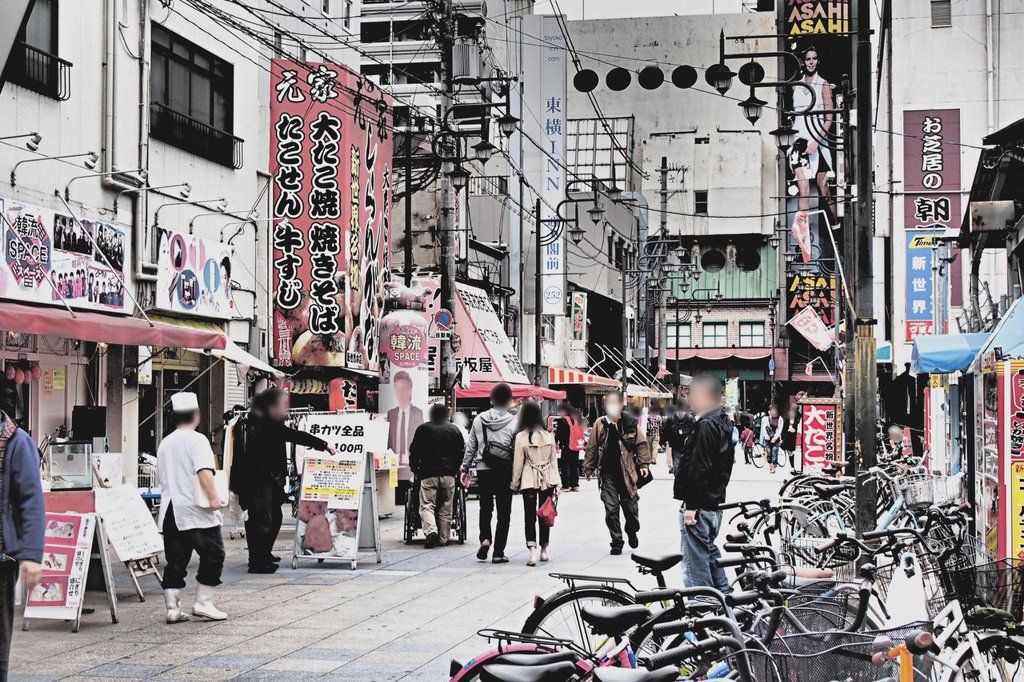
So exactly what kind of place is Shinsekai? Here we’ll cover the history and characteristics of the area, as well as how to get there. With this information in mind, your vacation plans in Shinsekai are sure to go smoothly.
A Hidden Gem With Old-School Vibes
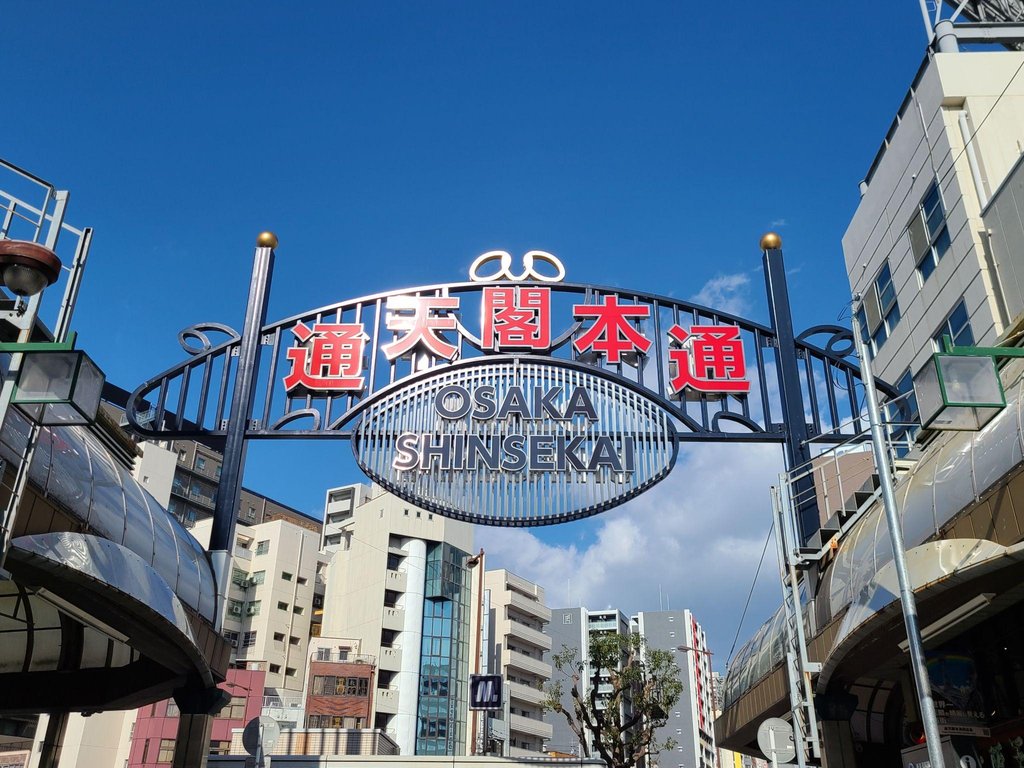
Shinsekai opened in 1912 on the former site of the 5th National Industrial Exhibition. Tsutenkaku Tower and Luna Park amusement park launched at the same time, transforming the area into a major entertainment district.
Luna Park has since closed, but Shinsekai still retains shopping streets and retro-style signage that recreate the atmosphere of Showa-era (mid-twentieth century) Japan. Janjan Yokocho is a great spot where you can take in the sights and sounds of an old-fashioned Japanese-style shopping arcade.
Unlike heavily commercialized tourist spots, travelers love seeing the everyday local life here that hasn’t been polished or changed for tourists.
Tsutenkaku Tower is Shinsekai’s landmark symbol, and has an observation deck offering panoramic views of Osaka. At night, the tower lights up in ever-changing colors against the night sky.
Access to Shinsekai From Major Airports and Train Stations
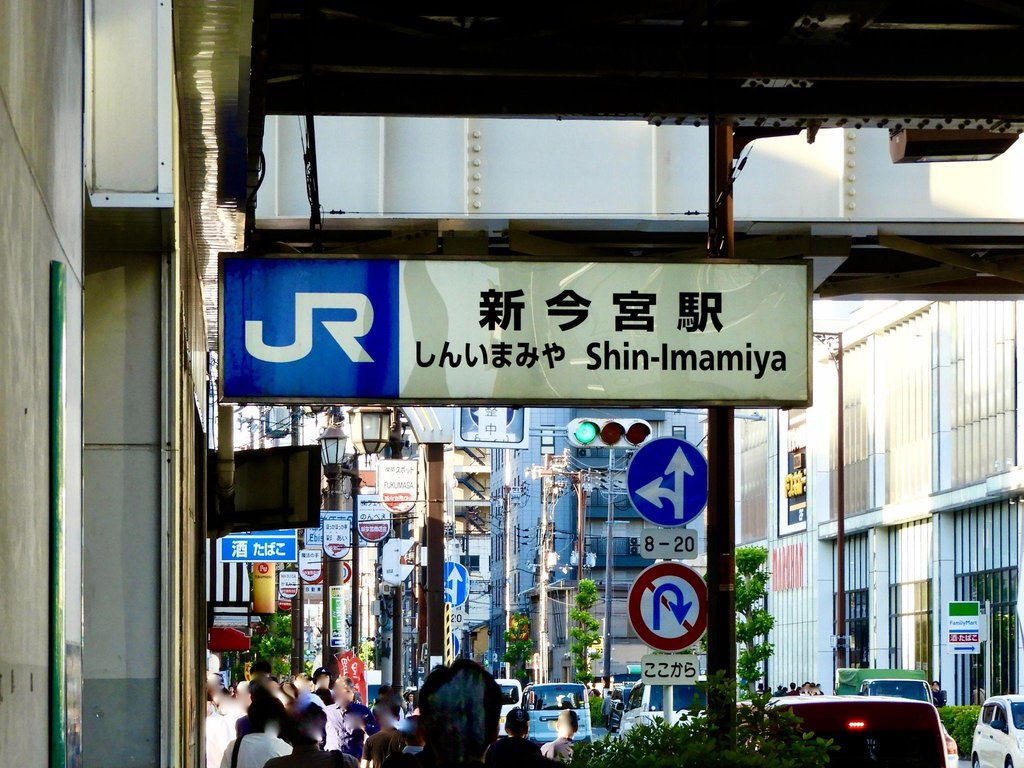
The nearest stations to Shinsekai are Ebisucho Station (Osaka Metro Sakaisuji Line), Shin-Imamiya Station (JR and Osaka Metro Midosuji Line), and Dobutsuen-mae Station (Osaka Metro Midosuji Line). All are within walking distance of Tsutenkaku Tower and Janjan Yokocho.
Routes from major airports and train stations are as follows:
| Departure Point | Route | Travel Time |
|---|---|---|
| Kansai International Airport | Nankai Railway Limited Express Rapi:t → Namba Station → Osaka Metro Sakaisuji Line → Ebisucho Station | Approx. 50–60 min |
| Kansai International Airport | Nankai Railway Airport Express → Namba Station → JR Yamatoji Line → Shin-Imamiya Station | Approx. 50–60 min |
| Osaka International Airport (Itami) | Limousine Bus → Namba (OCAT) → Osaka Metro Midosuji Line → Dobutsuen-mae Station | Approx. 30–40 min |
| JR Osaka Station | JR Loop Line → Shin-Imamiya Station | Approx. 15 min |
| JR Namba Station | JR Yamatoji Line → Shin-Imamiya Station | Approx. 5 min |
Search for “Ebisucho Station” or “Shin-Imamiya Station” in your smartphone’s map app to check how to get there.
Who is Shinsekai Recommended For?
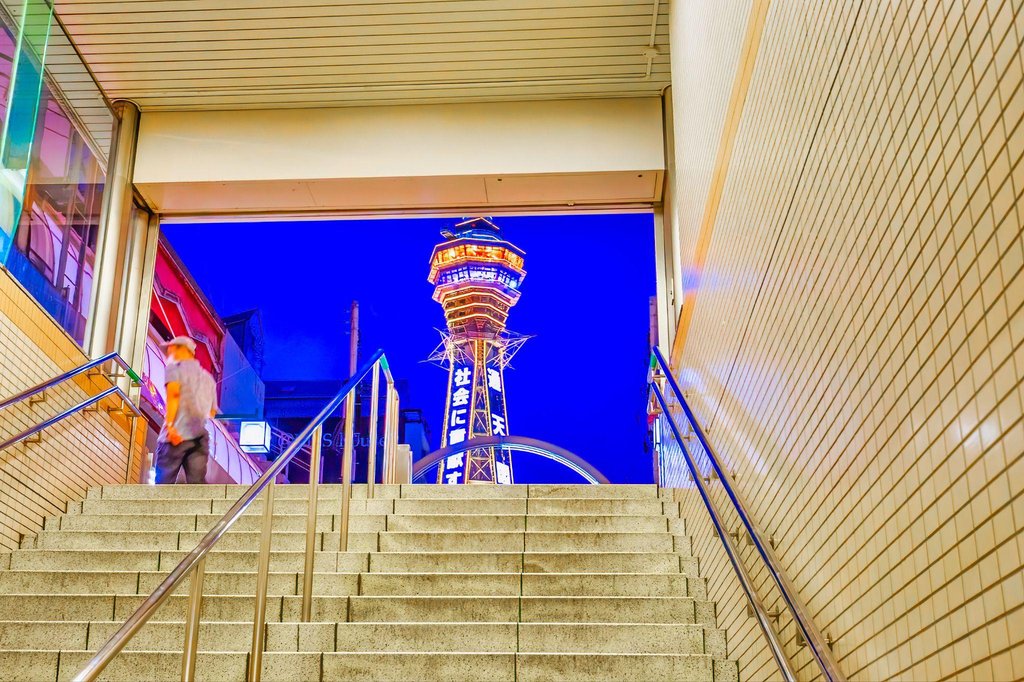
Shinsekai is recommended for those who want to experience an Osaka that hasn’t been overly commercialized for tourists.
It’s perfect if you love Japanese retro Showa-era vibes. With over 100 years of history, the Tsutenkaku and Janjan Yokocho areas retain the character of Downtown Osaka, complete with nostalgic signage and shopping arcade aesthetics that are highly photogenic.
It’s also great for those who want to indulge in B-kyu gurume: casual Japanese comfort food. Shinsekai is known as the birthplace of kushikatsu (deep-fried meat and vegetable skewers), with many shops offering skewers from just ¥100 (about $0.64 USD or €0.54), making casual strolling while enjoying street food incredibly affordable.
This is also an appealing area for travelers who want to experience local Japanese culture. While walking through old shopping streets that haven’t been overly “touristified”—where local people’s daily routines remain intact—you’ll encounter the real Osaka that doesn’t appear in guidebooks.
Some travellers may be concerned about Shinsekai’s “dangerous” image, but the area has been developed as a tourist district and you can visit with confidence if you keep basic safety precautions in mind. If you’re adventurous but still want to feel safe, this is your spot.
Things to Do in Shinsekai
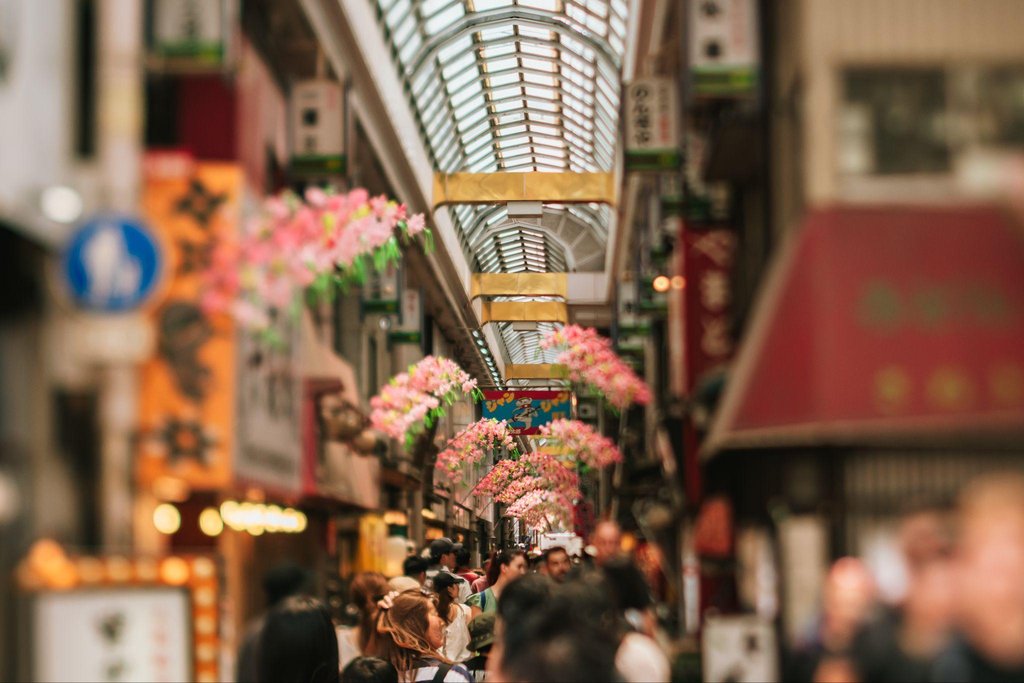
So you’re headed to Shinsekai, but what can you actually do there? In this section, we’ll guide you through the major highlights and must-see places, including kushikatsu cuisine and Tsutenkaku Tower. If you’re looking for a fulfilling trip to this old-school neighbourhood, we’ve got the information you need right here.
Eat Like a Local: Kushikatsu and Street Food
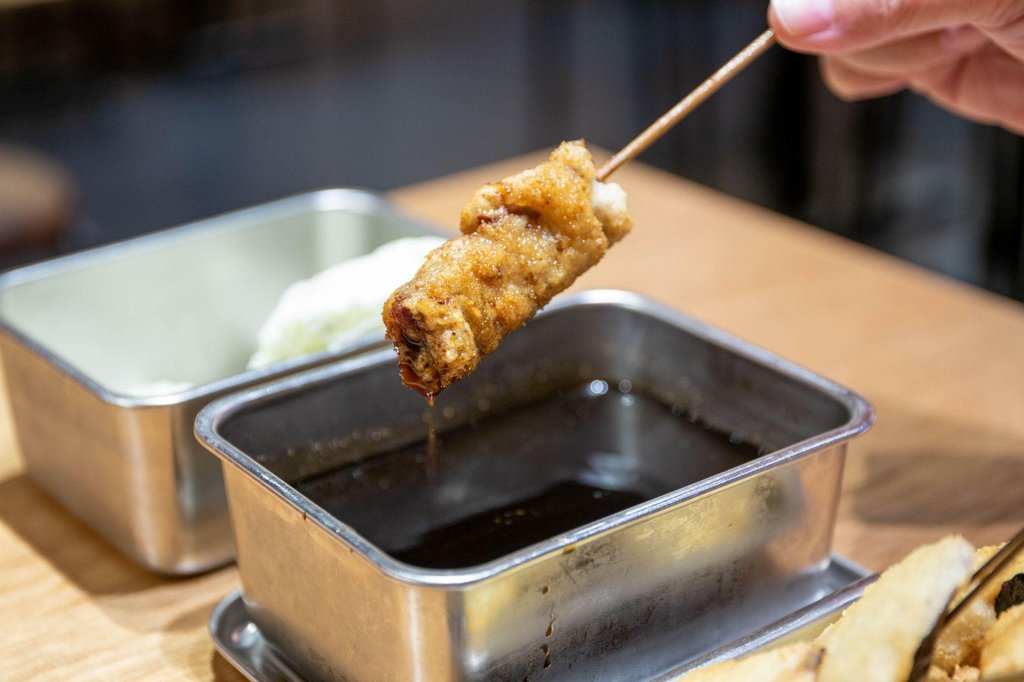
When visiting Shinsekai, be sure to try kushikatsu: skewered meat and vegetables that are battered and deep-fried, and a famous Japanese food. Shinsekai is known as the birthplace of this dish.
When ordering kushikatsu, be sure to ask for moriawase (an assorted platter of various types of kushikatsu) to ensure you get a taste of the classic variations—such as beef, pork, onion, and asparagus—all at once.
There’s one rule you need to know: double-dipping your skewer in the communal sauce bowl isn’t allowed (also known in Japanese as nido-zuke kinshi). Restaurants have shared sauce containers into which diners dip their skewers before taking their first bite, and dipping a skewer back into the sauce after taking a bite is prohibited for sanitary reasons. If you want more sauce on your skewer, the common method is to use the cabbage provided with your skewer to scoop it up and load it on your remaining meat.
Besides kushikatsu, you can enjoy local Osaka favorites like takoyaki (round, battered balls filled with octopus pieces) and dote-yaki (beef tendon simmered in miso). At Janjan Yokocho, you can enjoy food while walking amid the lively atmosphere—interactions with the locals here is part of the charm.
Bar Hopping in Shinsekai
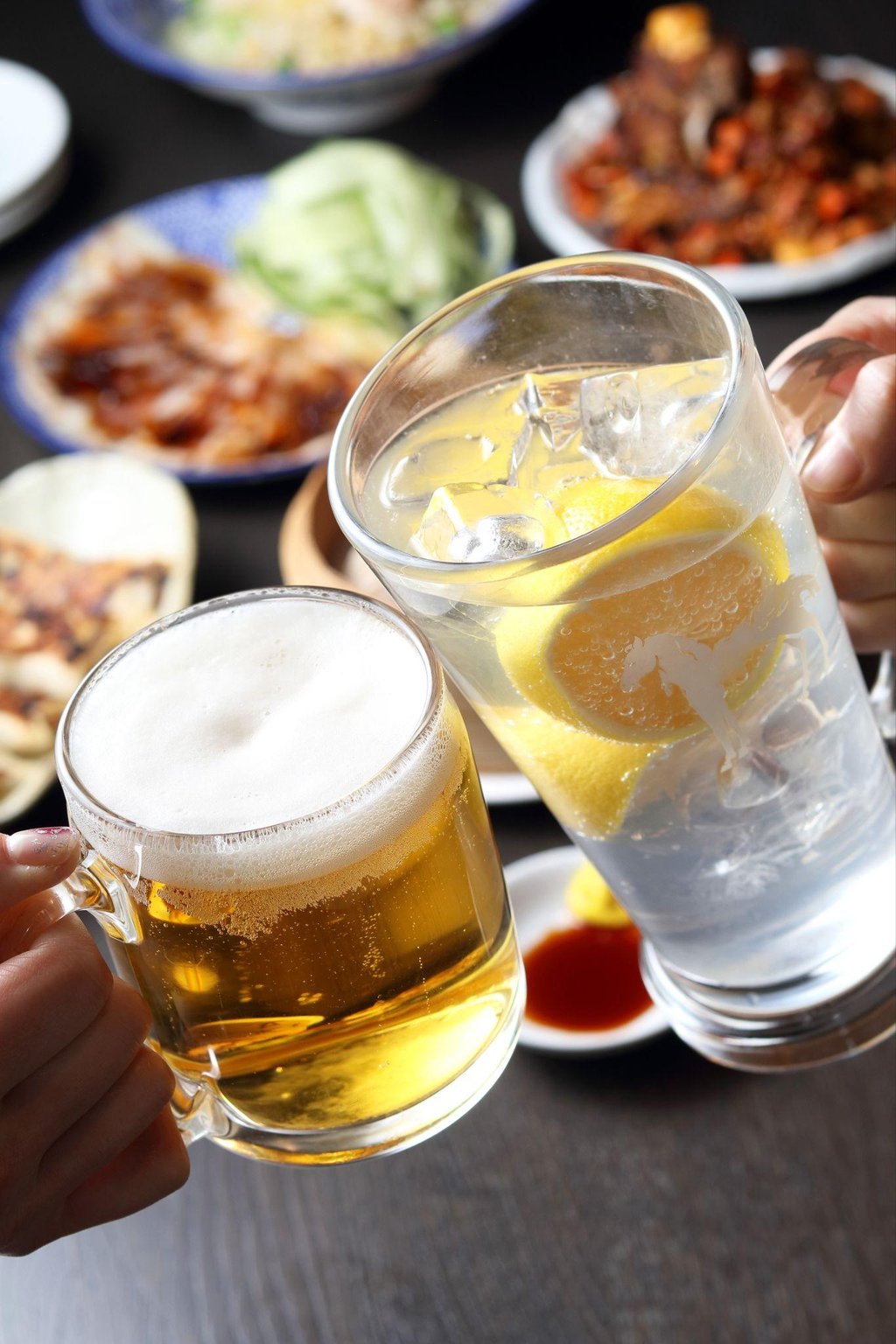
Shinsekai is dotted with distinctive standing bars (bars without stools or seats) and pubs, making bar hopping an opportunity to interact with the locals and a popular activity.
Around Janjan Yokocho, you’ll find establishments offering horumon (beef or pork offal dishes) in standing-bar style, as well as casual standing bars. Few places have English menus, but communicating your order via pointing and gestures can lead to warm exchanges with shop owners and regulars.
Bar hopping is recommended in the evening, between 6 and 9 pm. During these hours, there’s plenty of foot traffic and you can enjoy the nightlife safely. After 10 pm, we recommend avoiding the area south of the station so as to preserve peace of mind.
When enjoying bar hopping, keep the following in mind:
- Choose establishments along bright, busy streets: shops along the main streets are safe choices.
- Avoid excessive drinking and be considerate of others: enjoying sake in moderation leads to more positive interactions with locals.
- Keep valuables on your person and don’t take your eyes off your belongings: in crowded establishments, holding your bag in front of your body provides better security.
By keeping these points in mind, you can safely experience Osaka’s nighttime culture while also savoring the local atmosphere.
Retro Arcade Centers, Games, and Street Photography
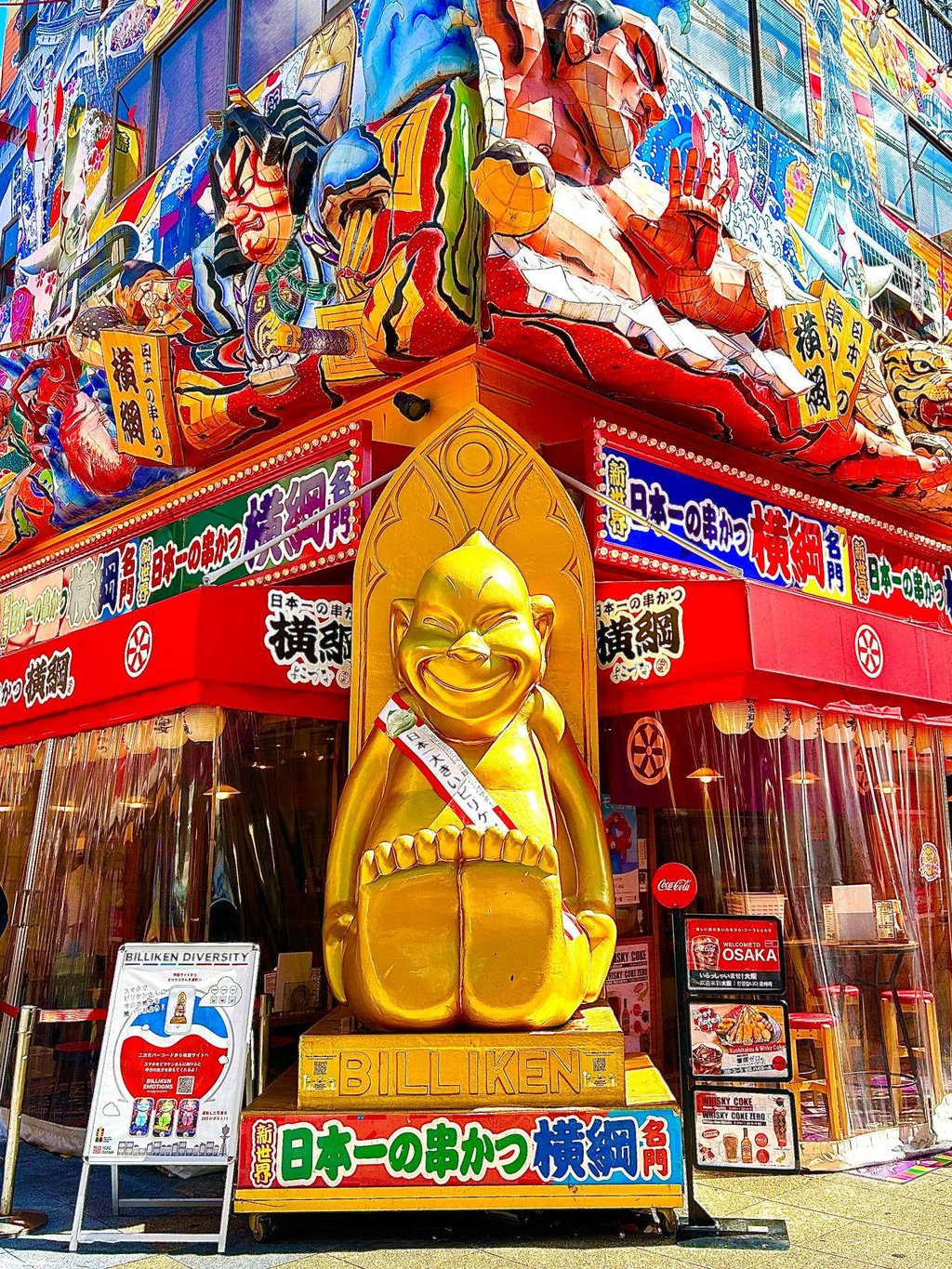
In Shinsekai, you can enjoy experiences that make the most of the Showa-era, retro Japanese atmosphere.
Walking through the streets, you’ll find old-school game centers and shateki (shooting galleries where you aim at targets to win prizes)—old-fashioned amusements that are still enjoyed today. You can experience ‘analog fun,’ a world apart from smartphone apps and digital games. Try these activities alongside the locals: even without Japanese language skill, you’d be surprised at how much can be communicated through shared smiles and laughter.
Simply walking the streets is itself a worthy activity. Giant Billiken (the area’s god of fortune) statues, distinctive signage, colorful street art—Shinsekai’s streetscape is like an outdoor museum. You’ll find photo spots everywhere, with Tsutenkaku Tower making a great backdrop.
Check out Sumo Studio Osaka for Hands-On Sumo in Shinsekai
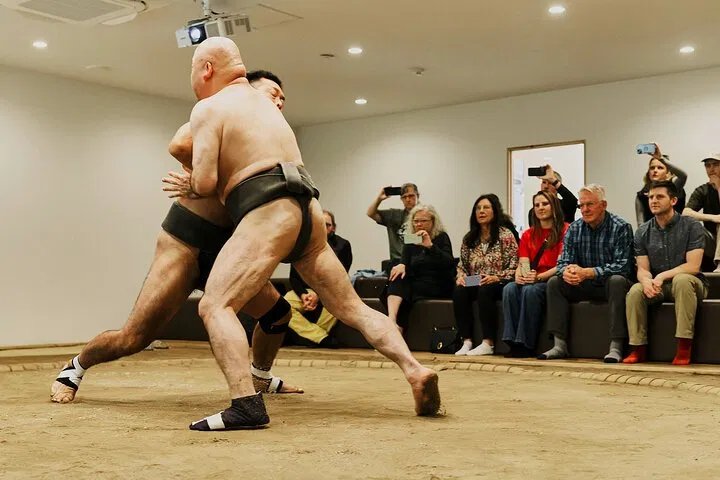
In Shinsekai, you can experience sumo (Japan’s national sport) at Sumo Studio Osaka.
Here, you can wear the same gear that actual sumo wrestlers use, step into the ring (dohyo), and learn basic moves like shiko (ritualistic leg stomping) and proper stances from sumo wrestling pros.
Watching real matches performed by retired sumo wrestlers right in front of your eyes is another highlight. During the show, sumo’s history and customs are explained in a fun, easy-to-follow way, and no prior knowledge is necessary. You can take photos too.
Facility details are as follows:
| Address | 1F Hanazonocho AI Building, 1-5-1 Asahi, Nishinari-ku, Osaka |
| Access | Directly connected to Hanazonocho Station Exit 4 (Osaka Metro Yotsubashi Line) |
| Hours | 10 am–9:30 pm (5 shows daily) |
| Official Website | https://sumowrestlingshow.jp/ |
For reservations, book ahead through the official website. English support is also available, so you can schedule your visit with confidence.
Tsutenkaku Tower and Photo Spots
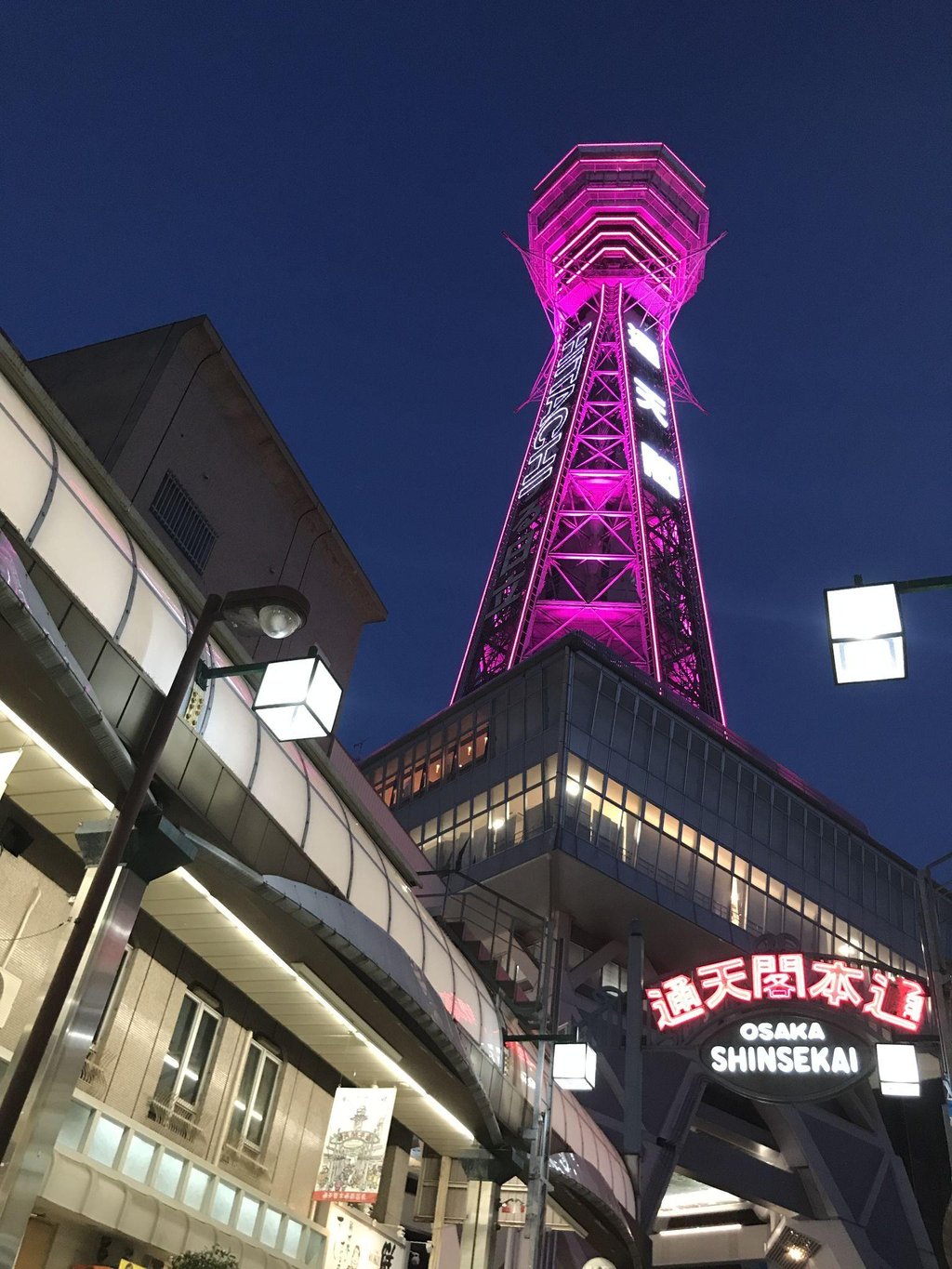
Tsutenkaku, the symbol of Shinsekai, is a giant tower that was reconstructed in 1956 after the original 1912 structure was lost to fire in 1943. From the 103-meter-high (338 feet) observation deck, you can survey Osaka’s cityscape and, on clear days, see as far as Awaji Island and Wakayama.
The Billiken statue on the observation deck of the tower dates back to 1912. Its design is based on a figure an American artist saw in a dream in 1908. The local custom claims that if you scratch his feet and laugh your wish will come true, and he is beloved in this area as a god of good fortune.
Around Tsutenkaku Tower, giant signboards and retro, mid-twentieth-century-era buildings line the streets, providing numerous opportunities for great photos. The entrance to Janjan Yokocho and the flashy, decorated fronts of kushikatsu restaurants are perfect candidates for social media posts.
The entire neighborhood has a theme park–like atmosphere, so simply wandering around without a specific destination is enjoyable in itself.
Common Questions About Shinsekai
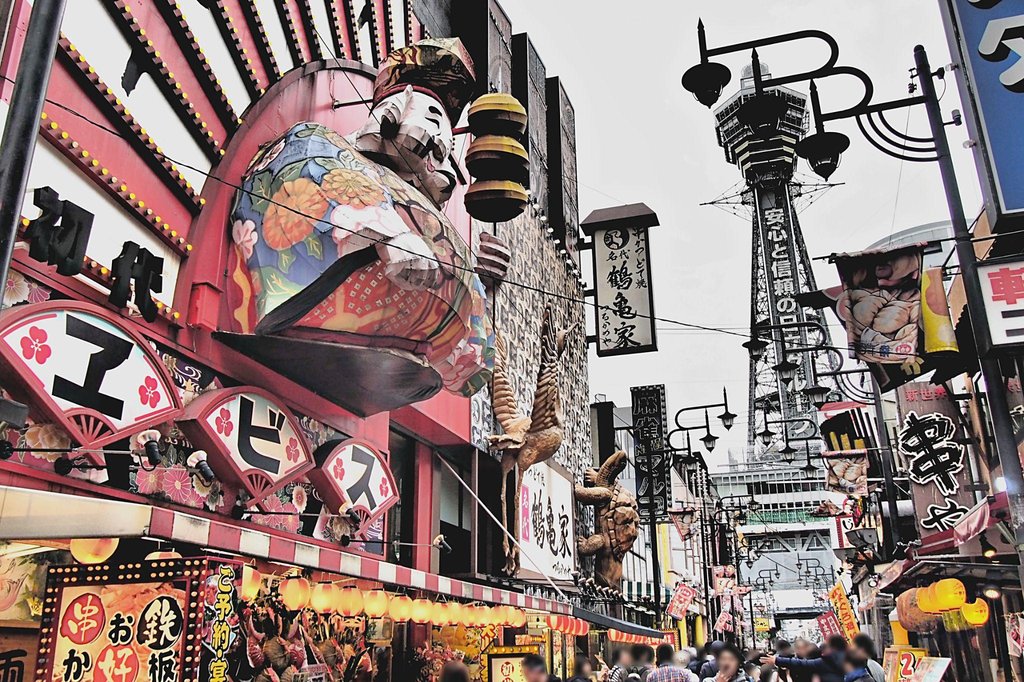
Got questions before you go? We’ve got answers to some of the most common queries here, so make sure to glance at this section before visiting Shinsekai.
Is Shinsekai Safe for Solo Female Travelers?
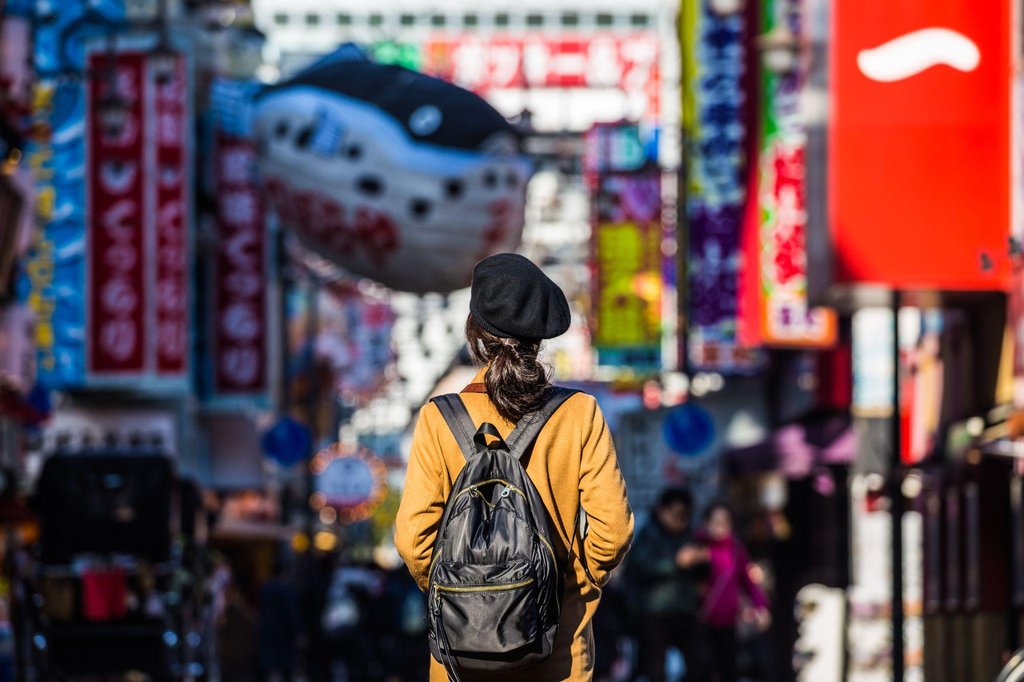
Yes—solo female travelers explore Shinsekai every day without issues. During the day, the area bustles with travelers and locals, and main areas (such as those around Tsutenkaku Tower and Janjan Yokocho) are lively with heavy foot traffic, allowing problem-free exploration. Many people enjoy kushikatsu restaurants and shopping alone.
However, caution is needed at night. After 10 pm, foot traffic decreases, so stick to the main streets and avoid staying out too late.
With basic precautions in mind, solo female travelers can fully enjoy Shinsekai’s charms without worry.
Is Shinsekai Safe for Families With Children?
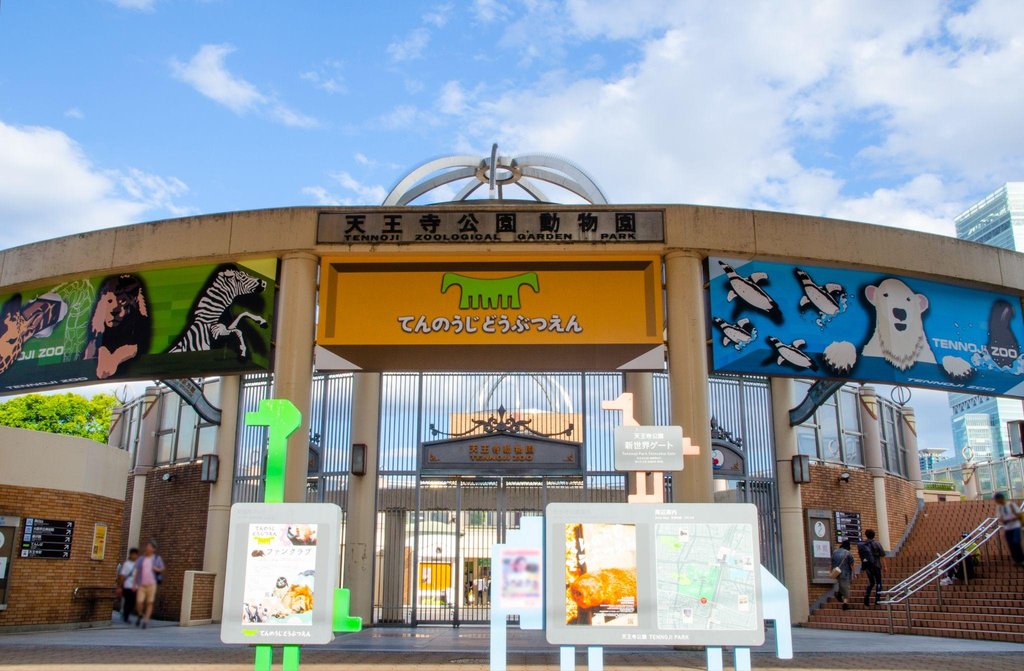
Absolutely—families with kids visit Shinsekai all the time. Child-friendly spots like Tsutenkaku Tower and Tennoji Zoo are concentrated here, and the area bustles with travelers during the day, allowing for care-free exploration.
Tsutenkaku Tower is open from 10 am to 8 pm, and offers children’s admission rates.
There are some points to note, however. Shinsekai’s shopping streets have many old buildings and narrow passages in some places, so navigating with a stroller may feel somewhat burdensome. Also, many restaurants—including kushikatsu joints—are designed in the izakaya (Japanese pub) style, taking on a distinctly adult atmosphere during late evening hours.
When visiting with children, daytime through to the early evening hours are recommended for sightseeing. Around Tsutenkaku, there are hands-on amusements like shooting galleries and archery ranges, so children won’t get bored.
Tennoji Park Tenshiba is open from 7 am to 10 pm, and serves as a convenient rest spot. You’ll find diaper-changing facilities in places like the women’s restroom at Tsutenkaku Tower.
Is Shinsekai Safe at Night?
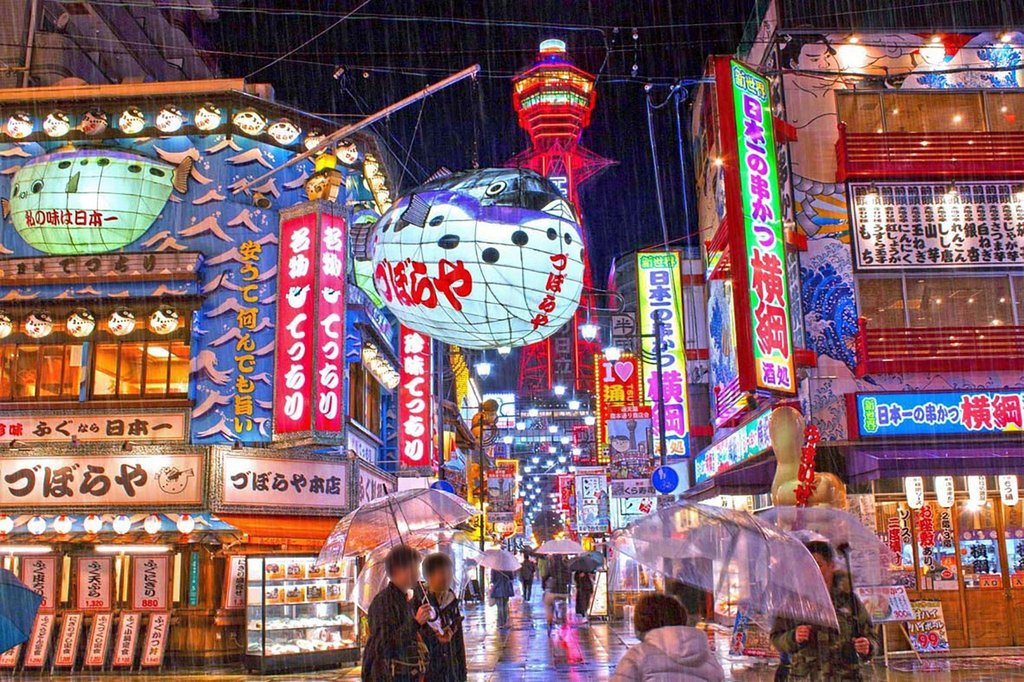
Yes, Shinsekai’s tourist area is safe at night. The illuminated Tsutenkaku Tower and lively Janjan Yokocho—where the smell of frying kushikatsu fills the air—remain packed with visitors even after dark. The sight of neon-lit signage offers a different kind of charm from daytime Shinsekai.
Foot traffic decreases after 10 pm, however, so seeing the sights during the earlier hours is recommended. Stick to the main streets around Tsutenkaku Tower and avoid back alleys and areas south of the station.
Visiting as a group can be more reassuring, but visiting Shinsekai solo should present no problems as long as you stick to the main areas. Enjoying the taste of authentic kushikatsu among the lively nighttime vibe makes for a great evening out—just make sure to observe the safety precautions noted here.
Can I Enjoy Shinsekai in One Day?
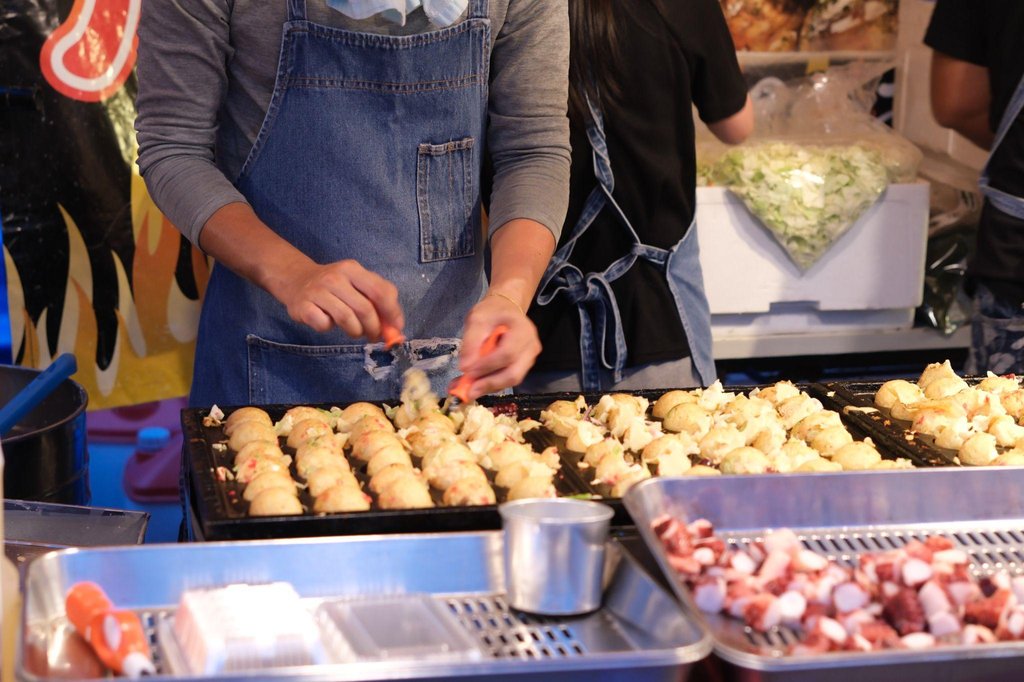
You can easily see Shinsekai in a single day, although how much time you’ll need will vary depending on your sightseeing goals.
Touring Tsutenkaku and Janjan Yokocho takes just 2–3 hours. If you simply want to taste kushikatsu, check out Billiken, and stroll the old-school streets, you can cover the main spots in about 1 hour.
For a leisurely half-day, we recommend a 3–5 hour course that includes nearby Tennoji Zoo and the large spa facility, Spa World.
Here’s a sample itinerary: start the morning by viewing the diorama exhibits and visiting Billiken at Tsutenkaku Tower, followed by kushikatsu and takoyaki for lunch as you stroll the streets, then spend the afternoon walking through Janjan Yokocho and taking pictures of the this retro-style part of town.
Wait times at Tsutenkaku Tower can be long on weekends and holidays, so we recommend visiting on weekdays or in the early hours of the day for smoother touring.
Shinsekai is a compact area, making it easy to combine with other Osaka sightseeing—another of its appeals.
Is Shinsekai Worth Visiting?
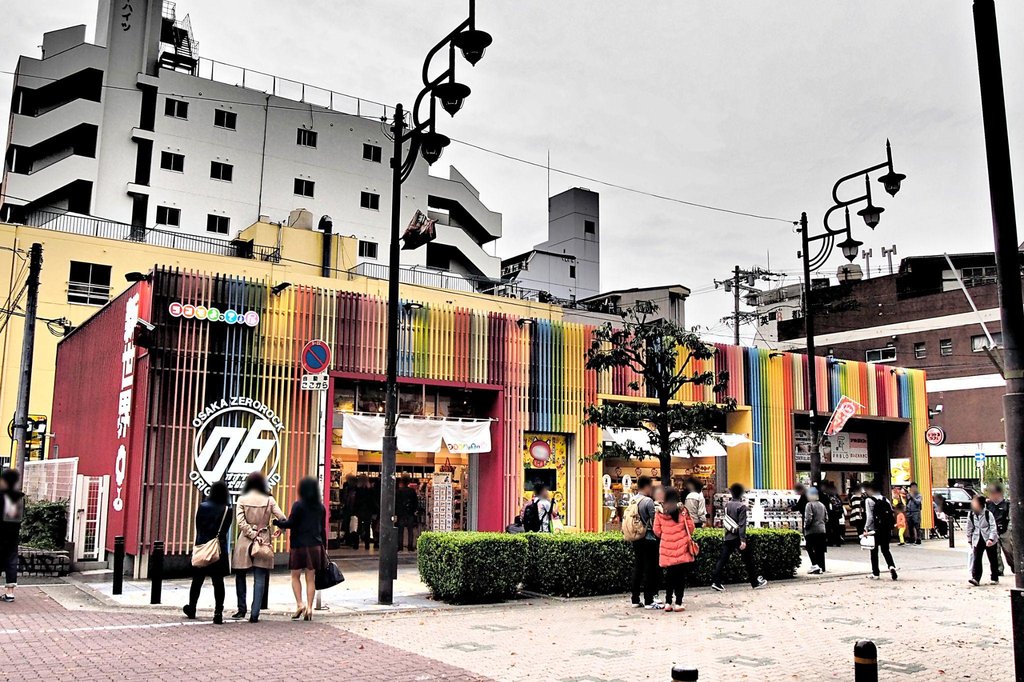
Shinsekai is unlike anywhere else in Japan. Streets lined with retro signage, lively kushikatsu restaurants, Janjan Yokocho with its iconic Showa-era atmosphere— only here can you experience a ‘local Osaka’ that can’t be found anywhere else. The unique atmosphere that radiates from and around Tsutenkaku Tower has made Shinsekai popular throughout Japan as a destination full of “Instagrammable” photo spots.
The taste of genuine kushikatsu and its corresponding food culture in this historic, Meiji-era entertainment district—and enjoying a local spot that other travelers often avoid—is sure to become a treasured travel memory. This is where you can experience genuine Osaka.
Ready to Explore Shinsekai?
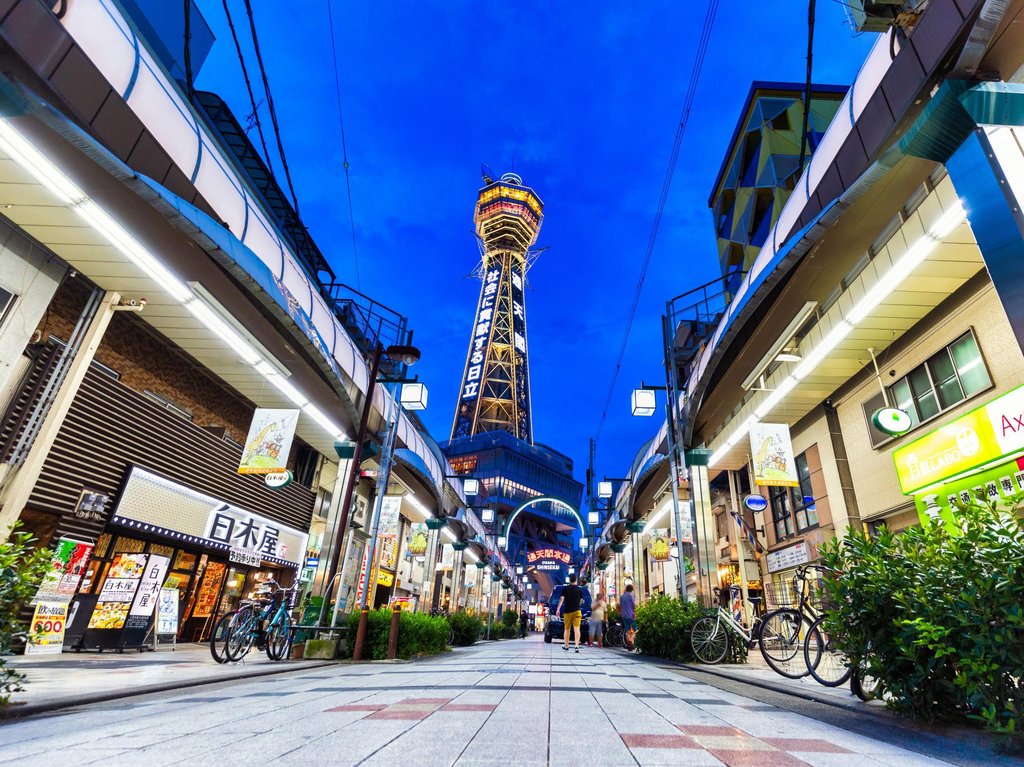
Shinsekai is a charming tourist destination that can be enjoyed safely as long as you follow basic etiquette. Its “dangerous” reputation comes from confusion with the nearby Nishinari area and lingering stereotypes from years long past.
Nowadays, the Shinsekai Neighborhood Association runs regular security patrols, and police officers make rounds too. There is even a 24-hour multilingual hotline for international tourists (050-3816-2787) that is available in case of emergencies, for your peace of mind.
By sticking to the tourist areas, avoiding walking alone late at night, and properly managing valuables, you can fully enjoy kushikatsu cuisine and the retro streetscapes of this exciting district.
Be sure to visit Shinsekai and experience the local charm of Osaka for yourself!