What to Wear to Sumo: Dress Code & Style Guide for International Visitors
Heading to your first sumo match and wondering what to wear? You’re not alone—it’s one of the most common questions visitors ask.
Here’s the good news: there’s no dress code. Sumo is Japan’s national sport and feels formal, but you can wear whatever you like. That said, your ideal outfit depends on where you’re sitting and when you visit, and some choices work better than others.
Below, you’ll find everything you need: basic guidelines, seasonal tips, seat-specific advice, a packing checklist, and some background on the mawashi, the belt sumo wrestlers wear.
Contents
What to Wear to Sumo: The Basics
Sumo Has No Strict Dress Code
The Japan Sumo Association confirms you can wear whatever you like. Kimono or casual Western clothes—either works perfectly.
The main thing? Pick something you’ll feel good in for several hours of sitting, then embrace the unique atmosphere of the arena while staying true to your own personal style.
Clothing to Avoid
Nothing’s officially banned, but some choices work better than others for the atmosphere and for your fellow spectators.
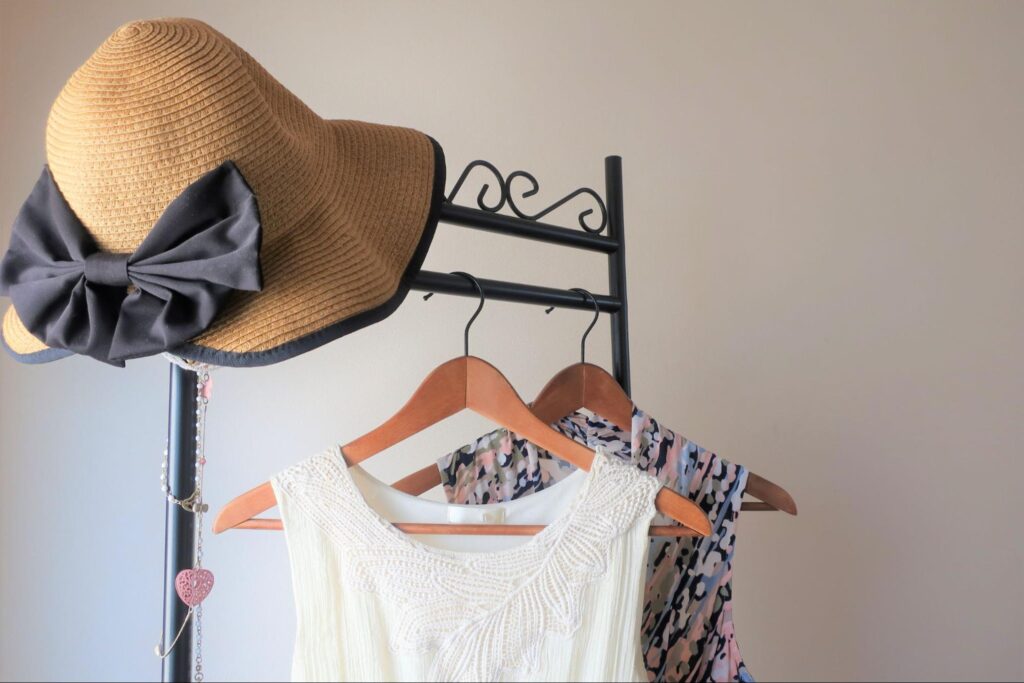
Avoid overly revealing clothing such as tank tops and miniskirts, which may feel out of place. Wide-brimmed hats or tall headwear obstruct the view for those seated behind you, so proper etiquette is to remove hats during viewing. Skinny jeans and other form-fitting garments make sitting difficult, especially in the box seats (or masu-seki). Leave the beachwear at the hotel.
Really, just use common sense and be considerate of others.
What to Wear to Sumo in Each Season
You can enjoy sumo year-round, but Japan’s four seasons definitely affect what you can wear comfortably.
Spring: Layer Up for Temperature Swings
Spring in Japan means big temperature swings—warm at midday, cool in the morning and evening—and the venue can feel quite different from outside.
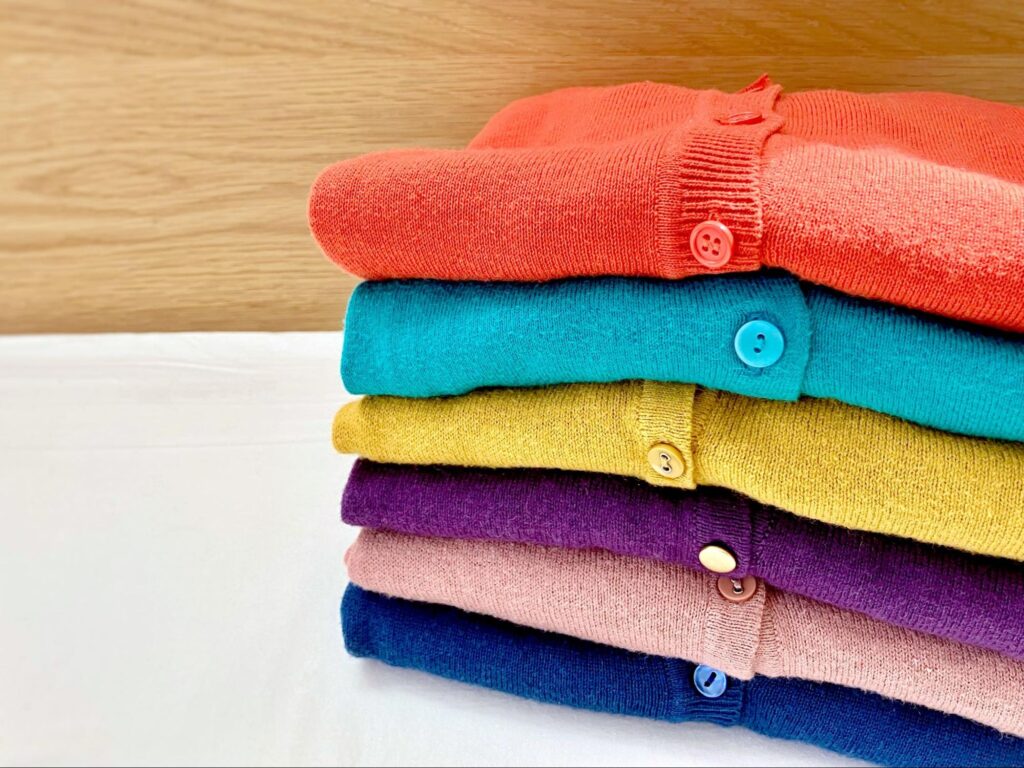
Choose layered clothing that allows you to adjust with the temperature. Start with a lightweight base, add a shirt or blouse, and top it off with a cardigan or light jacket.
This way, you can add or remove layers as needed throughout the day.
Summer: Choose Breathable Fabrics
Even with air conditioning, summer venues can get warm with all those bodies packed in.
Men should go for a breathable lightweight shirt with loose-fitting trousers. Women can try a blouse with loose wide-leg pants or a knee-length skirt for ease of movement.
Toss a light cardigan or stole in your bag in case the AC gets chilly.
Autumn: Bring a Light Layer
Autumn weather is lovely, but mornings and evenings can be cool and venues vary in temperature.
While daytime temperatures are pleasant, prepare for cool mornings and evenings. Pack something easy to throw on—a cardigan, jacket, or stole works well.
Keep it handy so you can pull it on whenever you feel a chill.
Winter: Dress for Easy Layering Against the Cold
In winter, you’ll deal with freezing temperatures outside and heated venues inside.
Tokyo’s Ryogoku Kokugikan sees lows around 2°C (35°F) in January and February. But once you’re inside, heavy layers can get too warm fast.
Go for layers that aren’t too bulky as you’ll be sitting and standing a lot. Pick a coat that folds flat so you can tuck it under your seat.
Dressing for Different Seat Types
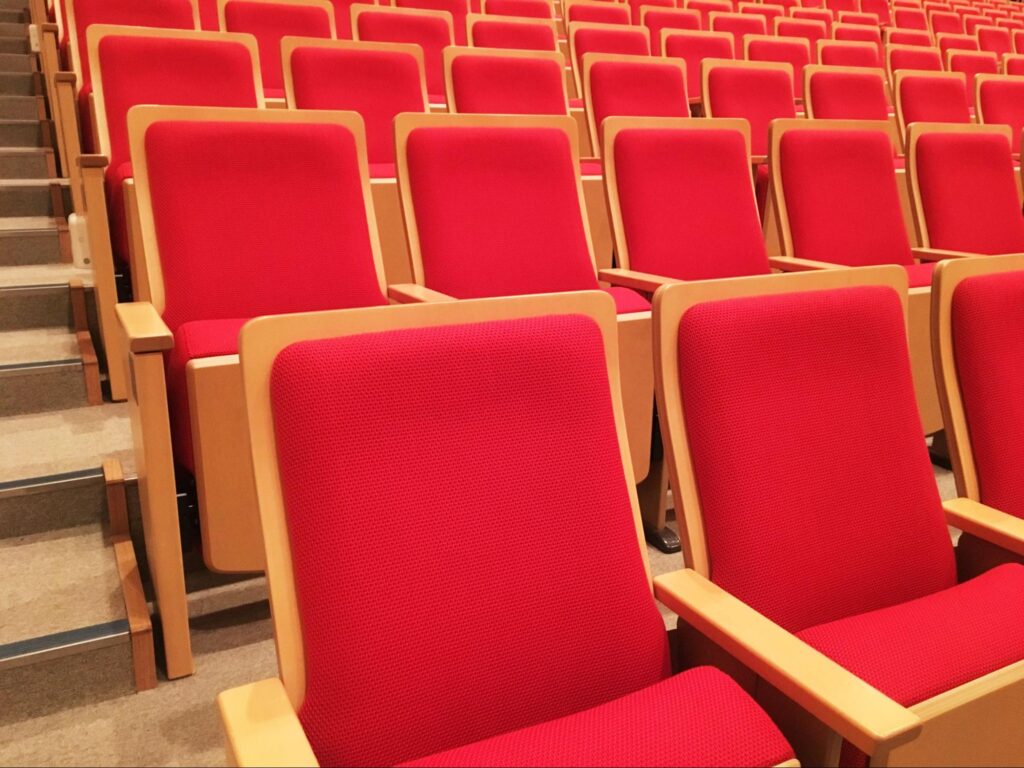
What you wear also depends on where you’re sitting. Ringside tamari-seki (floor seats), masu-seki (box seats), and standard chairs all call for different approaches.
Tamari-Seki: Attire Suited for Sitting on the Floor
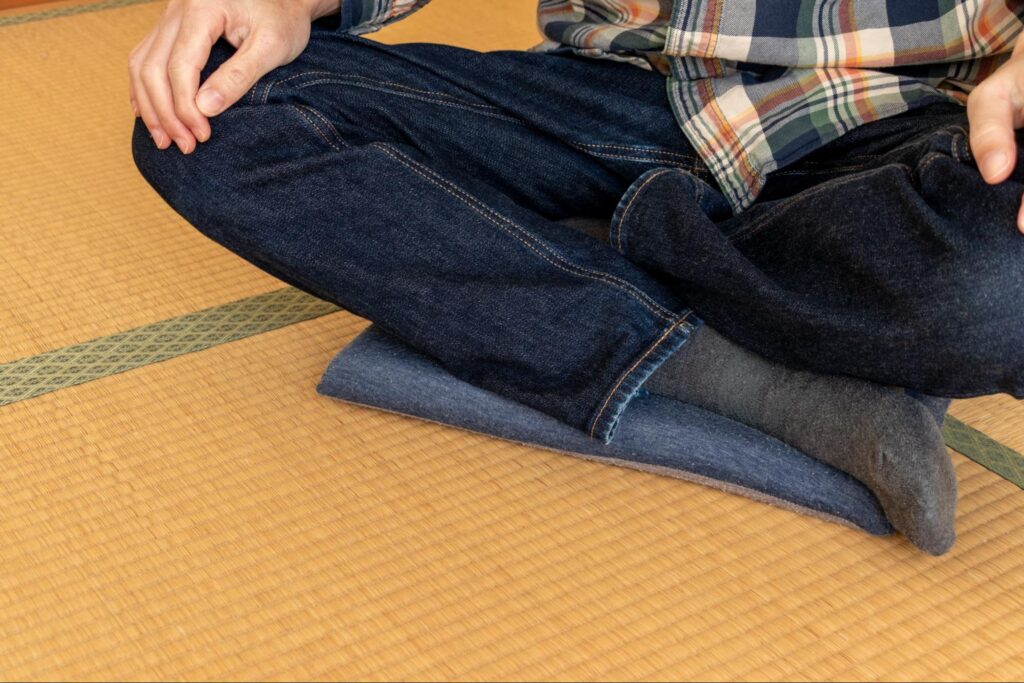
Tamari-seki puts you closest to the action—just meters from the the wrestlers.
You’ll sit on cushions, either in a kneeling or cross-legged position, for hours at a time. Choose clothing that doesn’t restrict movement, such as stretch pants or a flowing skirt.
The venue doesn’t allow floor chairs or extra cushions, so your clothing choice really matters here. Aim for something dignified but practical for a long day of sitting.
Masu-Seki: Stretchy Clothing and Slip-On Footwear
In the box seats, you’ll remove your shoes and share a cushioned box with three others.
You’ll be on these cushions for hours, so go for bottoms with plenty of stretch—wide-leg pants or a flowing skirt work well.
Avoid slim-fit pants and tight skirts as they make shifting positions difficult.
You’ll take your shoes on and off often, so opt for slip-ons.
Chair Seats: Casual Everyday Wear is Fine
Chair seats are exactly what they sound like: regular chairs. You don’t need to remove your shoes, and the chairs keep you comfortable for hours—perfect if you’re fitting sumo into a sightseeing day.
Casual everyday wear such as jeans, T-shirts, and sneakers is perfectly acceptable. Avoid high heels and large hats, however.
Your bag goes at your feet, so bring something compact to keep your space clear.
What to Bring to Sumo
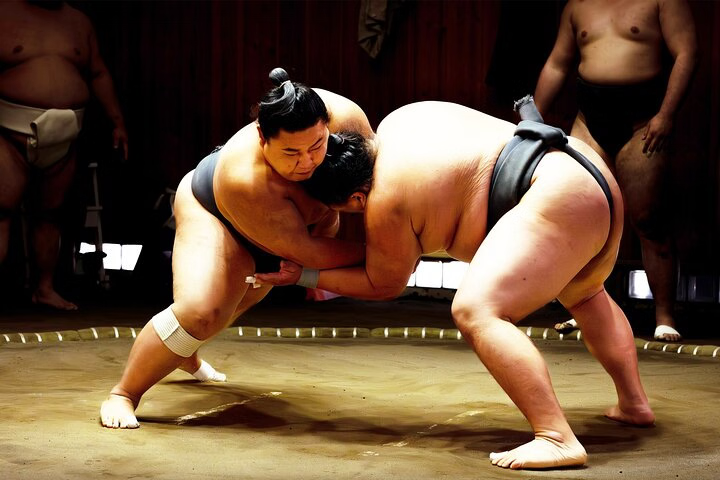
Packing the right items matters just as much as choosing the right outfit.
Essential Items
Whatever you do, don’t forget your ticket!
Got an e-ticket? Charge your phone and make sure the app works before you leave.
Bring ID too—they may check it against the ticket buyer’s name.
Get these things sorted the night before, and you’ll head out to the match stress-free.
Items That Enhance the Experience
A few extras can make your experience even better.
Binoculars are a game-changer if you’re sitting far back. From a distance, you’ll miss the wrestlers’ facial expressions and subtle moves without them. With a good pair, you’ll catch every thrilling moment.
A guidebook on sumo history, winning techniques (kimarite), and wrestler profiles helps fill the gaps between matches. The more you know, the more you’ll appreciate what you’re watching.
Experience Sumo During Off-Season at Sumo Studio Osaka
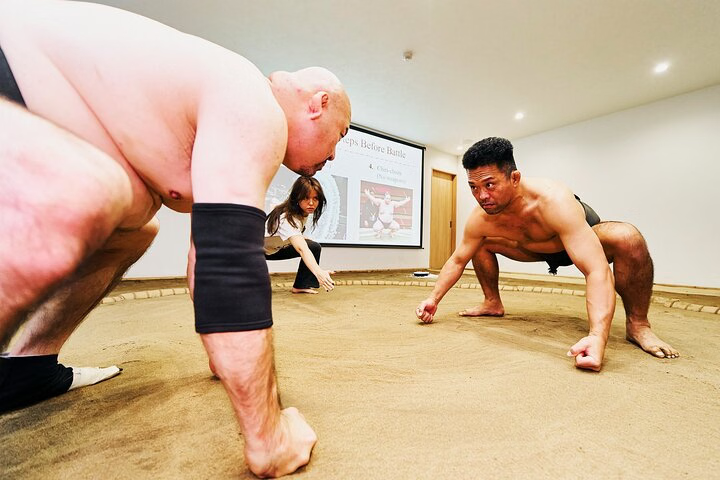
Can’t make it to a Grand Tournament? Sumo Studio Osaka lets you experience sumo up close any time of year.
It’s perfect if tickets sold out or you want a more hands-on introduction to the sport.
Take on a Sumo Wrestler at This Hands-On Venue
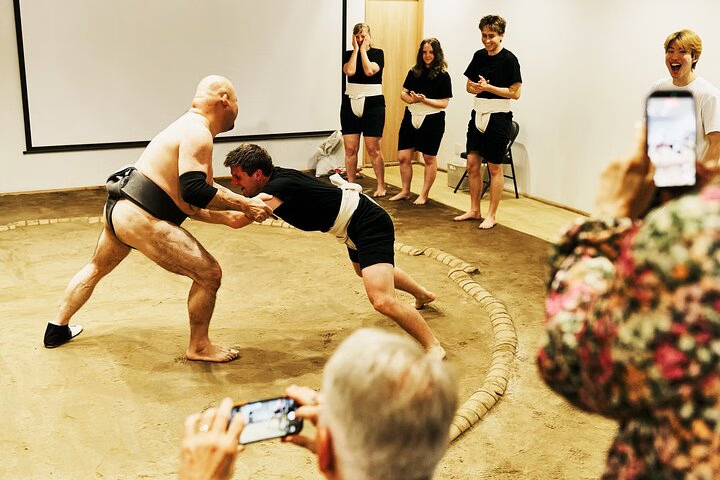
At Sumo Studio Osaka, retired professional sumo wrestlers perform real matches for visitors sitting just meters away. With only 50 seats, it’s an incredibly intimate experience.
You’ll see sacred rituals like salt-throwing (shio-maki), the powerful leg stamp (shiko), and the opening stance (tachiai)—all explained in English and with added context about sumo’s Shinto roots.
Feeling brave? Volunteers can step into the ring and face a wrestler in the Audience Challenge. After the show, snap photos with the wrestlers to get a perfect souvenir of your sumo experience.
Conveniently Located for Osaka Sightseeing
The venue is right outside Hanazonocho Station (Exit 4, Yotsubashi Line), making it easy to add to any Osaka itinerary.
It’s about 10 minutes by train from Namba, 16 minutes from Umeda, and 23 minutes from Shin-Osaka.
Five shows run daily (10:00 am, 12:30 pm, 3:00 pm, 5:30 pm, and 8:00 pm) year-round, so you can fit it into any schedule. The staff can store your luggage, so it’s possible to stop by even on travel days.
Sumo Studio Osaka also has an on-site bar where you can grab a Japanese beer or umeshu (plum wine) before or after the show.
What to Wear for the Experience
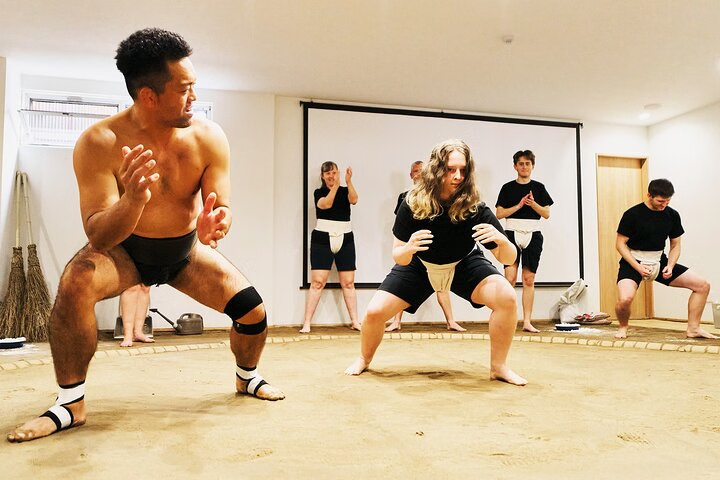
The Audience Challenge lets you step into the ring and face a real wrestler. If you want to participate, wear something you can move in.
Had a drink? You can still go up for photos after consuming alcohol, but you won’t be able to take part in the wrestling.
Details
| Address | 1F Hanazonocho AI Building, 1-5-1 Asahi, Nishinari-ku, Osaka |
| Nearest Station | Hanazonocho Station (Osaka Metro Yotsubashi Line), directly outside Exit 4 |
| Phone | +81-70-8450-6390 |
| Performance Times | 10:00 am / 12:30 pm / 3:00 pm / 5:30 pm / 8:00 pm (90 min. each) |
| Closed | Open year-round |
| Official Website | https://sumowrestlingshow.jp/ |
The Mawashi and Attire of Rikishi: Background Knowledge
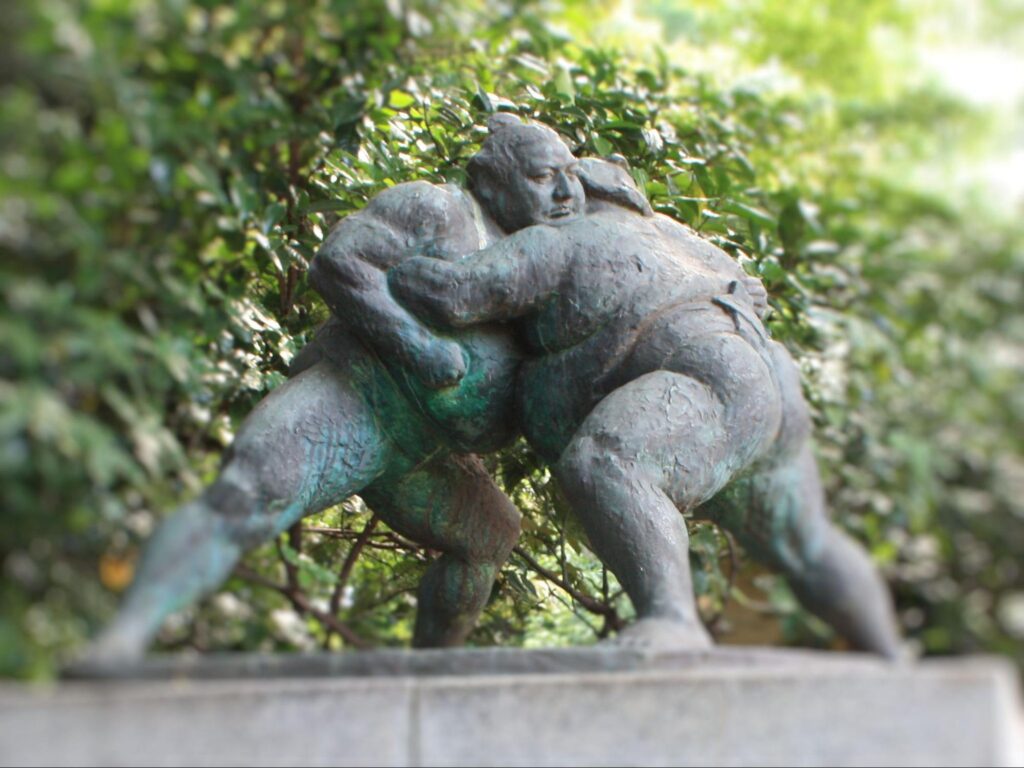
Now let’s look at what the sumo wrestlers themselves wear, as the mawashi and kimono carry centuries of history and meaning.
Types and Roles of the Mawashi
Top-division wrestlers (sekitori) use two types of mawashi: one for training (keiko) and one for tournaments (shimekomi).
Training belts are sturdy cotton, built to handle daily practice and to protect the body. Tournament belts are silk, about 10 meters (32.81 feet) long, and usually in deep navy or purple.
The wrapping is precise: the edge is pressed against the hipbone, then wrapped tight three to four times so that it doesn’t loosen, even in the fiercest bouts. This technique provides stability for the wrestlers through every throw and push.
Wrestlers grab each other’s mawashi to pull, lift, and drive their opponent out. It’s not just clothing—it’s a crucial tool for sumo techniques.
Kesho-Mawashi Seen During Ring-Entering Ceremonies
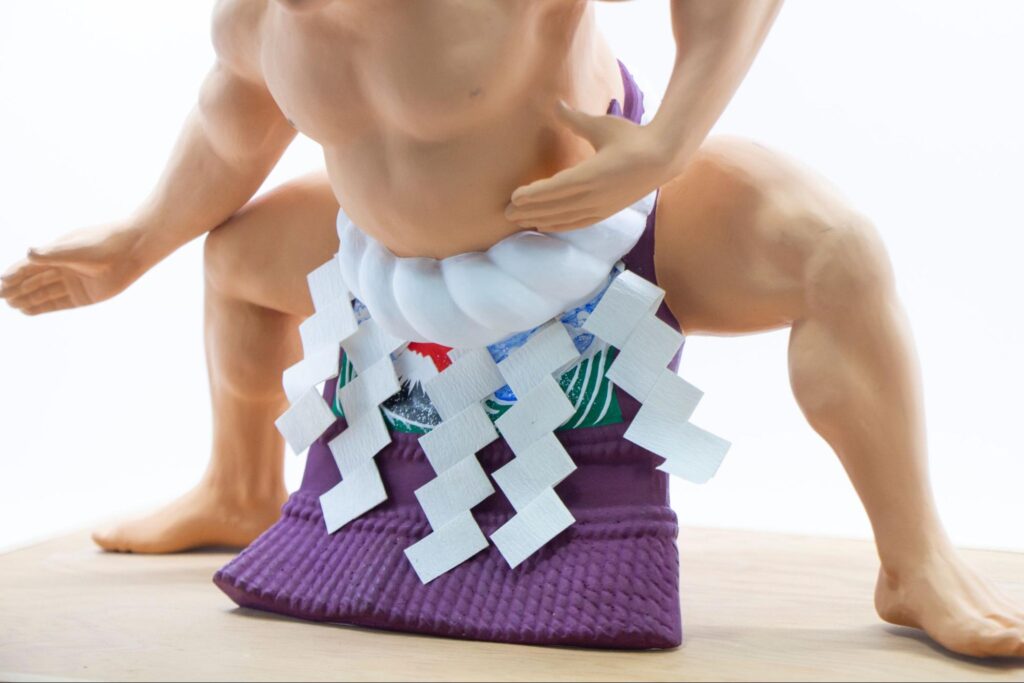
During the ring-entering ceremony (dohyo-iri), wrestlers wear kesho-mawashi: stunning ceremonial aprons.
These 7-meter (30-foot) silk panels are embroidered with gold and silver thread and impossible to miss.
Sponsors often gift these belts to the athletes to celebrate promotions, with the sponsor’s name sometimes embroidered on the front.
Each kesho-mawashi reflects a wrestler’s prestige and the support behind him. Keep an eye out for them during the ceremony.
Chonmage and the Art of the Tokoyama
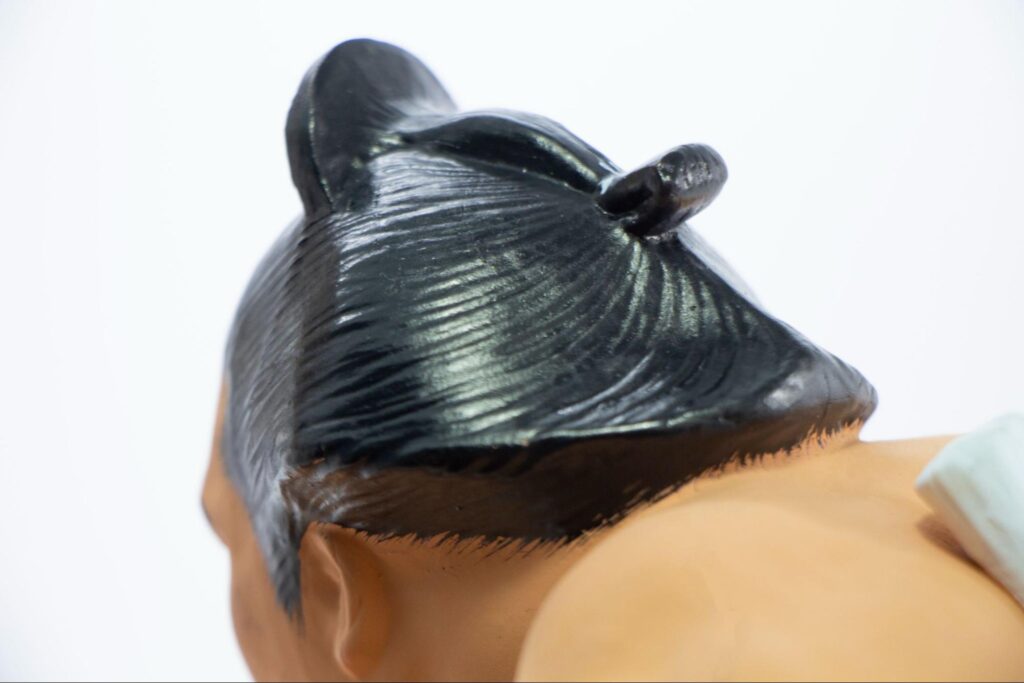
The sumo wrestler’s topknot—his chonmage—dates back to samurai in the Kamakura period and became a status symbol in the Edo era.
Special hairdressers called tokoyama create these intricate styles by combing, oiling, and binding the hair with a motoyui cord. This requires serious skill, and mastering the elaborate topknot worn by top wrestlers takes over 10 years.
That these hairstyles survive brutal bouts speaks to the hairdresser’s expertise. Next time you watch, appreciate the craftsmanship behind that dignified look.
What to Wear to Sumo: FAQ
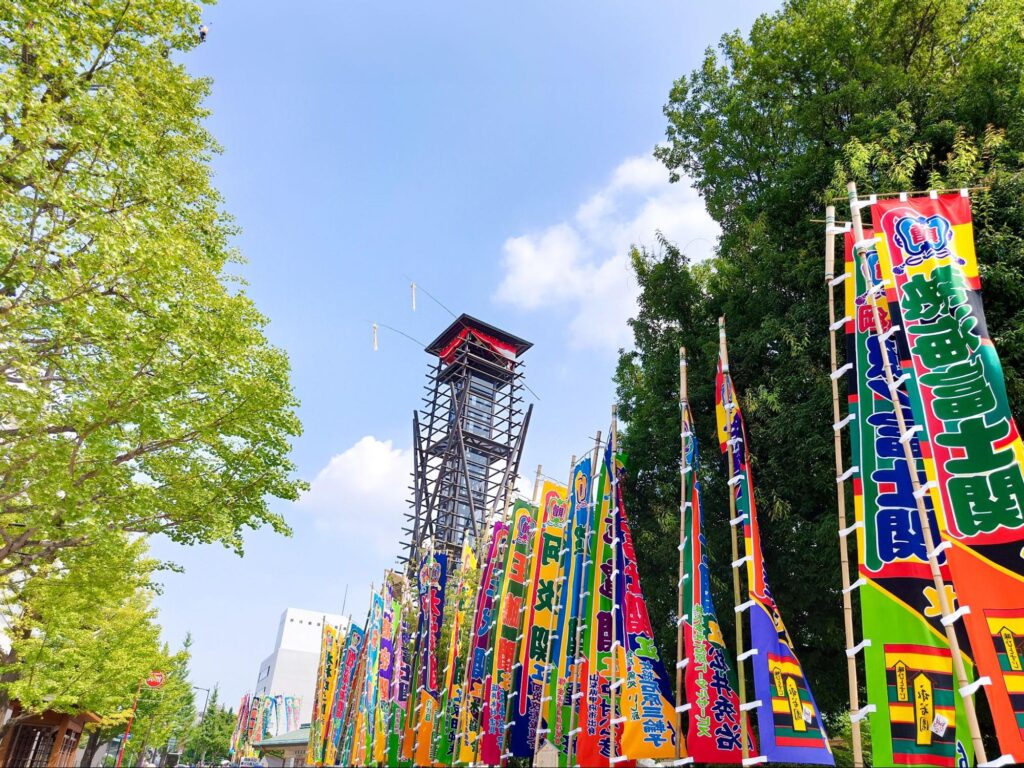
Still have questions about what to wear? Below are answers to the most common questions.
Is it Okay to Wear Jeans and Sneakers?
Absolutely, but with a few caveats.
You’ll be sitting for hours, so being comfortable while seated matters. Skip the skinny jeans—relaxed-fit denim works great.
In floor seats and box seats, you’ll need to remove your shoes, so slip-on styles work best.
Bottom line: wear something you can move in that suits the setting.
What Should I Know About Bringing Children?
Bringing kids? Here’s what to know.
Children 4 years and older need their own ticket. Only kids older than 16 can sit in floor seats, so families should go for box seats or chair seats.
Dress kids in clothes they can move in and manage themselves. Keep things loose so they stay happy. For box seats, shoes they can take off and on by themselves save hassle.
Check strollers in before entering—you can’t bring them to your seats—and be mindful of others around you. If your little one gets loud, step out for a bit.
What Should I Wear on Rainy Days?
On rainy days, a water-resistant jacket keeps you dry on the way to the match.
Pay extra attention to your shoes. For box seats, pick shoes you can remove quickly and that can handle getting wet. Also, pack spare socks—your feet will thank you if your shoes get soaked.
If you can, bring a compact folding umbrella that won’t get in anyone’s way.
Summary
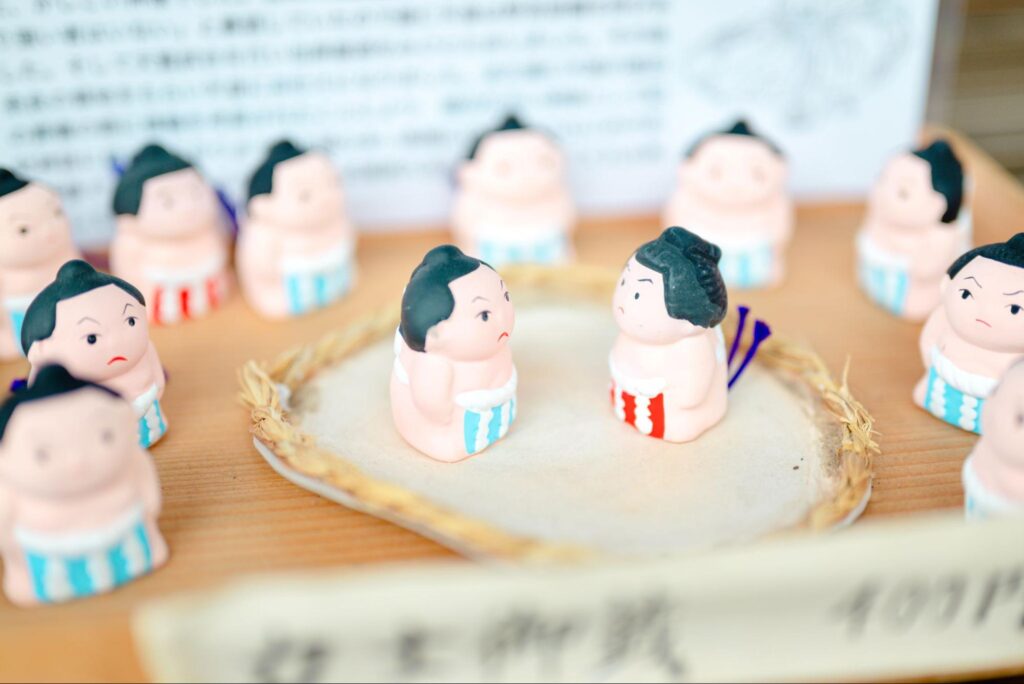
Not sure what to wear to sumo? The short answer is: whatever you like. There’s no dress code.
Just avoid anything too revealing, big hats that block views, or clothes so tight you can’t sit comfortably.
What’s appropriate depends on your seat. For floor seats and box seats, go for loose clothes that you can sit cross-legged in, plus slip-on shoes. For chair seats, your everyday casual wear works perfectly.
Follow these tips, dress smart, and enjoy the show. Sumo is an unforgettable experience—you’re in for a treat!