Top 17 Day Trips from Kyoto
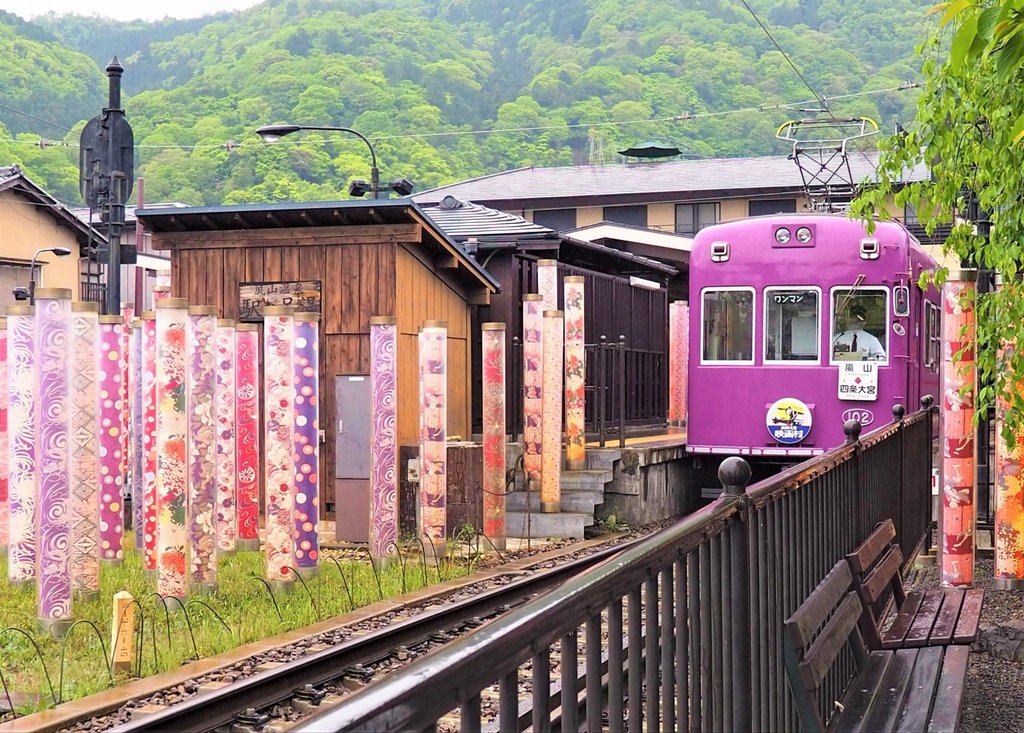
During your stay in Kyoto, why not venture out and explore the surrounding areas?
You’ll find World Heritage castles, stunning natural scenery, buzzing city streets, and places offering one-of-a-kind cultural encounters, all within day-trip distance from Kyoto.
We’ve selected 17 destinations and organized them by what you’re looking for: history and culture, nature and scenery, local culinary delights, and hands-on experiences. You’ll also find travel times and highlights in each section to help you plan your trip.
Contents
A Day Trip Guide Using Kyoto as Your Base
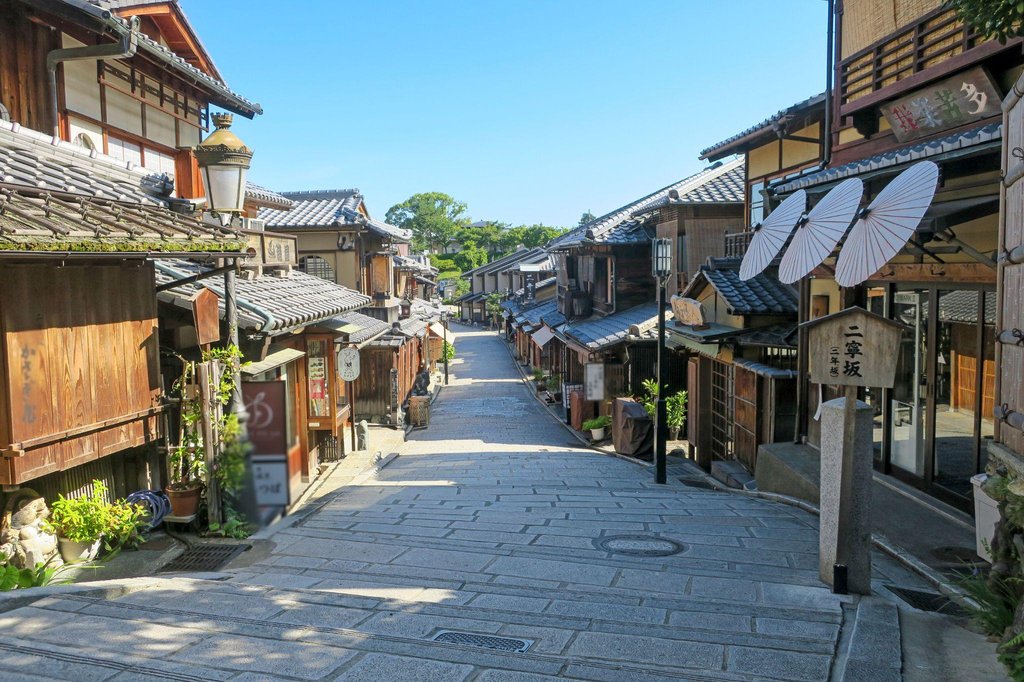
Planning to explore Kansai and beyond using Kyoto as your base? Here’s what you need to know.
Review these basics and you’ll plan smarter and have more fun.
Estimated Travel Times to Major Destinations
How long does it take to get there? That’s usually the first question you want answered when planning a day-trip.
Below are travel times to major destinations:
Travel Times from Kyoto Station
| Area | Transportation | Travel Time |
|---|---|---|
| Arashiyama | JR Sagano Line | Approx. 15 min |
| Nara | JR Nara Line | Approx. 45 min |
| Osaka | JR Special Rapid | Approx. 30 min |
| Kobe | JR Special Rapid | Approx. 55 min |
| Himeji | JR Special Rapid | Approx. 90 min |
| Uji | JR Nara Line | Approx. 20 min |
Destinations within an hour from Kyoto should give you a solid 4–5 hours to explore any given place.
If travel takes over 1.5 hours each way, the time you can spend at your destination shrinks fast, so narrow down your must-see spots before you hop on the train.
Also consider leaving earlier for a more rewarding day.
How to Choose Your Day Trip Destination
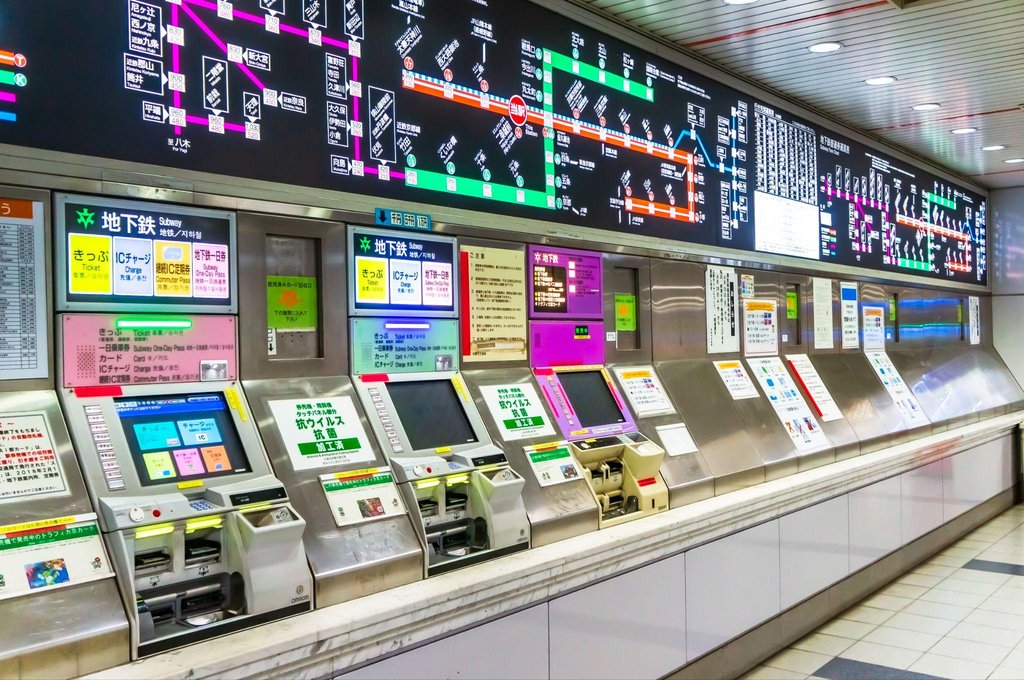
If you want to get the most out of your day trip, then pick a destination that matches what you love.
Love history and culture? Head to ancient capitals and castle towns like Nara, Himeji, or Kurashiki. Stand before World Heritage sites and National Treasures where Japan’s history comes alive.
Craving nature and scenic views? Try spots like Amanohashidate or Mount Yoshino, where you can savor the beauty of each season. Stunning, Instagrammable views will color your travel memories with even greater brilliance.
Into city strolling and great food? Osaka’s Dotonbori or Kobe won’t disappoint. Here you can dive into local food culture and soak up the city’s buzzing energy.
Travel time and budget are worth considering too. Spots within an hour each way from Kyoto are low-stress, especially for first-timers. But if you’ve been there before, we recommend you venture further and uncover some hidden gems.
If you’re traveling with kids, Universal Studios Japan (USJ) and Osaka Aquarium Kaiyukan are surefire hits.
History and Culture Spots
If you’re interested in history, the areas around Kyoto are packed with spots where you can dive deep into Japanese culture.
Nara Park and Todai-ji Temple
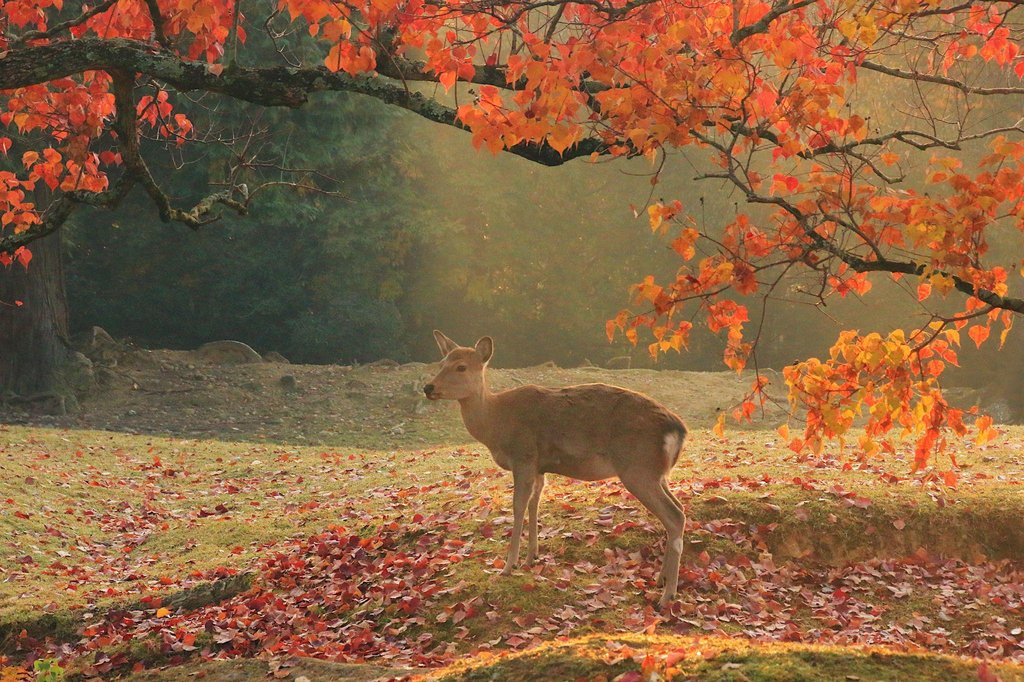
Nara Park sprawls across 500 hectares (nearly 1.5 times the size of New York’s Central Park), providing a home to some 1,300 wild deer that roam here freely—a rare sight in any city.
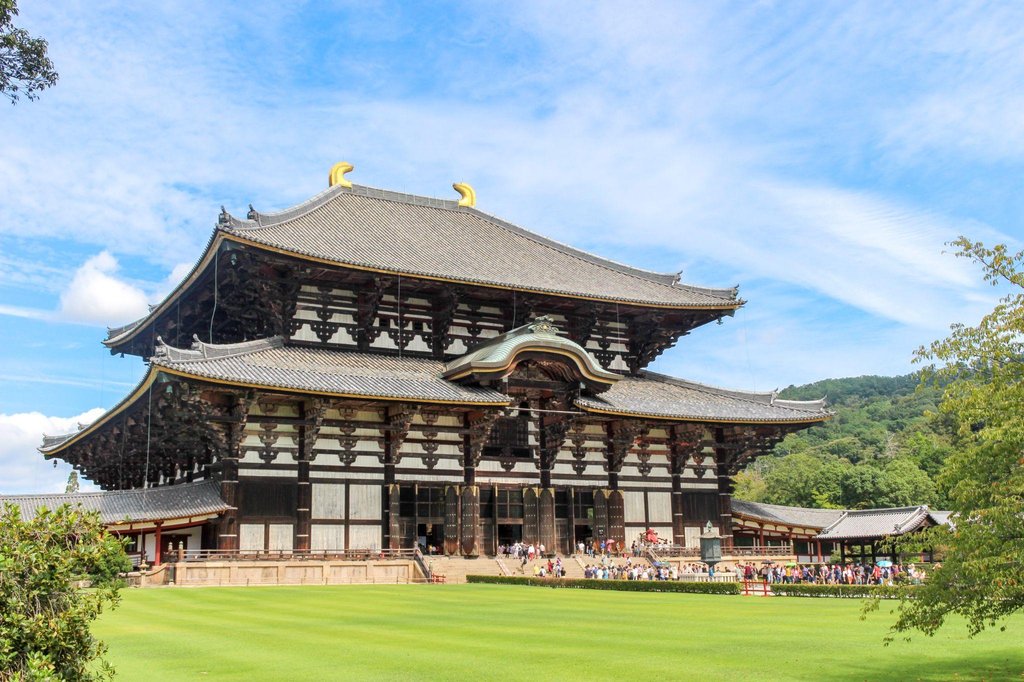
Inside Todai-ji Temple—a UNESCO World Heritage site—you’ll find the Daibutsuden (the hall of the Great Buddha). Completed in 752 C.E., the Rushanabutsu (Great Buddha) towers about 15 meters (49 ft.) high. It’s among Japan’s most iconic Buddhist statues and the Daibutsuden ranks among the world’s largest wooden structures—the sheer scale will leave you speechless.
Hold out shika-senbei (special crackers sold for feeding the deer in Nara Park) and watch the deer bow their heads before walking up to you. This is an experience found only in Nara, where nature and history blend like nowhere else.
Details
| Address | 406-1 Zoshi-cho, Nara City, Nara Prefecture (Todaiji) |
| Travel Time from Kyoto Station | Approx. 55 min (Kyoto Station → Nara Station + walk) |
| Hours | Apr–Oct: 7:30am–5:30pm; Nov–Mar: 8:00am–5:00pm |
| Closed | None |
| Recommended for | Animal lovers, history and culture enthusiasts, families |
| Official Website | https://www.todaiji.or.jp/ |
Osaka Castle
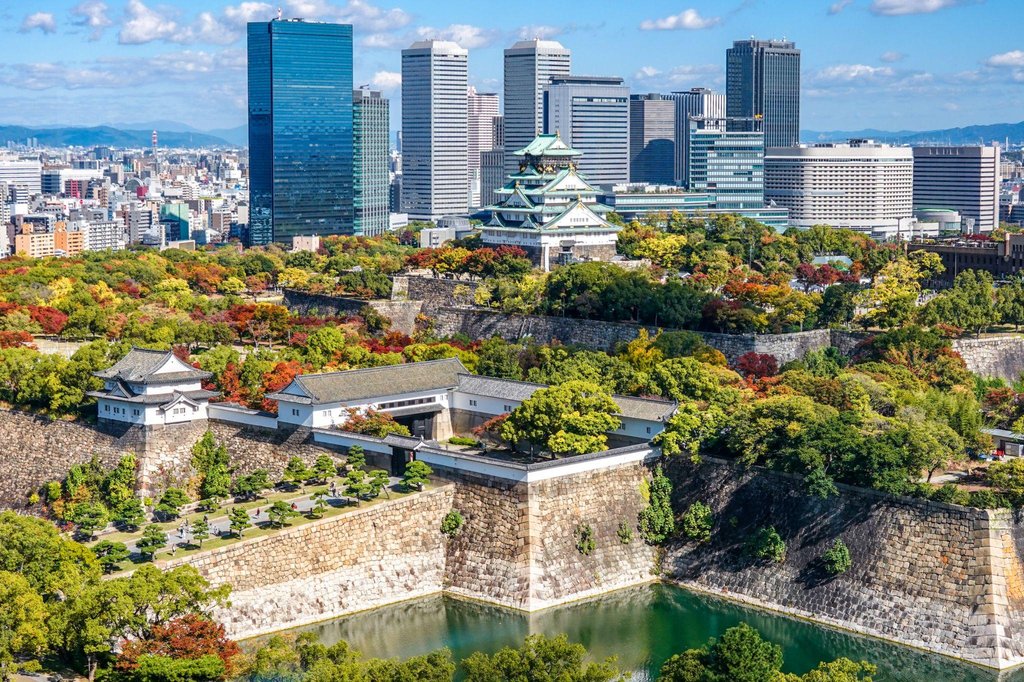
Osaka Castle—the beloved symbol of Osaka City—is a magnificent fortress that was built starting in 1583 by Toyotomi Hideyoshi, a hero of the Sengoku period (an era of civil war from the late 15th to late 16th century).
The central tower of the castle was rebuilt in reinforced concrete in 1931, with its exterior recreated to imitate the Toyotomi-era look. Climb to the top (about 55 meters—or 180 feet— up) for sweeping views of Osaka.
Inside the castle, a museum brings Hideyoshi’s story and Osaka’s history alive with engaging exhibits. The samurai and shogun displays are a hit with international visitors.
Osaka Castle Park surrounds the grounds, bursting with seasonal blooms—the cherry blossoms in spring are particularly spectacular—so you can soak up Osaka’s history while strolling through the park.
Details
| Address | 1-1 Osakajo, Chuo-ku, Osaka City, Osaka |
| Travel Time from Kyoto Station | Approx. 1 hr–1 hr 15 min (Kyoto Station → Osaka Station → Osakajokoen or Temmabashi Station + walk) |
| Hours | 9:00am–6:00pm (last entry 5:30pm) |
| Closed | New Year’s Holidays (Dec 28–Jan 1) |
| Recommended for | History and culture enthusiasts, photography lovers |
| Official Website | www.osakacastle.net |
Himeji Castle
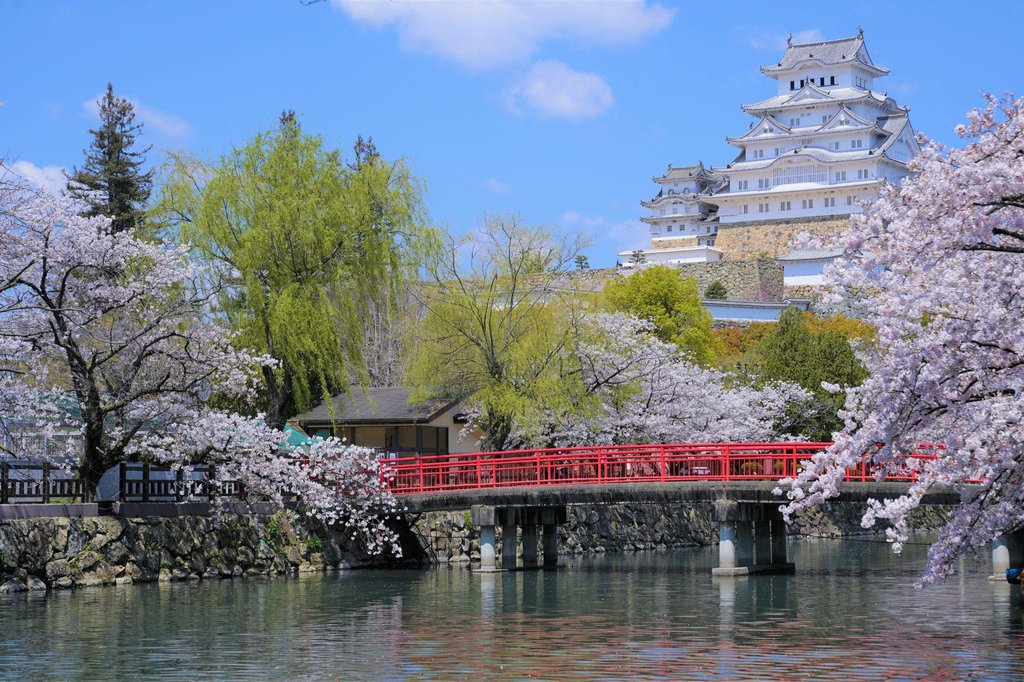
Called Hakurojo in Japanese (meaning “white heron castle”), Himeji Castle wows visitors with its elegant, pure white form, which is covered in shikkui (traditional Japanese plaster). It’s one of Japan’s largest surviving castles of traditional wooden construction.
Himeji Castle is the first of Japan’s World Heritage Cultural Sites to be registered (in 1993), and this castle has survived over 400 years of war unscathed.
What really stands out at Himeji Castle is its complex triple-spiral defensive layout. Winding passages designed to confuse enemies—plus early 17th-century watchtowers, gates, and stone walls—remain in their original state. Built for battle yet beautiful, this is Japanese castle architecture at its finest.
Details
| Address | 68 Honmachi, Himeji City, Hyogo Prefecture |
| Travel Time from Kyoto Station | Approx. 1 hr 30 min–1 hr 40 min (Kyoto Station → Himeji Station + walk) |
| Hours | 9:00am–5:00pm (entry until 4:00pm) |
| Closed | December 29–30 |
| Recommended for | Those interested in history and architecture, World Heritage enthusiasts |
| Official Website | https://www.city.himeji.lg.jp/castle/ |
Kurashiki
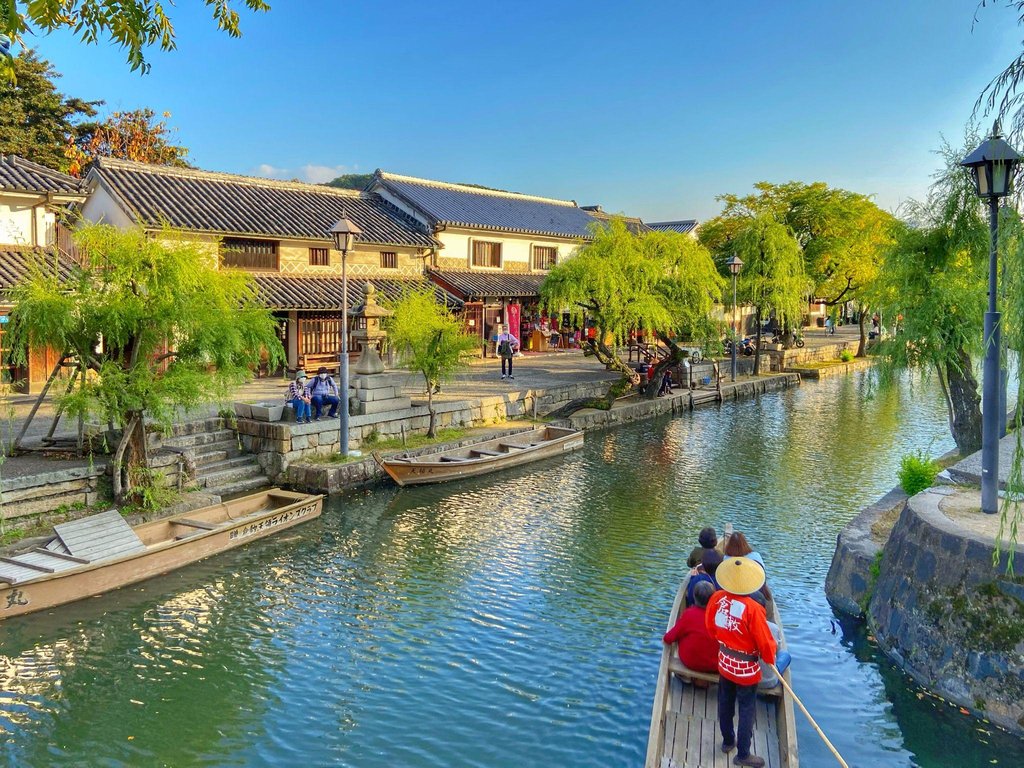
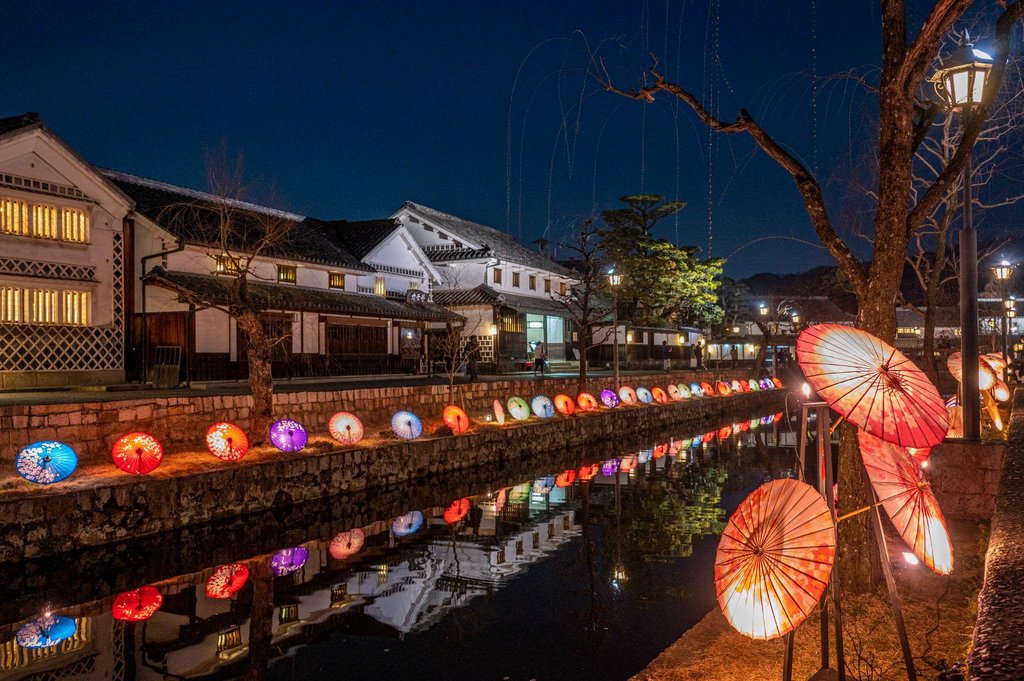
The Kurashiki Bikan Historical Quarter, lined with white-walled kura-yashiki (warehouses that also served as residences), is a townscape that still feels like the Edo period. Rows of willow trees lining the Kurashiki River pair with traditional white walls to offer a serene view, evoking the quiet atmosphere of a bygone era.
The Ohara Museum of Art (opened in 1930, it was Japan’s first private Western art museum) holds world-class works by El Greco, Monet, and more. After the museum, unwind at a cozy machiya, a traditional café.
Down the cobblestone alleys, you’ll discover one-of-a-kind galleries and craft shops, as well as local souvenirs like Kurashiki denim. Take your time: this place rewards a slow pace.
Details
| Travel Time from Kyoto Station | Approx. 1 hr 40 min–2 hr (Kyoto Station → Okayama Station → Kurashiki Station + walk) |
| Recommended for | Art lovers, travelers seeking cultural discoveries |
Ise Shrine
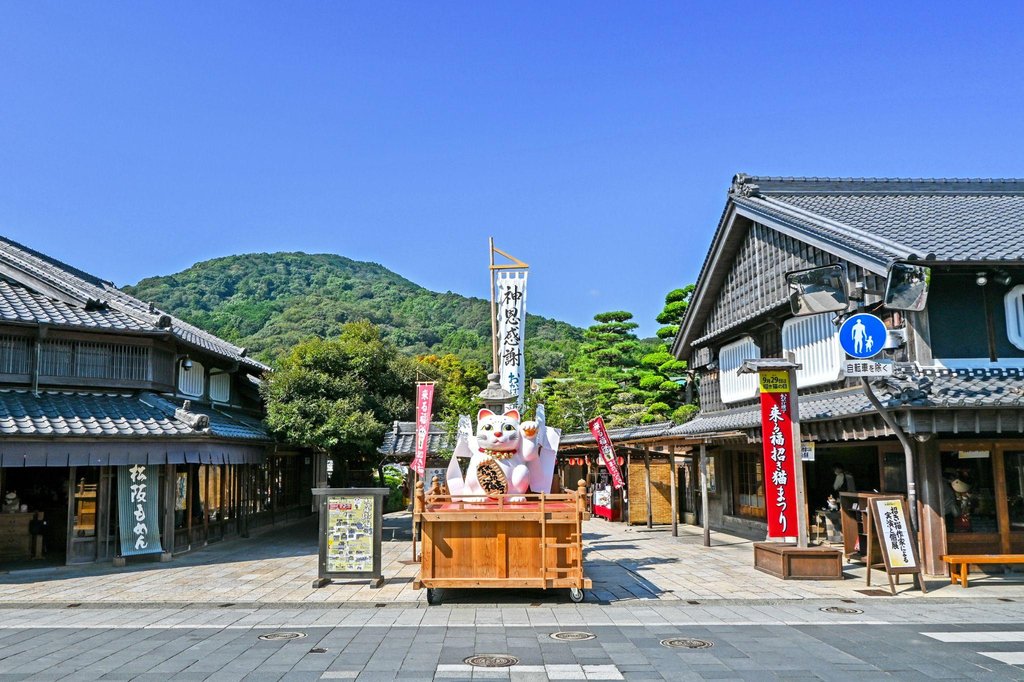
With over 1,500 years of history, Ise Shrine is often called the spiritual heart of Japan.
Start your pilgrimage at the outer shrine (Geku), then head to the inner shrine (Naiku). The outer shrine is dedicated to Toyouke-Omikami (the deity of agriculture and industry), while the inner shrine honors Amaterasu-Omikami (the supreme deity in Japanese mythology).
Start your tour at the main sanctuary of each shrine, then visit the subsidiary shrines after. Plan around 30–60 minutes for the outer shrine and 60–90 minutes for the inner shrine, in order to cover the main areas.
At Okage Yokocho—the bustling temple town that developed in front of the inner shrine—you can savor local specialties like akafuku-mochi (soft rice cakes with sweet red bean paste) and Ise udon. Strolling and snacking through these Edo-style streets is half the fun of the trip here.
Details
| Address | 1 Ujitachi-cho, Ise City, Mie Prefecture |
| Travel Time from Kyoto Station | Approx. 2 hr–2 hr 30 min (Kyoto Station → Ise-shi Station + walk) |
| Hours | 5:00am–6:00pm (varies by season) |
| Closed | None |
| Recommended for | Those who want to discover Japan’s spiritual culture, history enthusiasts |
| Official Website | https://www.isejingu.or.jp/ |
Nature and Scenic Spots
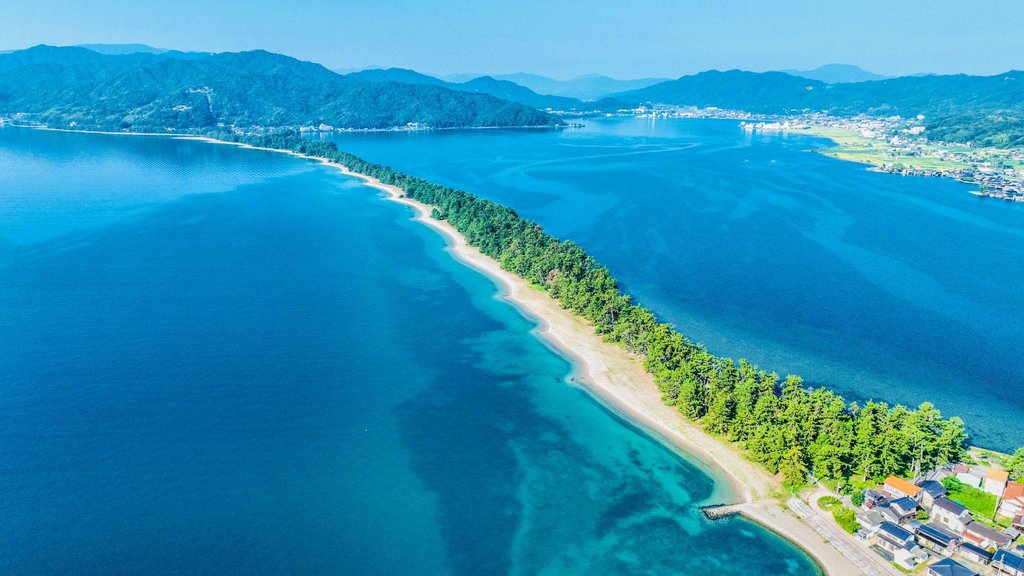
Looking for nature? The area around Kyoto delivers breathtaking scenery.
Amanohashidate
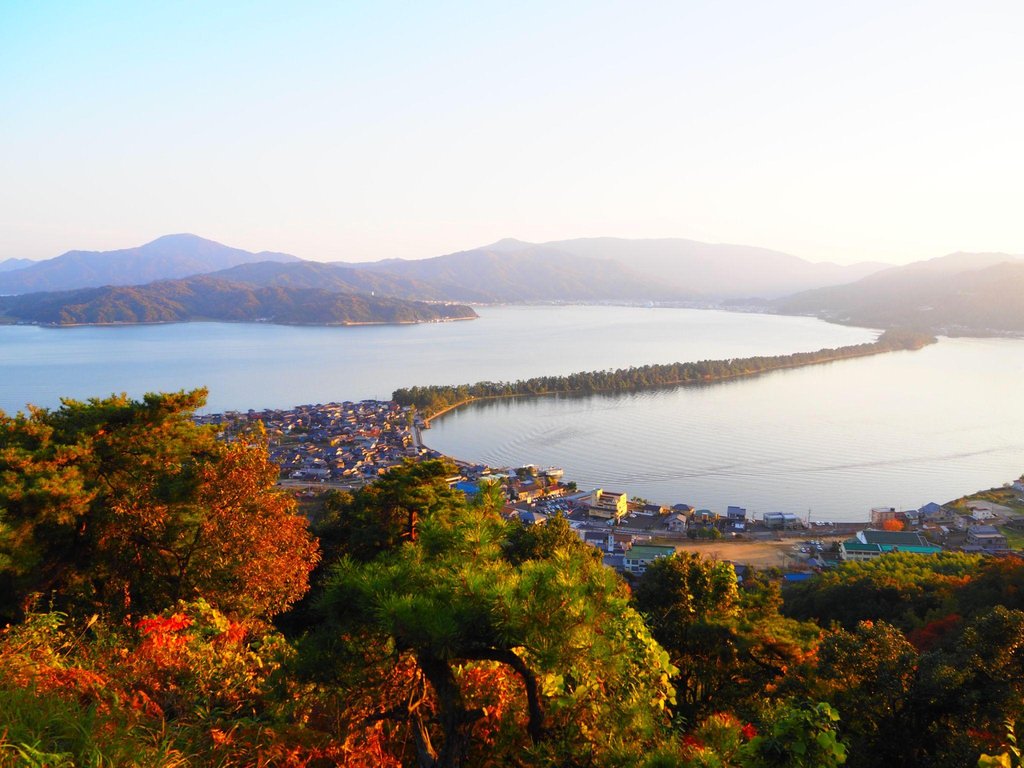
Known as one of Japan’s three most scenic places, Amanohashidate is a pine-covered sandbar stretching 3.6 kilometers (2.2 miles) between Miyazu Bay and the Aso Sea.
For the full effect, try matanozoki: viewing the scenery upside-down by looking through your legs. Bend over, look behind you through your legs, and the sandbar transforms into a dragon soaring through the sky.
Two viewpoints await you here. Amanohashidate View Land—a 5-minute walk from the station, then a 4–7 minute ride by lift or monorail—offers the Hiryukan (Flying Dragon) view, where the sandbar appears like a dragon ascending to heaven. Then there’s Kasamatsu Park—reached by cable car or lift—which gives you the Shoryukan (Rising Dragon) view.
You can also cycle or walk along the sandbar—a leisurely stroll among the pines here is a treat.
Details
| Address | 437 Monju, Miyazu City, Kyoto Prefecture (Amanohashidate View Land) |
| Travel Time from Kyoto Station | Approx. 2 hr 10 min (Kyoto Station → Amanohashidate Station + walk) |
| Hours | 9:00am–5:00pm (varies by season) |
| Closed | None |
| Recommended for | Families, nature and scenery enthusiasts |
| Official Website | http://www.viewland.jp/ |
Mount Yoshino
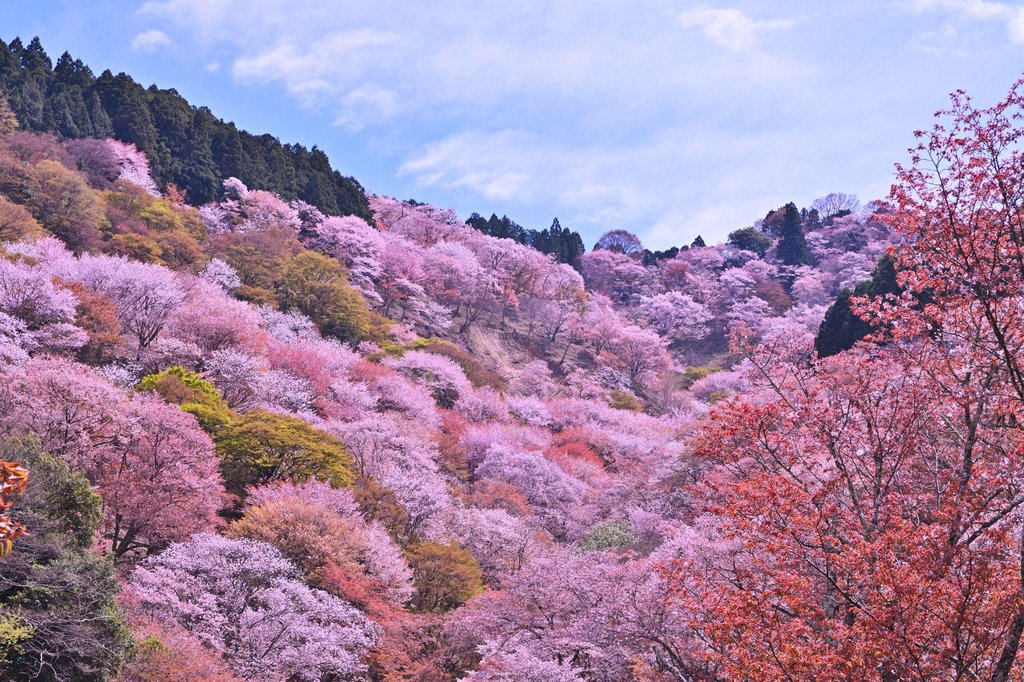
“Hitome Senbonzakura” in Japanese means “one thousand cherry blossom trees at a glance, Mount Yoshino’s Senbonzakura is one of Japan’s top cherry blossom spots. Around 30,000 trees blanket the mountainside, and from late March through late April blossoms open up on the slopes in waves—the different waves of blossoms are called Shimo-senbon, Naka-senbon, Kami-senbon, and Oku-senbon—stretching the viewing season out to almost a full month.
This mountain is beautiful long past cherry blossom season, however. From May to June, fresh green foliage blankets the slopes, and by late June the hydrangeas at Nanamagari-zaka hit their peak. October and November, on the other hand, bring fiery fall colors.
Centered around Kinpusen-ji Temple, Mount Yoshino has long been a sacred site for sangaku shinko (or mountain worship, a faith that reveres mountains as sacred). Nature and sacred architecture blend beautifully here, and it’s worth a visit in any season.
Details
| Travel Time from Kyoto Station | Approx. 2 hr–2 hr 30 min (Kyoto Station → Yamato-Saidaiji Station → Kashihara-jingu-mae Station → Yoshino Station + walk or ropeway) |
| Recommended for | Those who appreciate nature, history, and seasonal landscapes |
Naruto Whirlpools
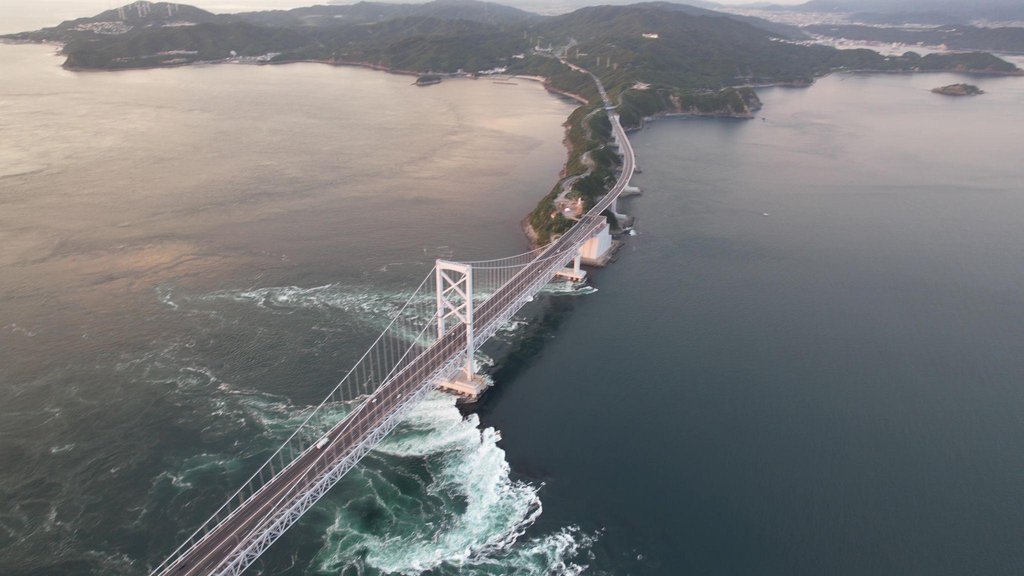
One of the world’s three largest tidal currents, the Naruto Whirlpools form where the Pacific Ocean meets the Seto Inland Sea, offering visitors a jaw-dropping natural show. You can even get up close in a sightseeing boat.
There are two options for boat rides: the large Wonder Naruto and the smaller Aqua Eddy. The larger vessel is stable and needs no reservation; the smaller one has an underwater observation room so you can see the whirlpools from below deck.
Don’t miss the Whirlpool Walkway (also known as Uzunomichi) on Onaruto Bridge. This attraction lets you look down on the whirlpools from 45 meters (148 ft.) up.
Details
| Sightseeing Boats | Whirlpool Walkway | |
|---|---|---|
| Address | 264-1 Oge, Tosa-domari-ura, Naruto-cho, Naruto City, Tokushima | Inside Naruto Park, Naruto-cho, Naruto City, Tokushima |
| Travel Time from Kyoto Station | Approx. 3 hr (Kyoto Station → Osaka Station → Naruto Koen-guchi (bus) + walk) | |
| Hours | 8:30am–5:00pm | 9:00am–6:00pm (varies by season) |
| Closed | None | None |
| Recommended for | Those who want to see whirlpools up close | Those who appreciate elevated panoramic views |
| Official Website | https://www.uzusio.com/access/ | https://www.uzunomichi.jp/access/ |
City Walks and Food Spots
Ready for food and city vibes? Situated about an hour’s distance by train from Kyoto, you’ll find cities like Osaka and Kobe—each with their own distinct food culture and streetscape worth exploring.
Dotonbori
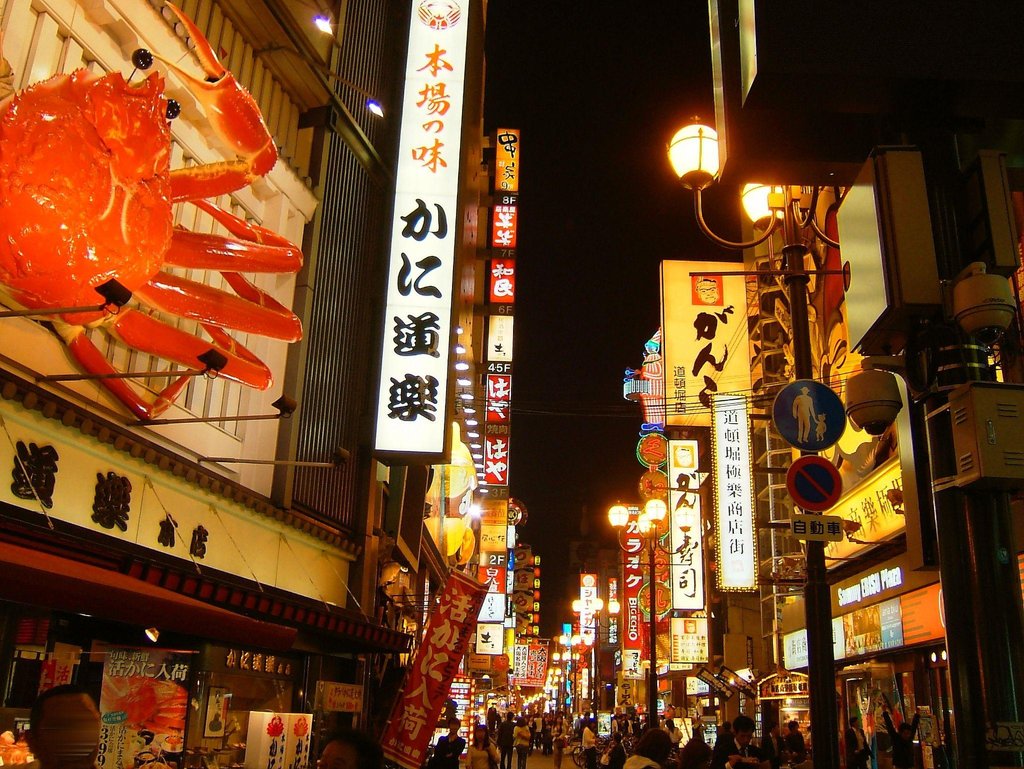
Think of Osaka and Dotonbori might come to mind. Neon signs ablaze everywhere—at the fore of which are the giant Glico Running Man and the moving Kani Doraku crab. Osaka’s energy hits you full force.
The Glico sign towers 20 meters (65 ft.) high and 10.38 meters (34 ft.) wide, and it’s lit by about 140,000 LEDs. For the best camera angle, stand on Ebisu-bashi Bridge—from here, the Glico sign glows brilliantly across the canal.
But Dotonbori’s real draw is the street food you can eat while walking about. Takoyaki (octopus cooked in batter and covered in toppings) stalls line the streets, their crispy shells and gooey centers a tasty treat. Here there are several places serving okonomiyaki (savory pancakes loaded with veggies and meat or seafood), modan-yaki (okonomiyaki with noodles), and kushikatsu (deep-fried skewers of various foods), letting you taste Osaka’s greatest hits all in one trip.
After dinner, stroll along Tonbori River Walk—the night view from the waterside is stunning.
Details
| Travel Time from Kyoto Station | Approx. 50–60 min (Kyoto Station → Osaka Station → Namba Station) |
| Recommended for | Those who want to feel Osaka’s vibrant atmosphere, street food lovers and photography enthusiasts |
Shinsekai and Tsutenkaku
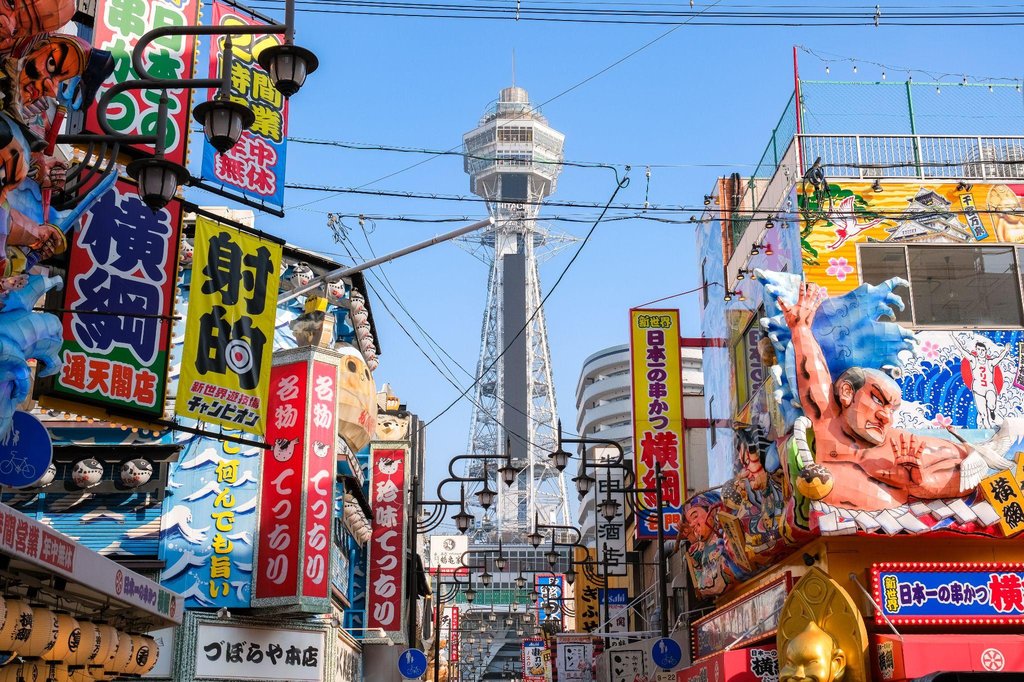
Shinsekai has a retro vibe that’s worlds apart from Dotonbori.
Tsutenkaku Tower, the neighborhood’s icon, was built in 1912. At 64 meters (210 ft.), it was the tallest structure in the East at the time. Fire destroyed it in 1943, but locals rallied to rebuild it in 1956. It currently stands at 108 meters (354 ft.) tall.
On the observation deck of the tower sits Billiken, the God of Good Luck—don’t forget to rub his feet and make a wish, as is the custom. On clear days, the view from here stretches for miles.
Shinsekai is famous for kushikatsu. Dip your skewer in the communal sauce once—no double-dipping!—and you’ll fit in like a local. Enjoy hot, crispy kushikatsu while soaking in the buzzing energy of this area.
Details (Tsutenkaku Tower)
| Address | 1-18-6 Ebisu-higashi, Naniwa-ku, Osaka |
| Travel Time from Kyoto Station | Approx. 1 hr (Kyoto Station → Osaka Station → Shin-Imamiya Station) |
| Hours | 10:00am–8:00pm (last entry 7:30pm) |
| Closed | Open year-round |
| Recommended for | Those who want to uncover local Osaka culture, kushikatsu enthusiasts |
| Official Website | https://www.tsutenkaku.co.jp/ |
Kobe
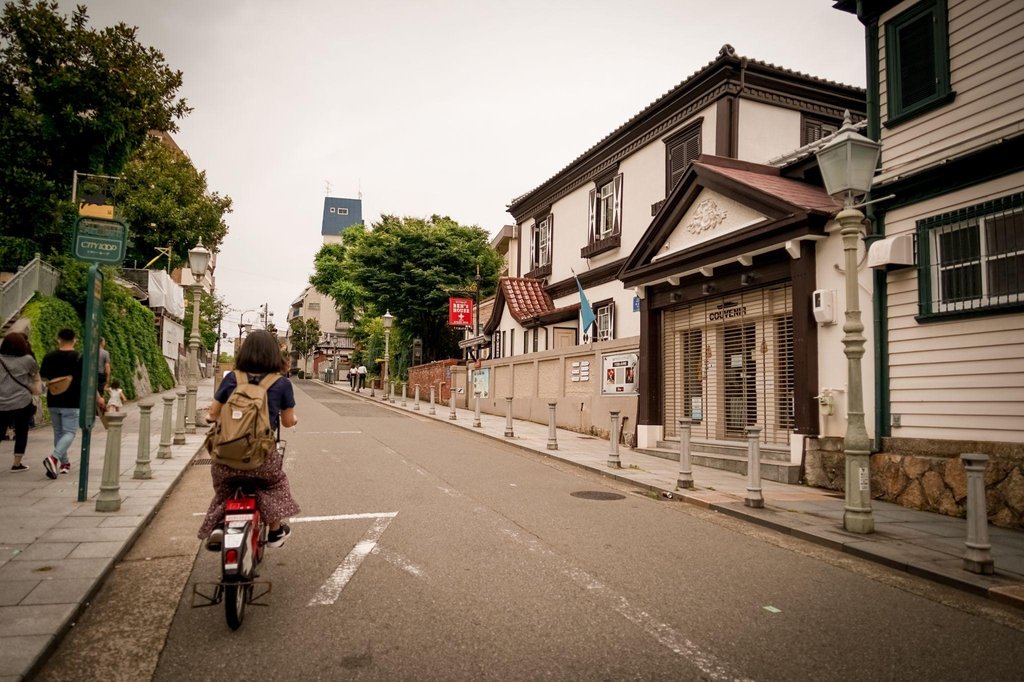
Kobe charms visitors with its polished streets, international flair, and fantastic food.
The Kitano Ijinkan district grew as a settlement for foreigners living in Japan after Kobe Port opened in 1868, and here you’ll find lovely old Western-style homes like the Weathercock House and Moegi House. These hillside houses make for great photos.
Down at the port, Kobe Port Tower anchors Meriken Park, with the Kobe Maritime Museum nearby. At Harborland, ride the Mosaic Big Ferris Wheel or hop on a harbor cruise.
And of course, there’s world-famous Kobe beef. The city is also a sweets haven, with patisseries lining the streets throughout.
Details
| Travel Time from Kyoto Station | Approx. 50–60 min (Kyoto Station → Sannomiya Station) |
| Recommended for | Those who appreciate streets with international flair, those who want to savor port town scenery and refined cuisine |
Hands-On Experiences
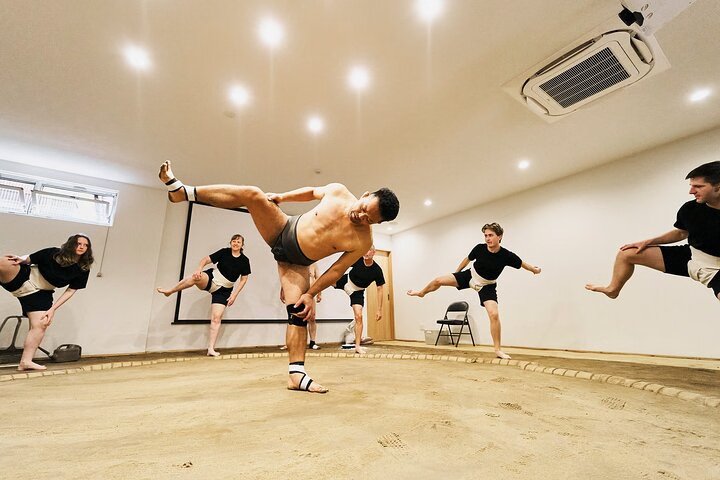
These places go beyond mere sightseeing by adding some hands-on activities to your itinerary.
Sumo Studio Osaka
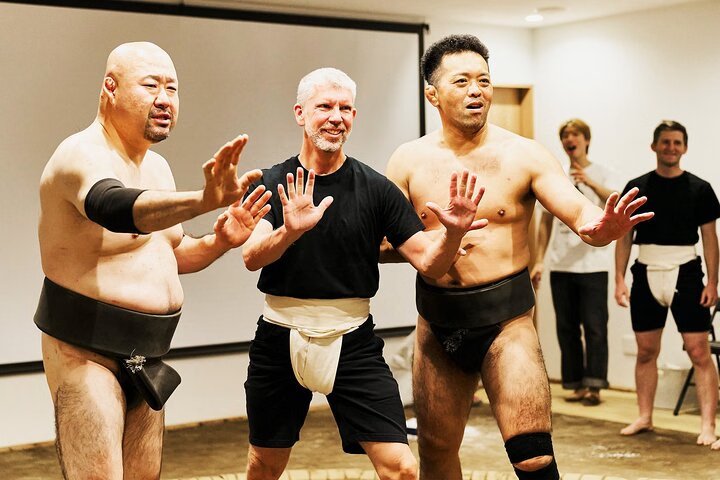
Nestled in Osaka’s Hanazonocho neighborhood, Sumo Studio Osaka puts on authentic sumo shows performed by retired professional sumo wrestlers.
With an intimate setting of only 50 ringside seats, you’re meters from the action. Demonstrations of sacred rituals like shio-maki (to purify the ring) and shiko (to drive away evil spirits) are explained in English, along with an overview of sumo history, its ties to Shinto, and wrestling techniques—making sumo easy to follow even if you’re new to the sport.
If you’re feeling brave, volunteers can even step into the ring to face a wrestler, and there’s an opportunity for photos with the wrestlers following the show. The venue also has a bar that serves Japanese beer and umeshu (plum wine)—perfect for a drink before or after the performance.
The venue sits right outside Exit 4 of Hanazonocho Station (Yotsubashi Line)—about 10 minutes from Namba. Five shows run daily (10:00 am / 12:30pm / 3:00 pm / 5:30pm / 8:00 pm), year-round. Try to book ahead if you can, but note that cancellations within 24 hours are non-refundable.
Details
| Address | 1F Hanazonocho AI Building, 1-5-1 Asahi, Nishinari-ku, Osaka |
| Nearest Station | Hanazonocho Station (Osaka Metro Yotsubashi Line), directly outside Exit 4 |
| Travel Time from Kyoto Station | Approx. 1 hr 20 min (Kyoto Station → Osaka Station → Hanazonocho Station + walk) |
| Phone | +81-70-8450-6390 |
| Hours | 10:00am / 12:30pm / 3:00pm / 5:30pm / 8:00pm (90 minutes each) |
| Closed | Open year-round |
| Official Website | https://sumowrestlingshow.jp/ |
Universal Studios Japan


Universal Studios brings its magic to Japan at USJ Osaka, and boasts all the international favorites plus some Japan-exclusive areas and attractions.
Don’t miss Super Nintendo World: an area that faithfully recreates Mario’s world and a must-see for fans of the gaming sensation that was born right here in Japan.
Grab tickets on the official website or through various vendors (purchase is also possible from overseas).
Details
| Address | 2-1-33 Sakurajima, Konohana-ku, Osaka |
| Travel Time from Kyoto Station | Approx. 1 hr 10 min–1 hr 20 min (Kyoto → Osaka → Nishikujo → Universal City Station) |
| Hours | 9:00am–9:00pm (varies by day) |
| Closed | None |
| Recommended for | Families, theme park enthusiasts, entertainment seekers |
| Official Website | https://www.usj.co.jp/web/ja/jp |
Osaka Aquarium Kaiyukan
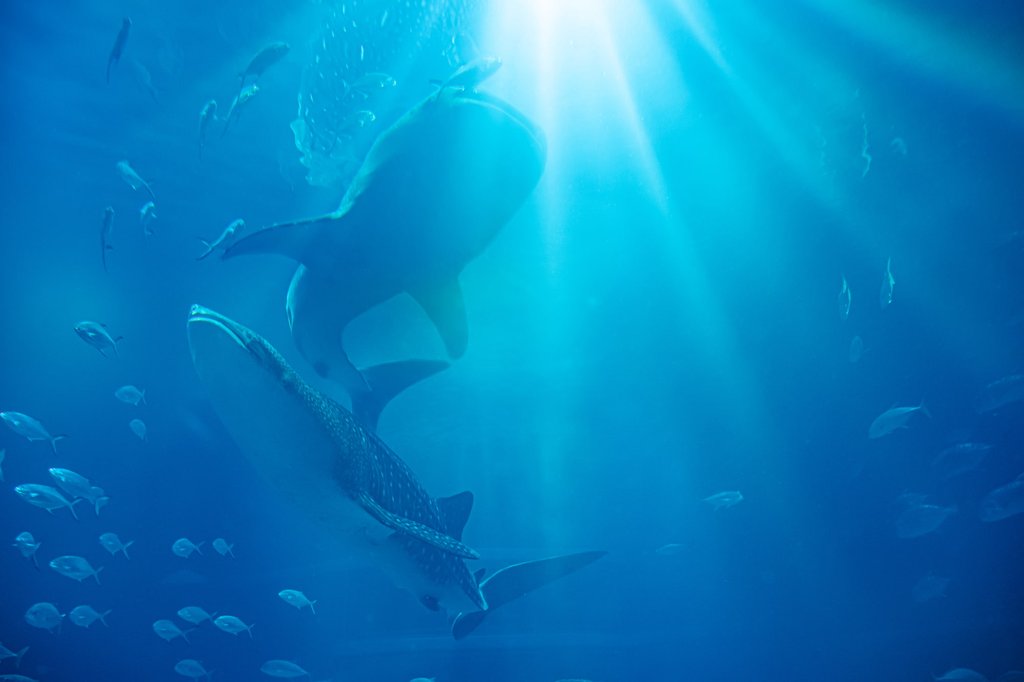
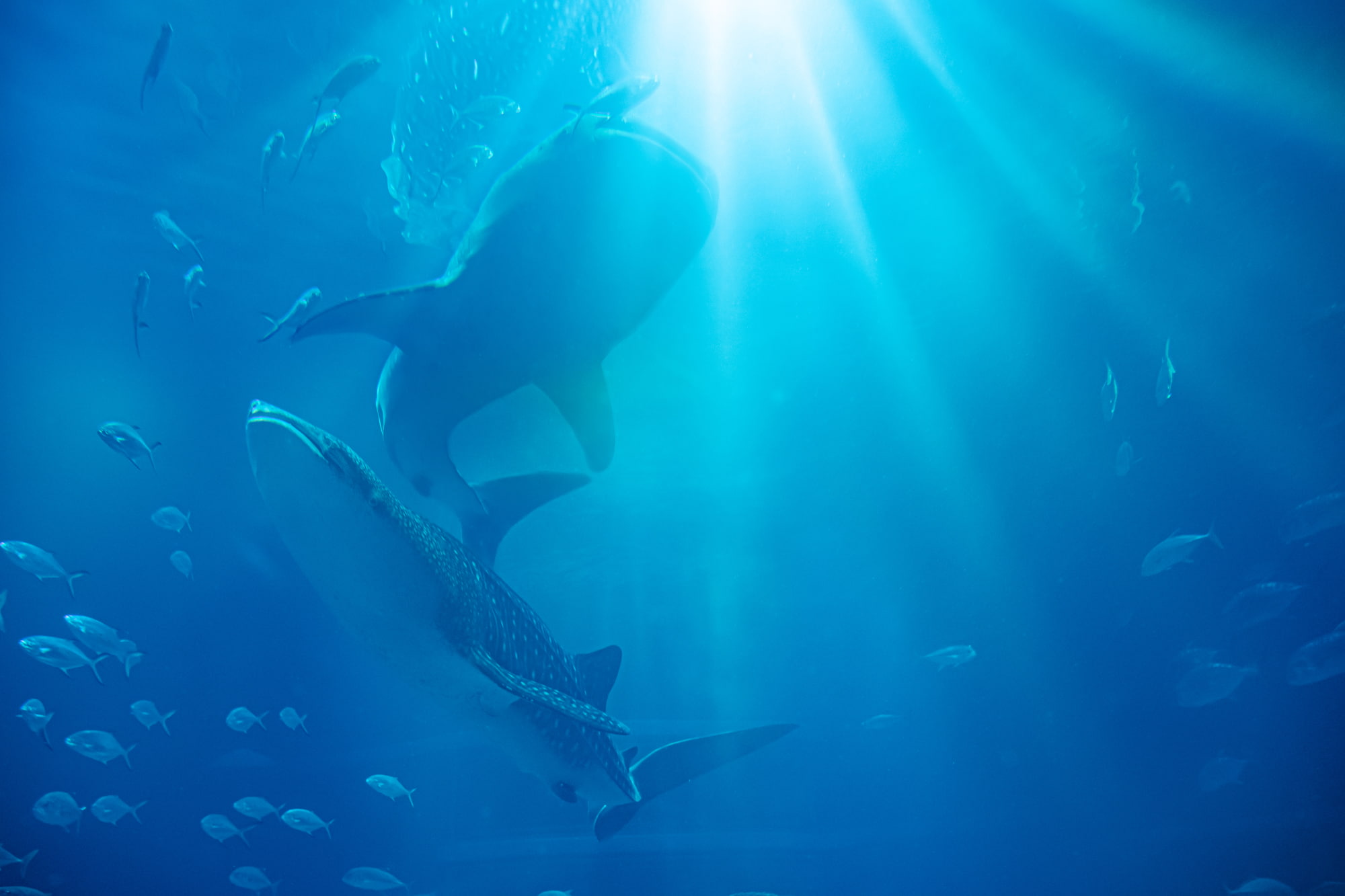
Kaiyukan ranks among the world’s largest aquariums. Nine meters (30 ft.) deep and with a volume of 5,400 cubic meters (190,699 cu. ft., or just over two full Olympic-sized swimming pools), the massive Pacific Ocean tank houses huge whale sharks that you can watch from multiple levels and angles as they glide through the water.
The layout of the exhibit follows the Pacific Rim theme, spiraling downward through the building floor-by-floor—much like diving deeper into the ocean.
A ferris wheel and shopping venue nearby make it easy to spend half a day or more at Osaka Aquarium Kaiyukan.
Details
| Address | 1-1-10 Kaigan-dori, Minato-ku, Osaka |
| Travel Time from Kyoto Station | Approx. 1 hr 10 min–1 hr 20 min (Kyoto Station → Osaka Station → Honmachi Station → Osakako Station + walk) |
| Hours | 10:00am–8:00pm (varies by day) |
| Closed | Irregular |
| Recommended for | Families, marine life enthusiasts, visitors with children |
| Official Website | https://www.kaiyukan.com/ |
teamLab Botanical Garden Osaka
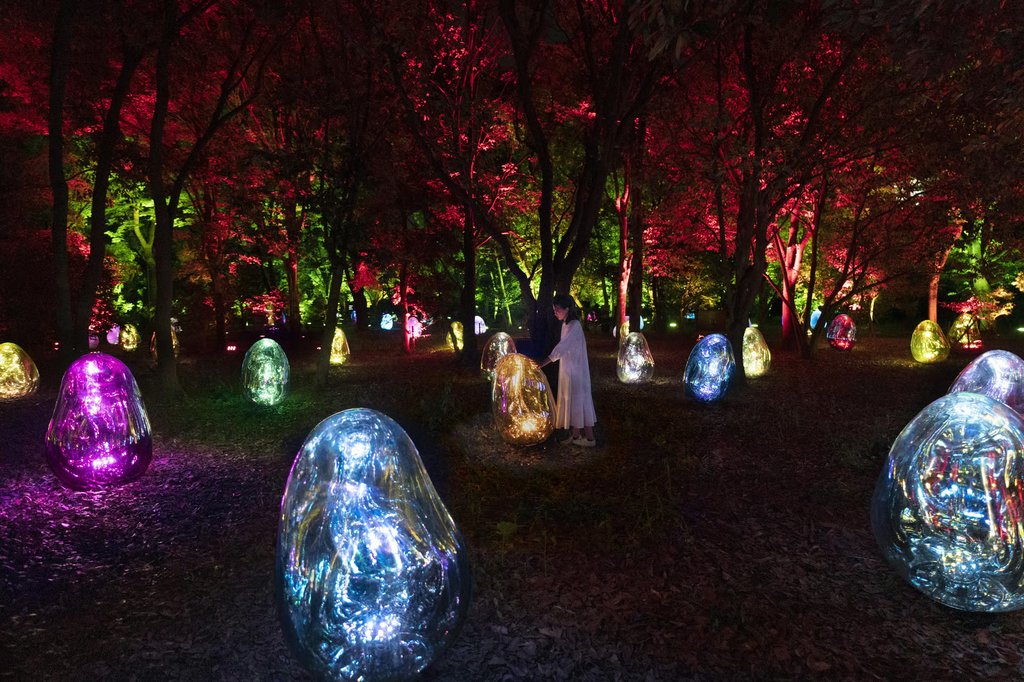
At Nagai Botanical Garden, teamLab Botanical Garden Osaka transforms nature into digital art after dark. Spanning 240,000 square meters (around 59.3 acres, or roughly five times the size of Tokyo Dome), the concept is simple: nature becomes art.
For example, in the Forest of Autonomous Resonating Life exhibit, glowing egg-shaped spheres shift color and sound as you move or as the wind blows, and nearby spheres respond in kind. Sculptures of Dissipative Birds in the Wind is a massive interactive piece that uses projection mapping and sensory technology to visualize birds in flight.
Watch the colors shift when you touch the spheres and snap photos of yourself as part of the art. This is nothing like a conventional museum.
Details
| Address | 1-23 Nagai Park, Higashisumiyoshi-ku, Osaka |
| Travel Time from Kyoto Station | Approx. 1 hr 10 min (Kyoto Station → Osaka Station → Nagai Station + walk) |
| Hours | 6:00pm–9:30pm (last entry 8:30pm) |
| Closed | Irregular (check official website) |
| Recommended for | Art lovers, those seeking Instagram-worthy moments |
| Official Website | https://www.teamlab.art/jp/e/botanicalgarden/ |
Ghibli Park
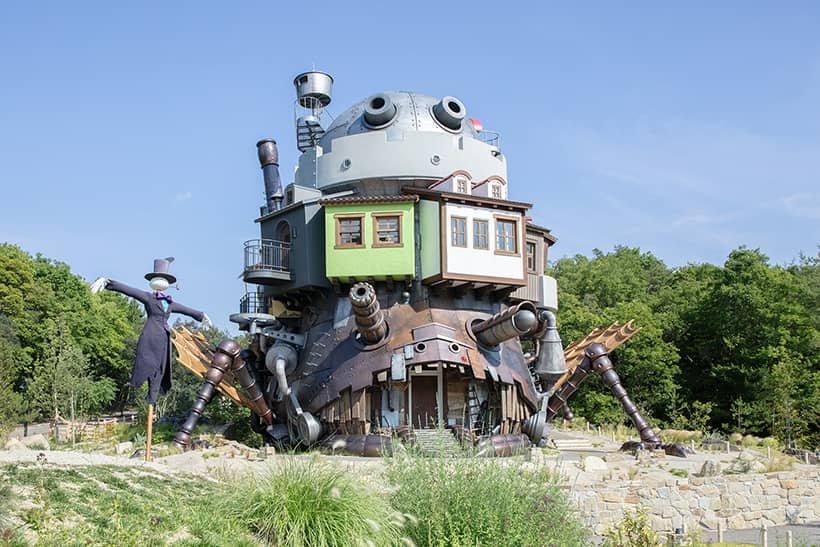
Ghibli Park in Nagakute City lets you step into the Studio Ghibli films with all five of your senses.
Five areas make up the park:
- Ghibli’s Grand Warehouse: The park’s central area, featuring interactive and video exhibits that bring the worlds of Studio Ghibli’s films to life
- Hill of Youth: An area featuring a recreation of the Earth Shop from the film Whisper of the Heart, capturing the story’s atmosphere
- Dondoko Forest: A nature-surrounded area with Dondoko-do (a forest cabin) at the summit, offering a space to relax freely in the forest
- Mononoke Village: An area with Japanese ambiance, recreating the Emishi village and ironworks from Princess Mononoke
- Valley of Witches: An area where you can explore the worlds of Kiki’s Delivery Service and Howl’s Moving Castle, featuring iconic buildings like the Gutiokipanja Bakery and Howl’s Castle
Tickets are by reservation only, so make sure to book ahead on the official website.
Details
| Address | 1533-1 Ibaragabasama-otsu, Nagakute City, Aichi Prefecture |
| Travel Time from Kyoto Station | Approx. 1 hr 40 min–2 hr (Kyoto Station → Nagoya Station → Fujigaoka Station → Linimo → Expo 2005 Aichi Commemorative Park Station + walk) |
| Hours | Weekdays 10:00am–5:00pm; Sat/Sun/Holidays 9:00am–5:00pm |
| Closed | Tuesdays (or the following weekday, if Tuesday is a holiday) |
| Recommended for | Ghibli fans, families with children, those seeking art discoveries |
| Official Website | https://ghibli-park.jp |
Arima Onsen
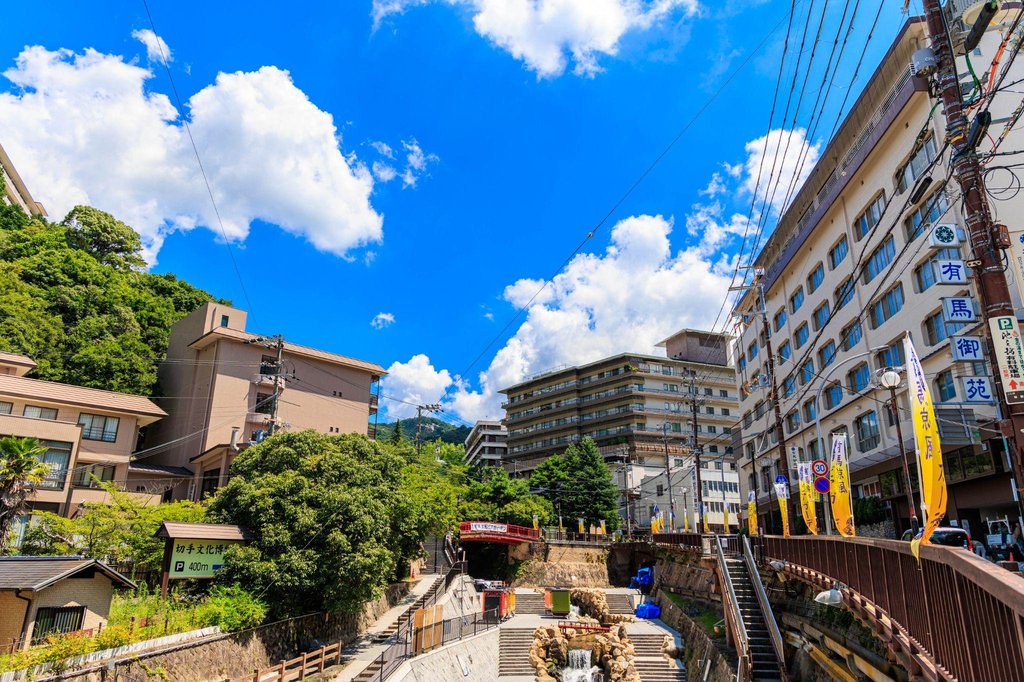
One of Japan’s three oldest hot spring resorts, Arima Onsen has been a top destination for over 1,300 years.
What makes Arima special? You can soak in two completely different hot springs in one visit. Kinsen (the Gold Spring), is rich in iron and salt—turning the water reddish-brown—and warms you to the bone. Ginsen (the Silver Spring) is colorless and clear, offering a refreshing bathing experience.
Steam rises from wooden baths as you wander the resort’s cobblestone lanes. You can even stop for crispy rice crackers and fizzy old-fashioned cider. Wander the charming streets and soak in legendary waters—Arima is the place to immerse yourself in Japanese hot spring culture.
Details
| Address | Arima-cho, Kita-ku, Kobe City, Hyogo Prefecture |
| Travel Time from Kyoto Station | Approx. 1 hr 30 min–2 hr (Kyoto Station → Osaka Station → Sannomiya Station → Arima Onsen (bus)) |
| Hours | Varies by facility |
| Closed | Varies by facility |
| Official Website | https://www.arima-onsen.com/ |
| Recommended for | Those seeking hot spring relaxation, those who want to stroll through a hot spring resort village |
FAQ
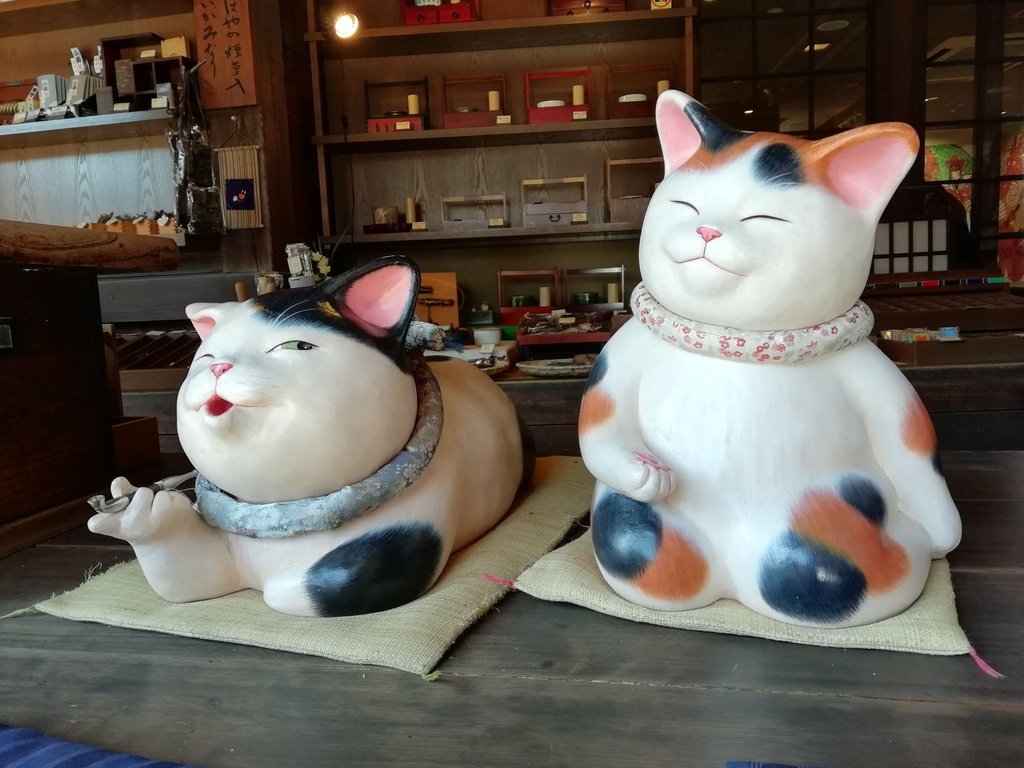
Got questions about day trips from Kyoto? Here are answers to the most common queries, so make sure to skim these before you head out.
Can I Use a JR Pass for Day Trips from Kyoto?
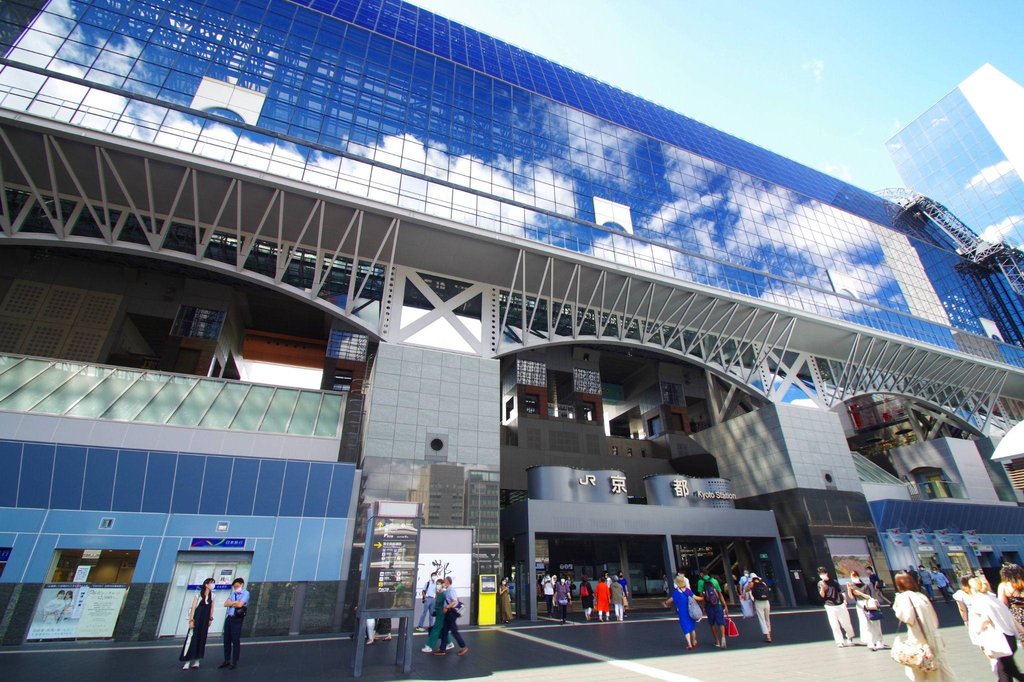
For day trips from Kyoto and across Kansai—all the way to Okayama, Wakayama, or Kinosaki Onsen—the Kansai WIDE Area Pass (a train pass available from JR-West) is a smart buy for international visitors.
It’s available to anyone with a non-Japanese passport, is valid for 5 days, and it costs ¥12,000 for adults and ¥6,000 for children.
As of December 1, 2025, the coverage area has expanded, making day trips to Tottori more accessible.
What are the Best Destinations for Families with Kids?
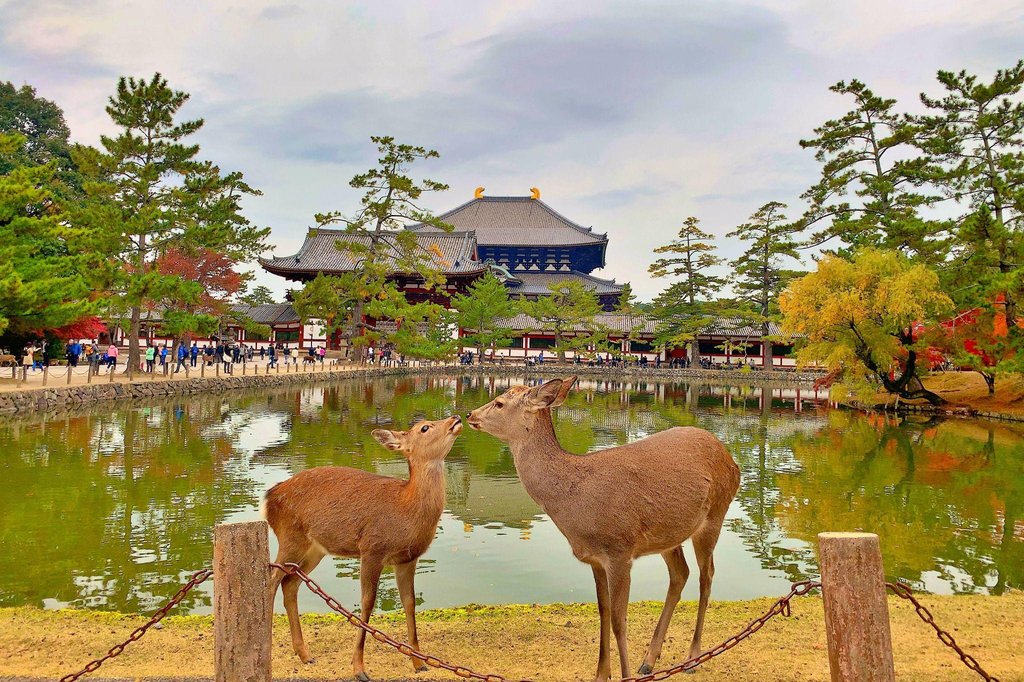
When travelling with kids, we recommend looking for venues that offer interaction with animals and hands-on fun.
Top picks from this list include: feeding the deer at Nara Park or watching the whale sharks at Osaka Aquarium Kaiyukan. Sumo Studio Osaka and teamLab Botanical Garden Osaka work great on rainy days, too.
To keep travel easy, stick to spots within an hour from Kyoto—Osaka and Kobe are ideal. Dotonbori in Osaka has plenty of kid-friendly restaurants and rest spots.
For excursions into nature, Amanohashidate and Mount Yoshino deliver gorgeous seasonal views. At Arima Onsen, the whole family can stroll the streets and dip tired feet in the ashiyu, or foot baths.
What Spots Can I Visit in Half a Day?
You can still squeeze in a rewarding day trip, even if you’re short on time.
Osaka works well on a schedule of 4 or 5 hours (travel time included).
Dotonbori and Shinsekai are compact enough to explore in a morning or afternoon, leaving plenty of time for tasting street food and sightseeing. Travelling from Kyoto to Osaka takes about 30 minutes, with easy connections to various areas of the city from there.
If you leave Kyoto in the morning, you can be in Osaka by lunchtime. Even if you leave for Osaka in the afternoon, you’ll still have plenty of time to grab dinner there before heading back to Kyoto.
Can I Make a Day Trip from Kyoto to Tokyo?
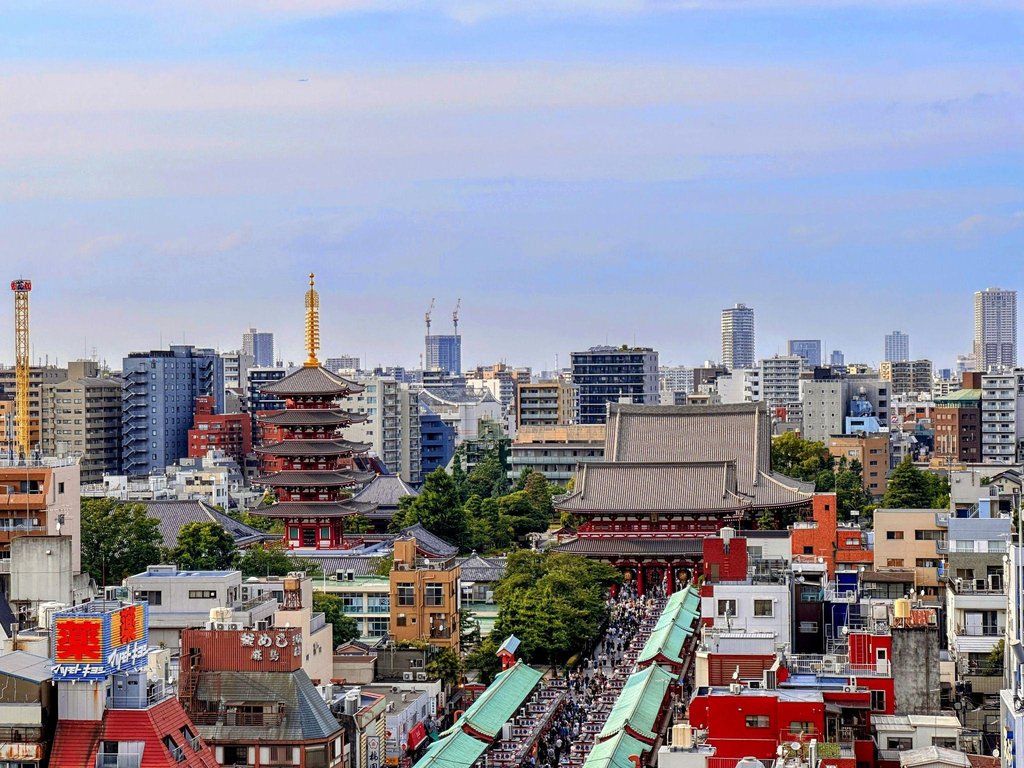
Technically yes, but honestly? It’s not worth it.
The Nozomi Shinkansen takes about 2 hours 15 minutes each way—4.5 hours of your day melts away just riding the trains. And at around ¥27,000 per person, round-trip reserved seats aren’t cheap.
Even if you leave Kyoto at 6 am and catch a 9 pm train back, you’d still only have about 12 hours in Tokyo. You’d be exhausted and rushing—not the best way to see Tokyo.
Our recommendation is to stick to the destinations in this guide—Osaka, Nara, Kobe—for a far more rewarding day.
Plan Your Perfect Day Trip from Kyoto
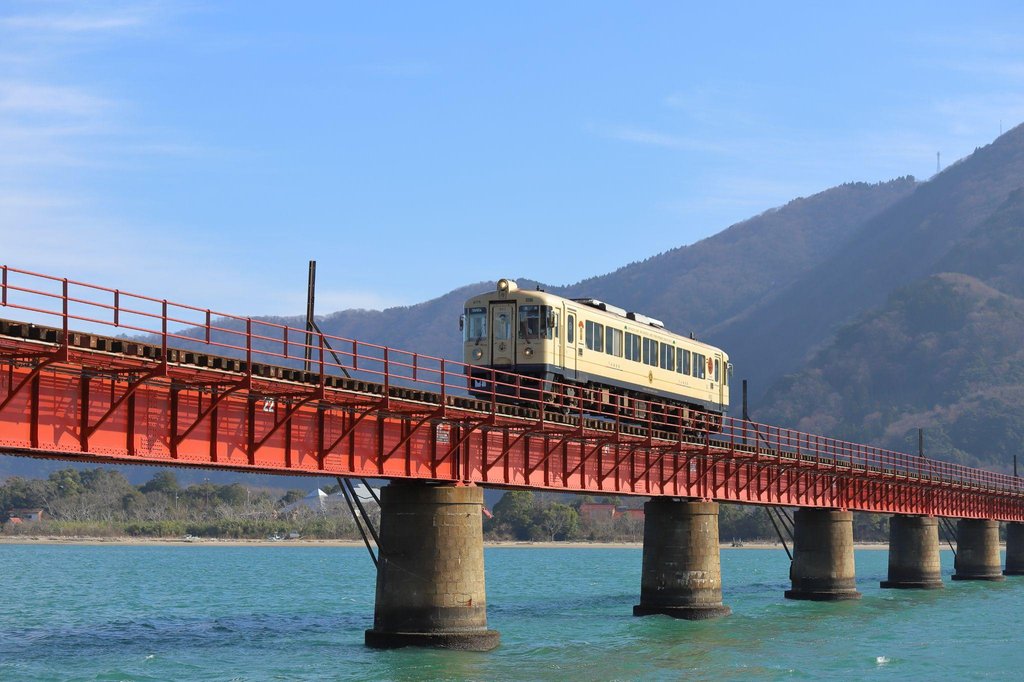
Day trips from Kyoto unlock a world of possibilities across the Kansai region of Japan.
Nara and Osaka—both under an hour away by train—are good choices, especially for first-timers. Go a bit further and you’ll find places with their own singular appeal, such as Sumo Studio Osaka, Himeji Castle, Amanohashidate, and Arima Onsen.
Once you’ve picked the destination that matches your style, all that’s left is to head out and start exploring!