Is Osaka Worth Visiting? An Honest Guide to Deciding if Osaka Fits Your Japan Trip
Is Osaka worth visiting? If you’re planning your first trip to Japan, this question has likely crossed your mind.
The short answer is yes: Osaka is absolutely worth visiting. Known as “Japan’s Kitchen” for its food culture, convenient sightseeing places located close to one another, affordable prices, and famously friendly locals, Osaka offers a distinctive character you won’t find in other Japanese cities.
However, if your time is limited or you’re seeking quiet, traditional Japanese experiences, you’ll likely enjoy Kyoto or other cities more.
Here are five compelling reasons to visit Osaka, plus honest advice on when you might want to skip it. We’ll also walk you through the best neighborhoods, sample itineraries, and ideal times to visit.
Contents
5 Reasons Osaka is Worth Visiting
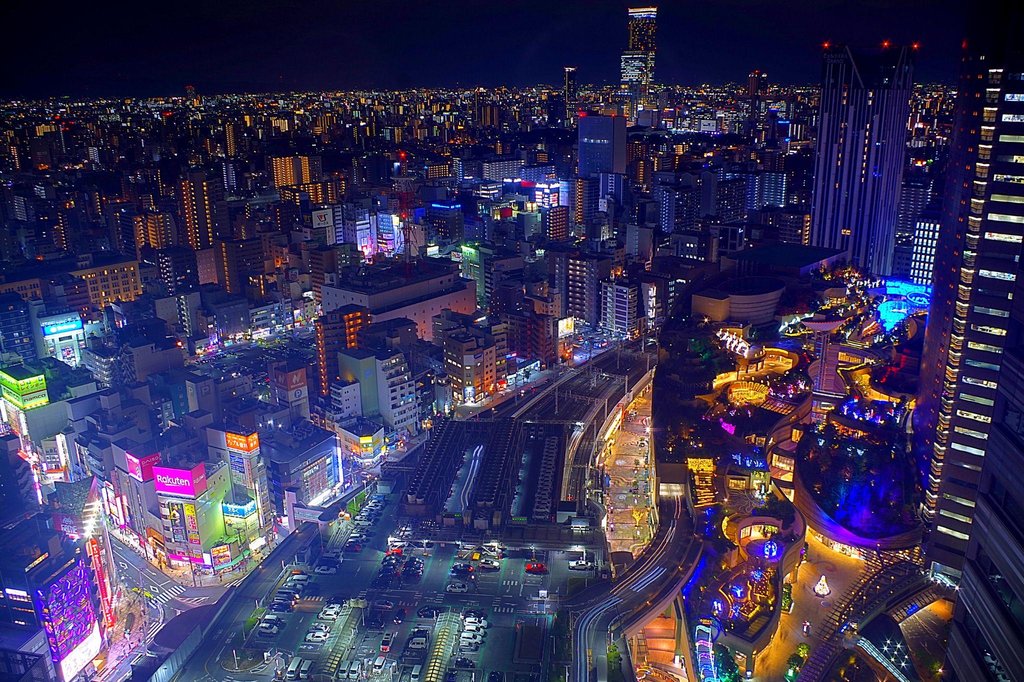
From legendary street food to friendly locals and wallet-friendly prices, here’s what makes Osaka a must-visit destination.
1. Experience Japan’s Extravagant Food Culture
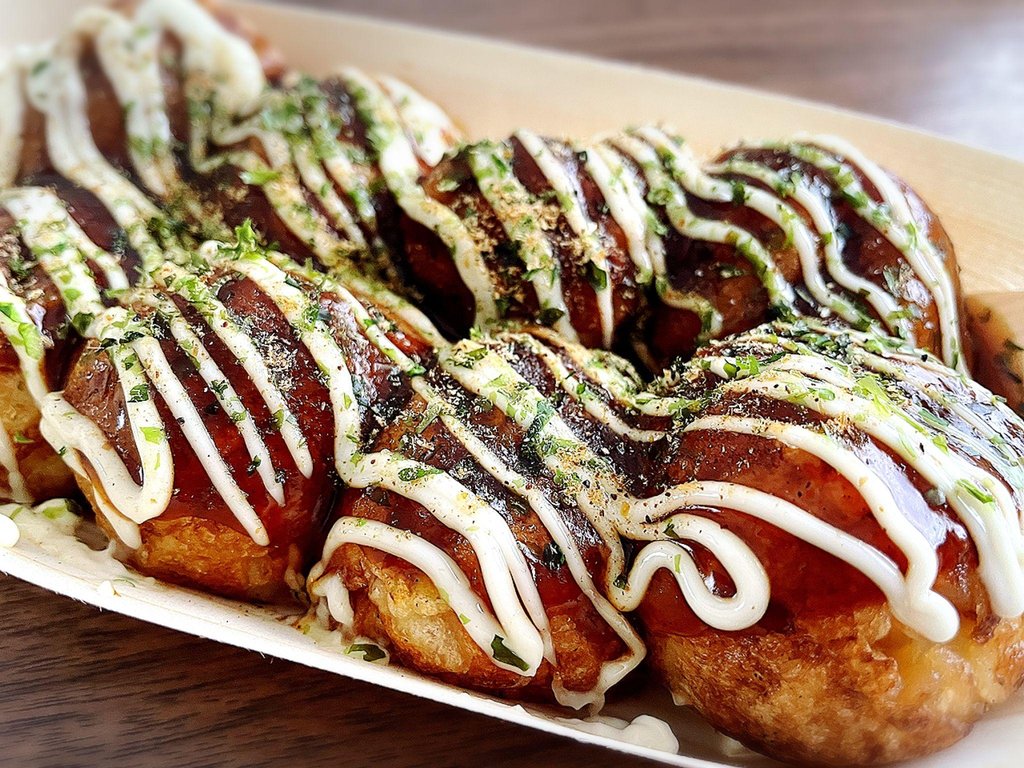
Osaka has flourished as a distribution hub where ingredients from across Japan have gathered since the Edo period, earning it the title “Japan’s Kitchen.” Behind this rich food culture lies the concept of kuidaore, meaning to eat and drink so extravagantly that you ruin yourself financially, embodying the city’s philosophy of enjoying food to the fullest.
When visiting Osaka, be sure to try these beloved local comfort foods:
- Takoyaki (octopus balls): Originating in Osaka, takoyaki is made by cooking a small piece of octopus in a wheat flour batter using special round molds. Bite through the crispy shell to find a creamy, almost molten center—this contrast of crispy and gooey can be addictive.
- Okonomiyaki (savory pancakes): One of Osaka’s soul foods, okonomiyaki is made by mixing wheat flour with broth, cabbage, and egg, then grilling it and topping it with sauce and dried bonito flakes. The freedom to customize ingredients to individual tastes adds to its popularity.
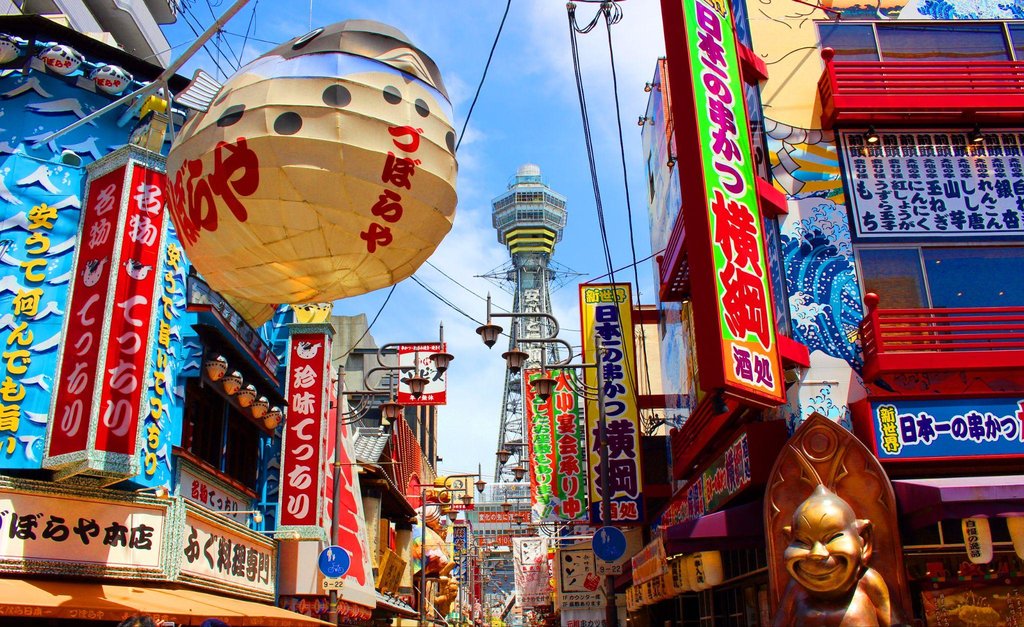
- Kushikatsu (deep-fried skewers): These feature various ingredients like meat and vegetables that are skewered, battered, and then deep-fried. Born as working-class food in the Shinsekai district, the rule of “no double-dipping” in the communal sauce is a uniquely Osaka food custom.
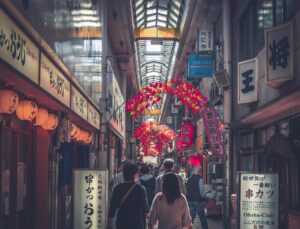
You can also explore the lively Kuromon Market to expand your culinary experience further.
2. Major Attractions in One Compact Area
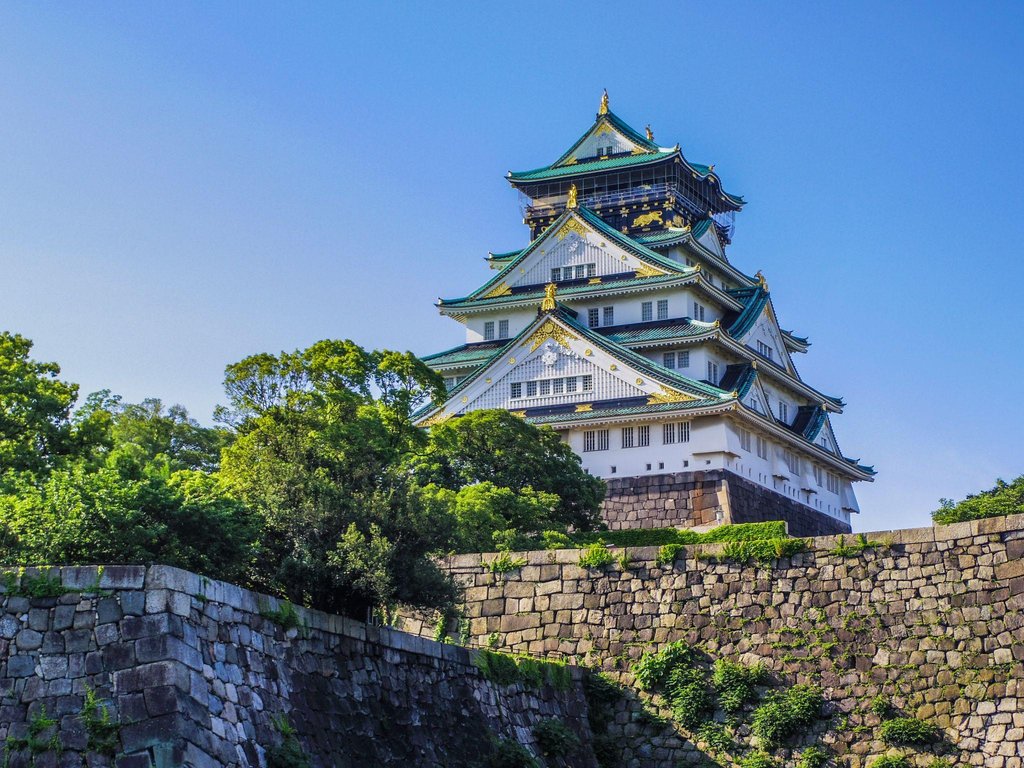
Osaka’s tourist attractions are conveniently clustered, allowing diverse experiences even with limited time.
For example, Universal Studios Japan (USJ) is just 11 minutes from JR Osaka Station, and Tsutenkaku Tower and Dotonbori are only a few minutes away from each other by subway.
Major spots like Osaka Castle, Dotonbori, and Shinsaibashi are connected by subway and JR lines, allowing you to enjoy sightseeing without worrying about travel time.
The smart use of discount passes makes both transportation and sightseeing smoother, too:
- Osaka Amazing Pass: Unlimited subway and city bus rides, plus free or discounted admission to about 40 facilities
- Osaka e-Pass: A sightseeing pass that allows entry to facilities by presenting a QR code
With minimal travel hassle, ambitious itineraries become easily achievable, such as visiting Osaka Castle in the morning, enjoying street food in Dotonbori in the afternoon, and shopping in Umeda at night.
Many areas offer multiple attractions within walking distance, making Osaka a welcoming destination for first-time travelers and families alike.
3. Better Value Than Tokyo
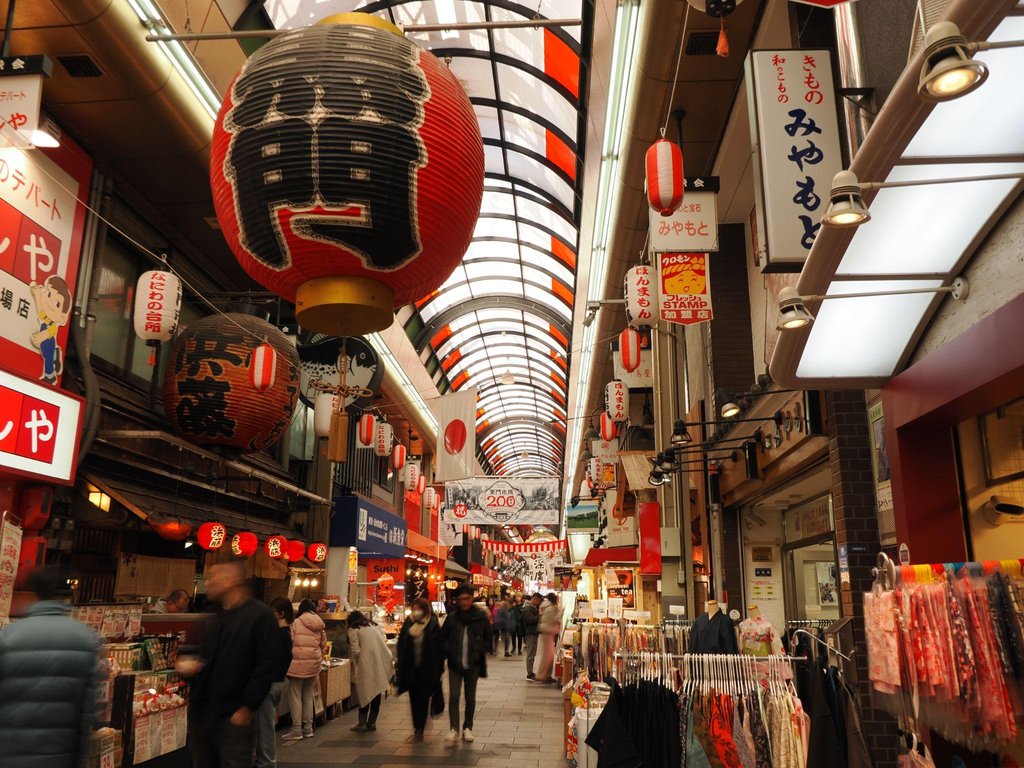
One of Osaka’s great appeals is that its prices are generally lower and therefore has better cost performance when compared to Tokyo.
Using accommodation fees as an example, Osaka’s average nightly rate is approximately ¥7,765,* making it easier to find hotels at more affordable price points than Tokyo’s major areas.
*Source: Osaka Prefecture “FY2024 Osaka Prefecture Accommodation Survey” Average accommodation rate (2023)
The affordability of meals and everyday expenses is also notable.
Osaka has a long-standing culture of “cheap and delicious,” with dining prices being generally reasonable across the board.
Signature dishes like takoyaki and okonomiyaki can be enjoyed for just a few hundred yen, allowing satisfying food experiences while keeping costs down.
For travelers wanting a fulfilling trip on a limited budget, Osaka is an extremely attractive option.
4. Osaka’s Unique Friendliness and Energy
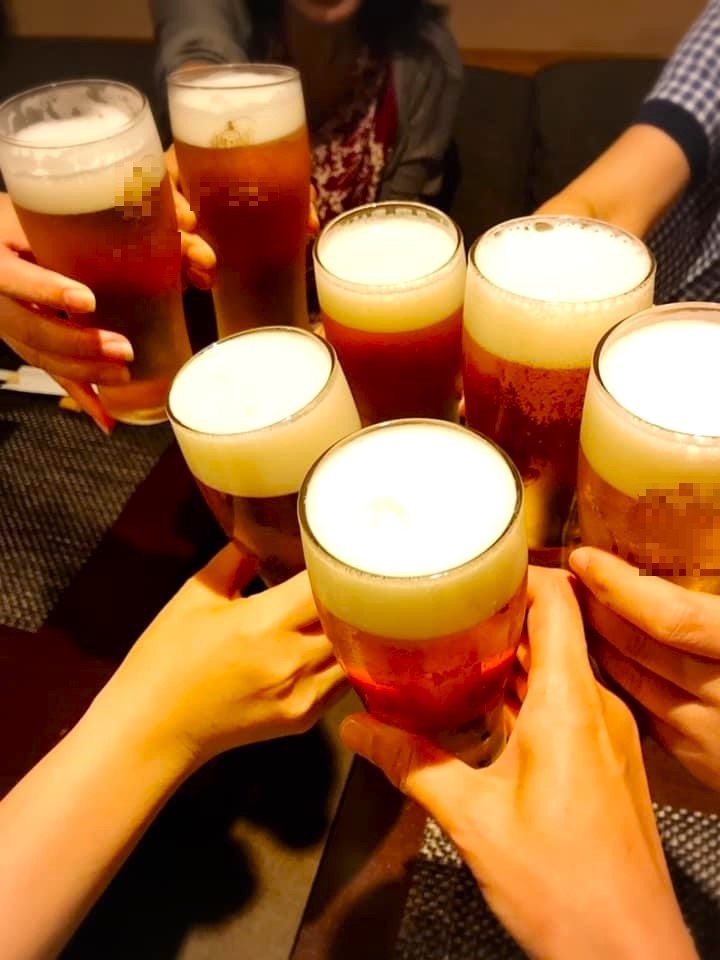
Osaka is known for its distinctive friendliness and energy.
Walking through Dotonbori or Kuromon Market, shopkeepers may strike up casual conversations with you, and you might encounter the famous Osaka obachan (kind old lady) offering you candy.
This warm, personable interaction is a special draw that’s hard to find in Tokyo or Kyoto, and the laughter of people in the streets and humor-filled conversations naturally lift visitors’ spirits.
In fact, Osaka ranked first in the 2025 Global Tourism City Attractiveness Index.
For travelers who value human connection over mere sightseeing, Osaka offers friendly experiences that are hard to replicate elsewhere.
5. Rich Entertainment and Hands-On Experiences
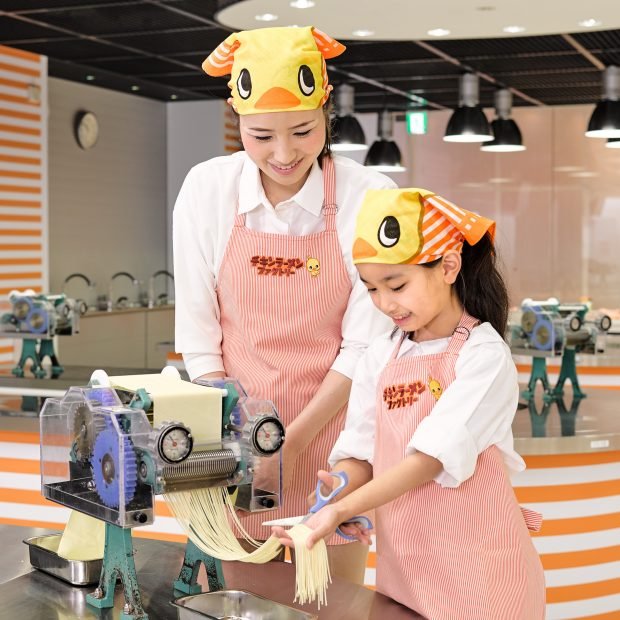
Osaka is packed with entertainment facilities for all ages, including world-famous theme parks and interactive museums.
Universal Studios Japan (USJ) stands out with attractions that immerse you in the worlds of movies and popular seasonal shows and events.
Interactive experiences are equally diverse:
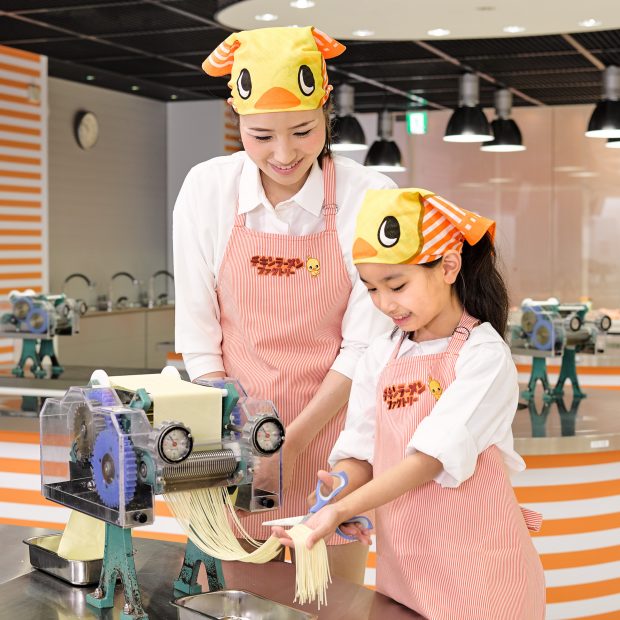
- Cup Noodles Museum Osaka Ikeda: Create your own original Cup Noodles or make Chicken Ramen by hand
- teamLab Botanical Garden Osaka: A botanical garden that transforms into an illuminated art space after dark
Osaka offers an abundance of activities in which visitors can participate and engage.
Sumo Studio Osaka: Authentic Sumo Up Close
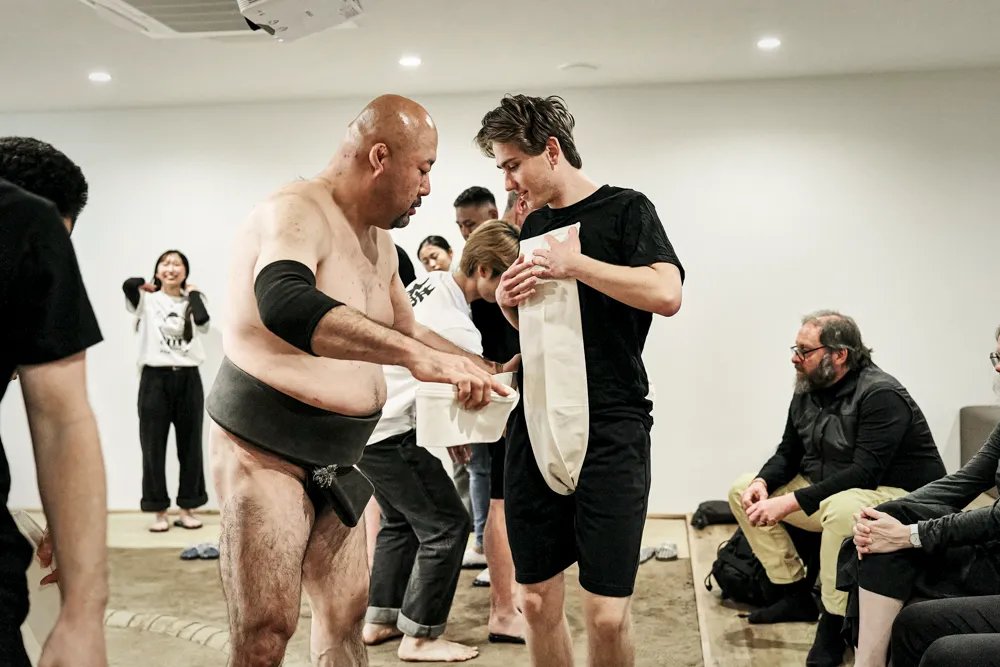
For an authentic sumo experience in Osaka, don’t miss Sumo Studio Osaka.
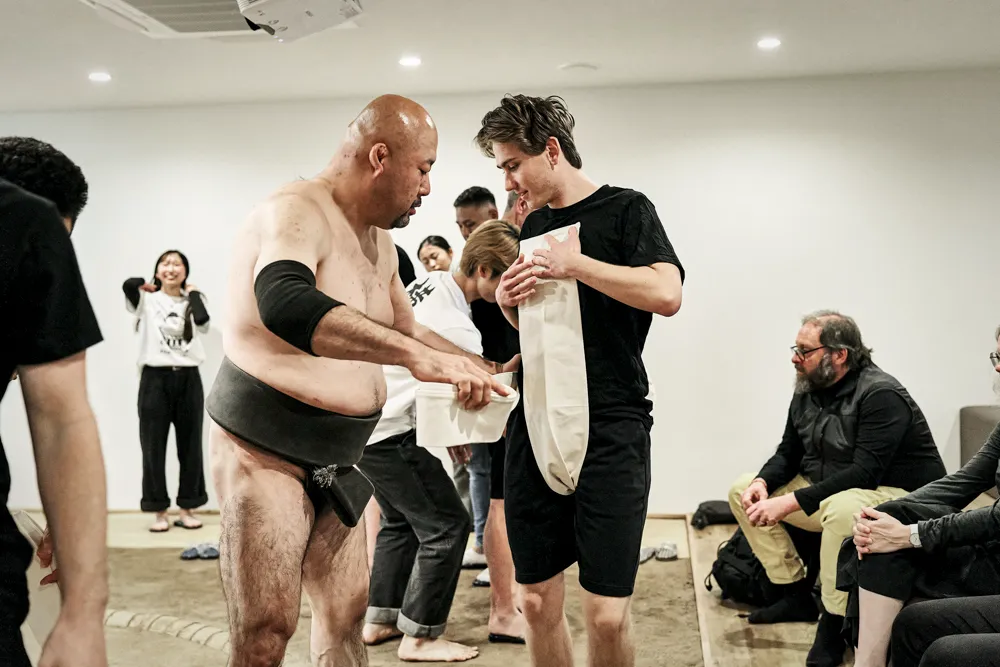
This intimate facility offers 90-minute interactive sumo shows performed by former professional sumo wrestlers, with a maximum capacity of 50 guests. Watch authentic sumo only meters away from your seat while receiving English explanations of sacred rituals like shio-maki (the throwing of salt), shiko (ritual leg stomping), and tachiai (the initial charge that signals the beginning of the match), as well as sumo’s history and its connections to Shinto.
The main attraction is the Audience Challenge, where willing participants can enter the ring and challenge a wrestler. After the show, there’s time for commemorative photos with the athletes, and the facility includes a bar where you can relax with beer or umeshu (Japanese plum wine) before or after the show.
Conveniently located just 10 minutes by train from Namba Station and directly in front of Hanazonocho Station, Sumo Studio Osaka has earned high ratings from over 100 Google reviews. Visitors seeking hands-on cultural experiences should definitely consider this venue.
Details
| Address | 1F Hanazonocho AI Building, 1-5-1 Asahi, Nishinari-ku, Osaka |
| Hours | 10:00 am – 11:30 am / 12:30 pm – 2:00 pm / 3:00 pm – 4:30 pm / 5:30 pm – 7:00 pm / 8:00 pm – 9:30 pm (5 shows daily, 90 min each) |
| Closed | Open year-round |
| Recommended For | Families with curious children who want to interact with real sumo wrestlers |
| Website | https://sumowrestlingshow.jp/ |
When it’s Okay to Skip Osaka
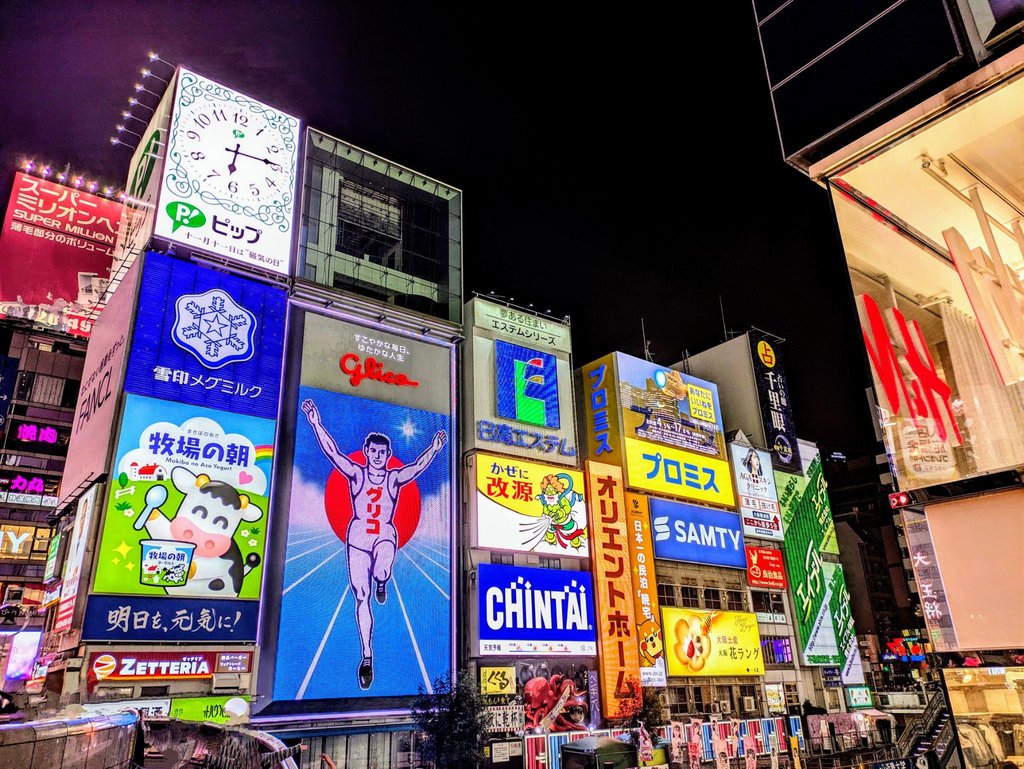
Osaka is not ideal for every traveler. Depending on your travel style and priorities, skipping Osaka to spend more time in other cities may result in a more satisfying trip.
If Your Stay Is Short
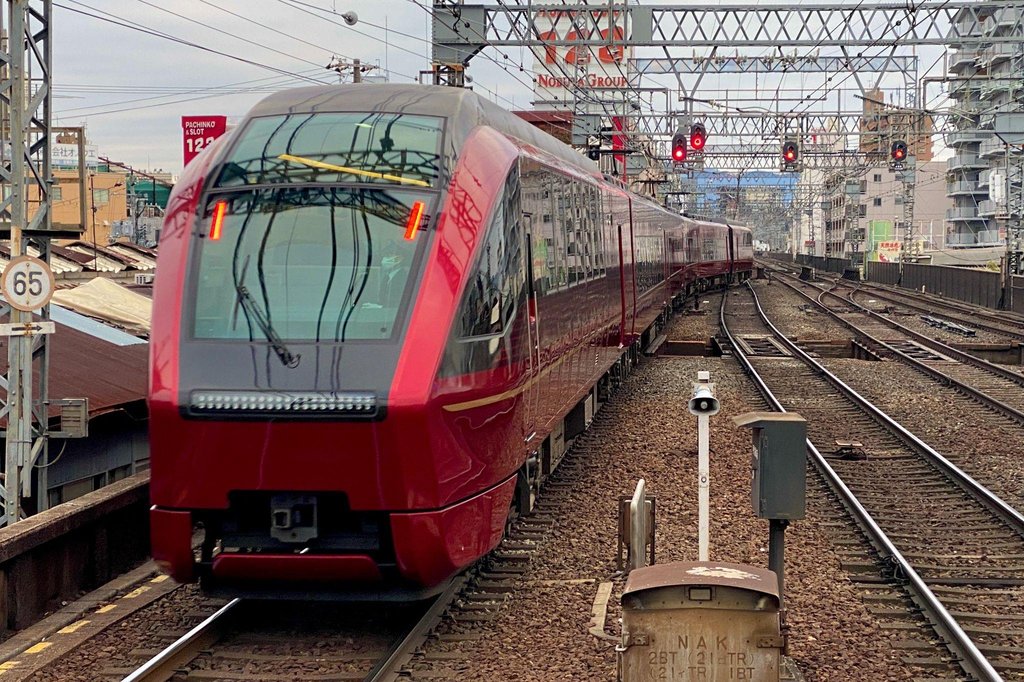
For short trips of three days or less, focusing on Tokyo or Kyoto might feel more rewarding than trying to add Osaka to your schedule.
Travel from Tokyo to Kyoto takes between approximately 2 hours 15 minutes to 2.5 hours by bullet train, while the trip to Osaka takes between 2.5 and 3 hours.
Trying to cover multiple cities on a tight schedule means losing most of a day just to travel. When considering transit time, these approaches are more efficient:
- Tokyo only: Spend 1-2 hours thoroughly exploring each major spot like Asakusa, the Imperial Palace, and Tokyo Tower
- Kyoto only: Get an intense cultural experience by allowing 1-1.5 hours at each Kinkakuji, Kiyomizudera, and Fushimi Inari Shrine
- Tokyo + Kyoto: Efficiently cover 3-4 major sites in both cities over the course of two days and one night
While Osaka attractions also typically require 0.5-1.5 hours each, you should factor in an average of 30 minutes to 1 hour for travel between locations.
Rather than spending limited time constantly in transit, focusing on one or two cities at a relaxed pace can create more memorable travel experiences.
If You Prefer Quiet, Traditional Experiences
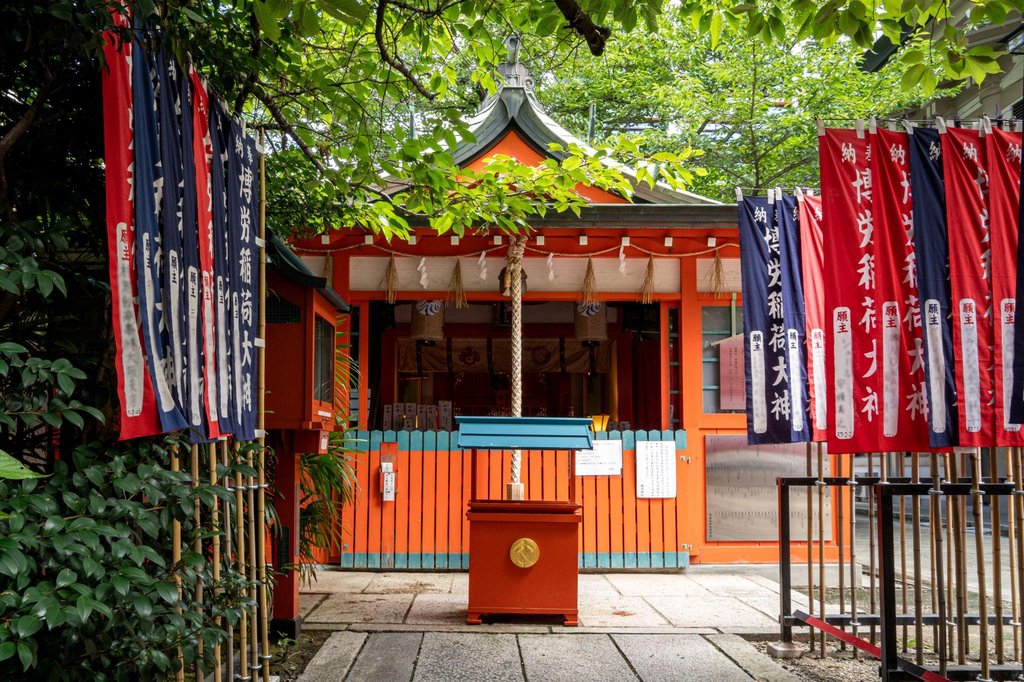
If you’re seeking quiet experiences of traditional Japan, calmer cities like Kyoto or Kanazawa might suit you better.
Kyoto has well-preserved temples, shrines, and traditional streetscapes, as well as abundant, peaceful walking routes. The city’s tourism promotion plan emphasizes the preservation of historical culture and sustainable tourism, with initiatives promoting quiet, traditional experiences through tourism etiquette guidelines.
Hida Takayama and Kanazawa also offer appealing traditional townscapes and cultural experiences, with local tourism websites providing extensive information about historical districts and traditional crafts.
Within Kyoto Prefecture, districts that preserve nature and tradition—such as Umi no Kyoto, Mori no Kyoto, and Ocha no Kyoto—offer opportunities to experience Japanese culture in even quieter settings.
Osaka’s energy as “Japan’s Kitchen” and its commercialized streetscapes may feel less authentic to travelers seeking the “real Japan.” If traditional, tranquil Japanese experiences are your priority, consider skipping Osaka and focusing on other regions.
If You Prefer Nature Over Big Cities
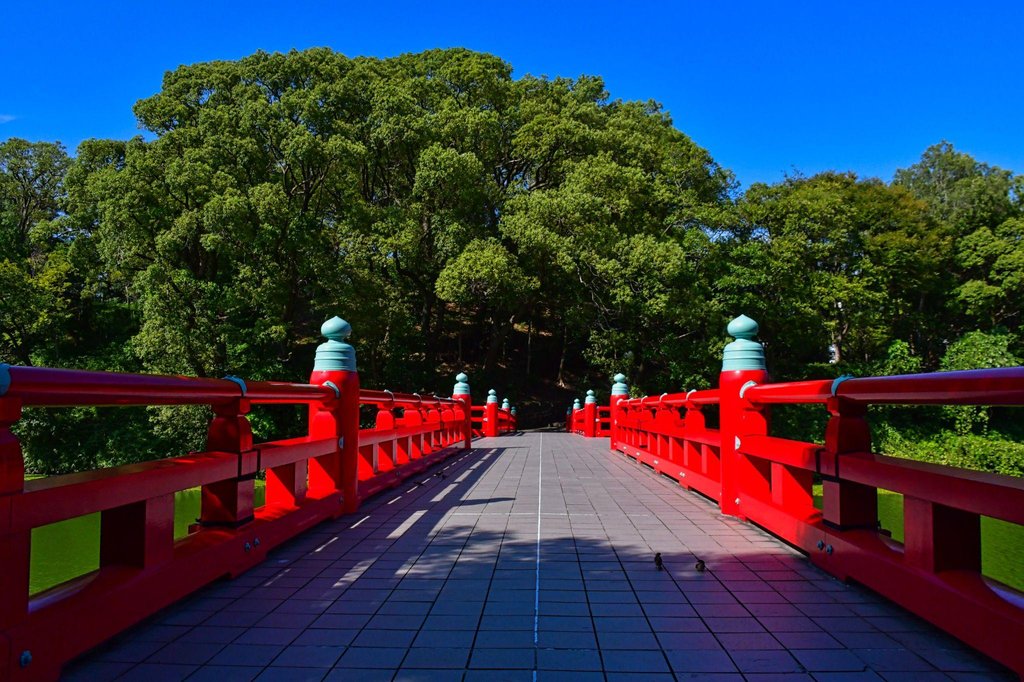
If you want to escape the urban bustle and experience Japan’s rich nature and regional cultures, you might find other destinations more fulfilling.
Seeing Hokkaido’s magnificent wilderness, Okinawa’s beautiful beaches, or walking the henro-michi (pilgrimage routes) of Shikoku are experiences that simply cannot be found in Osaka’s urban centers.
Regional cities also offer distinctive local cuisine and activities in nature. Some examples of things that can only be enjoyed in regional areas include historic Kanazawa’s Kaga cuisine, the scenery of Setonaikai National Park, and rafting on the Yoshino River gorge. Here are a few more scenic highlights and activities from specific regions:
- Hokkaido: The lavender fields of Furano and the old-growth forests of Shiretoko
- Okinawa: Snorkeling in crystal-clear waters and Ryukyu cultural experiences
- Shikoku: The Henro Pilgrimage (consisting of 88 temples) and the valley of Kankakei Gorge
- Kanazawa: Taking part in traditional crafts and enjoying local cuisine featuring Kaga vegetables
While Osaka’s entertainment and food culture are certainly appealing, if your travel theme is “nature” or “rural life,” allocating your time to other regions will help you have a trip without regrets.
Where to Stay in Osaka
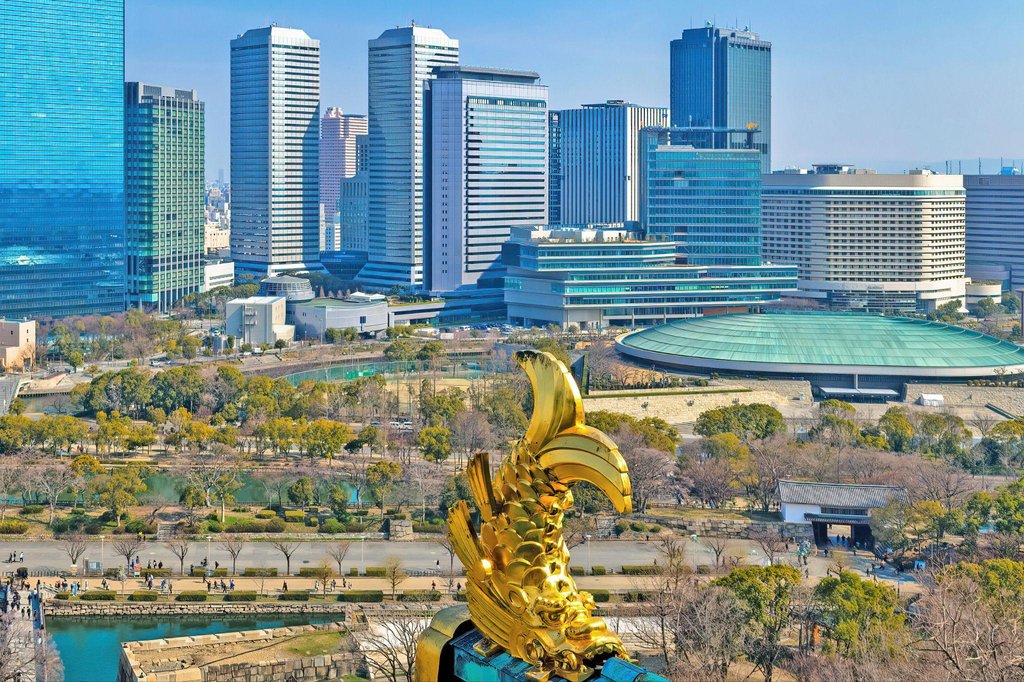
Each area of Osaka offers distinct appeal and convenience, but the optimal choice of where to stay depends on your travel purpose and style.
Namba and Shinsaibashi Area
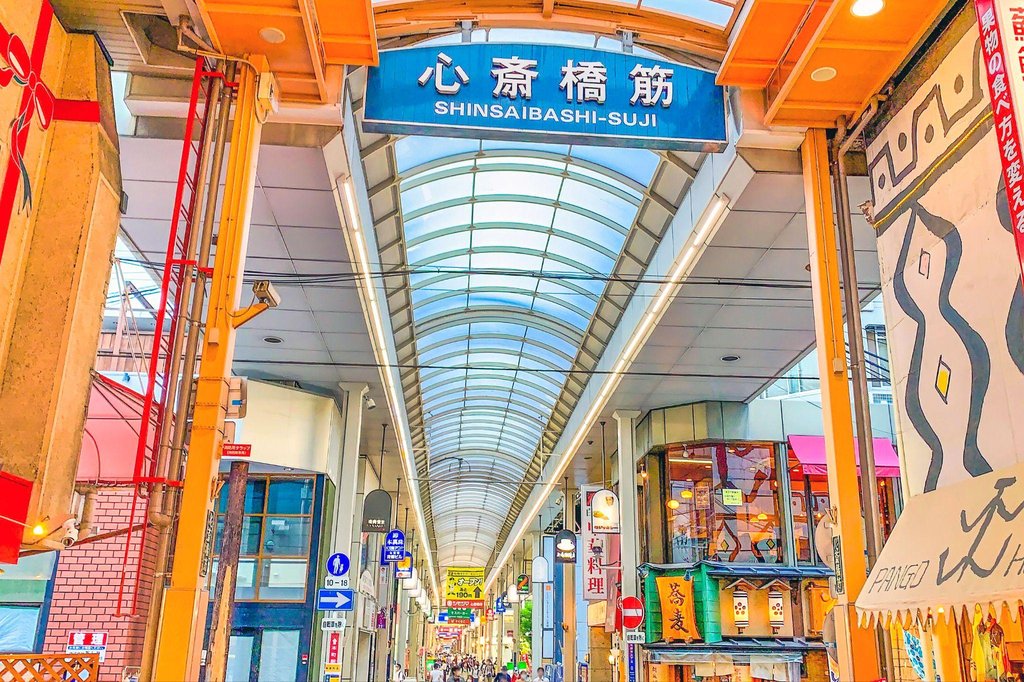
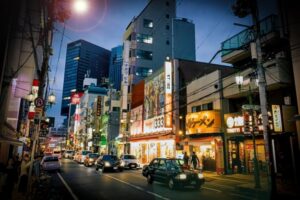
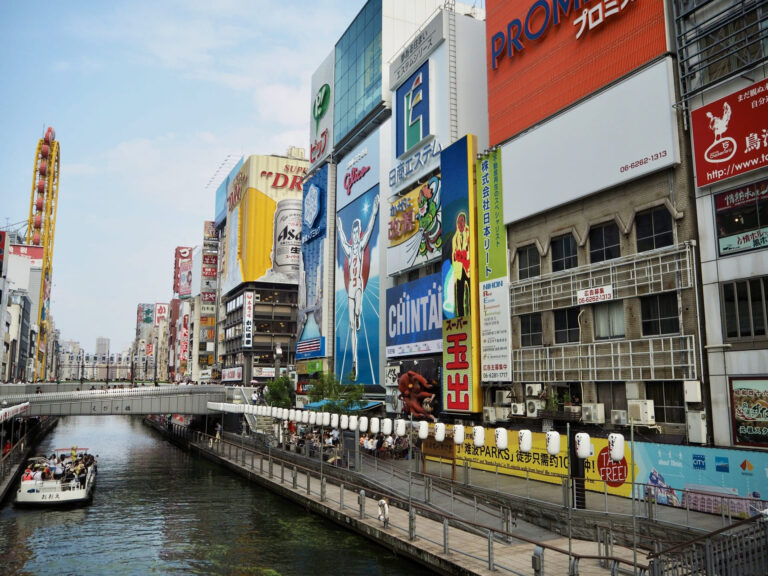
The Namba and Shinsaibashi areas are Osaka’s premier commercial districts.
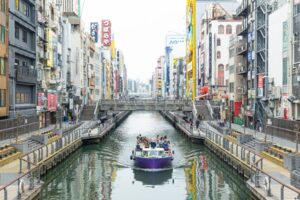
In the center of this area, Dotonbori is iconic for its giant Glico sign and the moving crab sign of Kani Doraku restaurant, offering the quintessential, lively Osaka atmosphere.
Shinsaibashi-suji Shopping Street is an approximately 580-meter arcade lined with diverse shops ranging from fashion to sundries. Amerika-mura (American Village) is a unique area serving as a hub for youth culture, with vintage clothing shops and cafés clustered together.
On the culinary front, the area is known as a treasure trove of comfort food:
- 551 Horai’s butaman (steamed pork buns): Enjoy them fresh at the Namba main store
- Mizuno: An okonomiyaki restaurant with over 70 years of history
- Kogaryu: A takoyaki shop established in 1974
- Kushikatsu Daruma: Offering over 40 varieties of kushikatsu
If you want to enjoy lively street exploration, shopping, and gourmet experiences all in one place, this area is ideal for your base.
Umeda Area
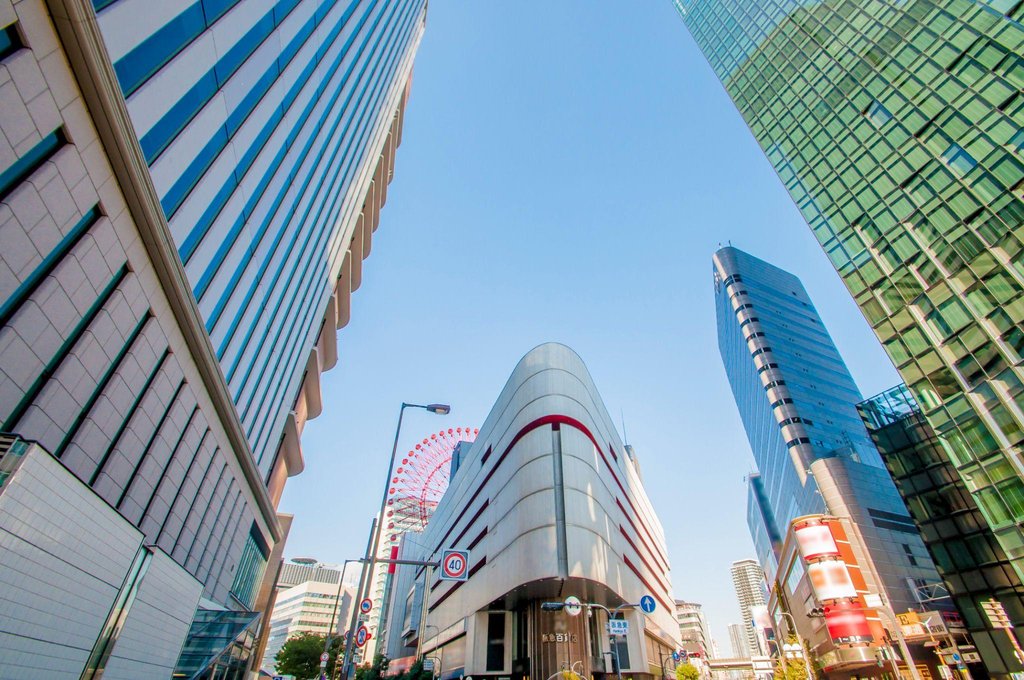
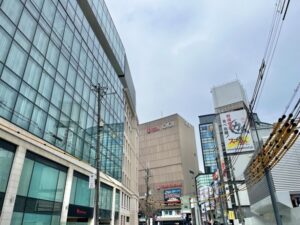
The Umeda area is Osaka’s largest business and commercial district, developed around JR Osaka Station. Urban sophistication and Osaka-style energy coexist here in ways not found in Tokyo or Kyoto.
As a transportation hub, multiple railway lines converge here (JR, subway, and private railways), providing seamless access from Kansai International Airport and Kyoto.
Established department stores like Hankyu Umeda Main Store and Daimaru Umeda offer diverse shops and restaurants from basement level 2 all the way to the top floors, and they’re directly connected to the train station for comfortable access to shopping even on rainy days.
The red ferris wheel at HEP FIVE is a Umeda landmark, and the stores here offer youth-oriented fashion and entertainment.
Compared to Namba’s bustling energy, Umeda has a more adult atmosphere with refined sensibilities, making it a good choice for travelers seeking efficient transportation and high-quality experiences.
Tennoji Area
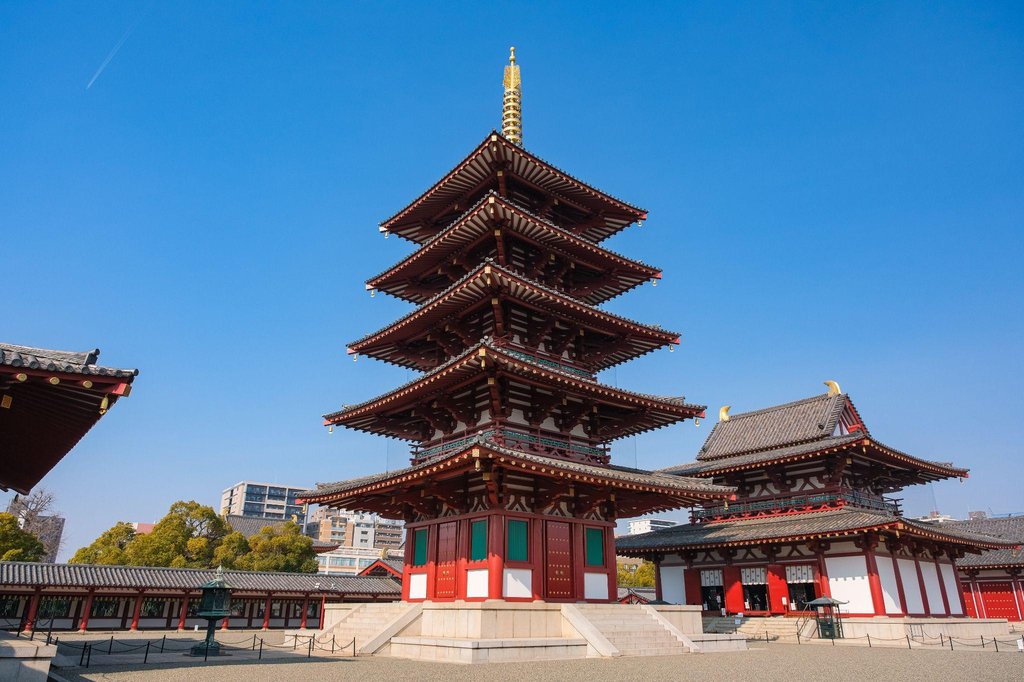
The Tennoji area masterfully blends historical architecture with modern facilities, making it our recommendation for families.
At the center of this area stands Shitennoji Temple—Japan’s oldest state-established temple—founded by Prince Shotoku in 593. Approximately 500 National Treasures are housed within its expansive 110,000-square-meter grounds.
Adjacent to Shitennoji Temple is Tennoji Zoo, spanning approximately 11 hectares and housing close to 1,000 animals from 170 species. The zoo has affordable admission of ¥500 for adults and ¥200 for elementary and junior high school students. Interactive exhibits like the reptile house and penguin park are popular, with children’s workshops and bird-watching events held regularly.
The area’s calm atmosphere—where tourism and daily life coexist—is another draw. The Tennoji area is less crowded than Namba, and it’s ideal for those wanting to enjoy Osaka at a relaxed pace.
Bay Area
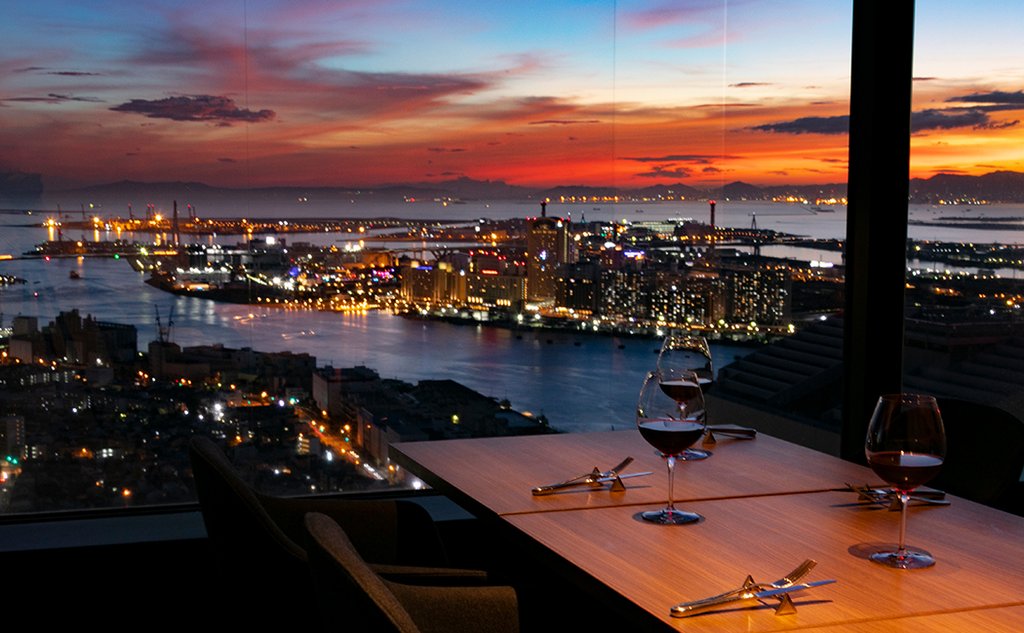
The Bay Area is home to world-class entertainment facilities like Universal Studios Japan (USJ) and Osaka Aquarium Kaiyukan, both offering extraordinary experiences and opportunities for relaxation.
Here you can enjoy unique Osaka adventures amid the open waterfront atmosphere.
Major Bay Area attractions include:
- Universal Studios Japan (USJ): Featuring areas and attractions designed in collaboration with Minions and Nintendo characters, USJ offers a taste of Japan’s character-driven entertainment scene
- Osaka Aquarium Kaiyukan: One of the world’s largest aquariums, it recreates the Pacific Rim ocean environment and features a breeding exhibit of (endangered) tufted puffins
- Osaka Bay Tower and ATC: Commercial complexes with extensive shopping and dining options
For families, this is a great area where you can spend an entire day without getting bored.
Planning Your Osaka Trip
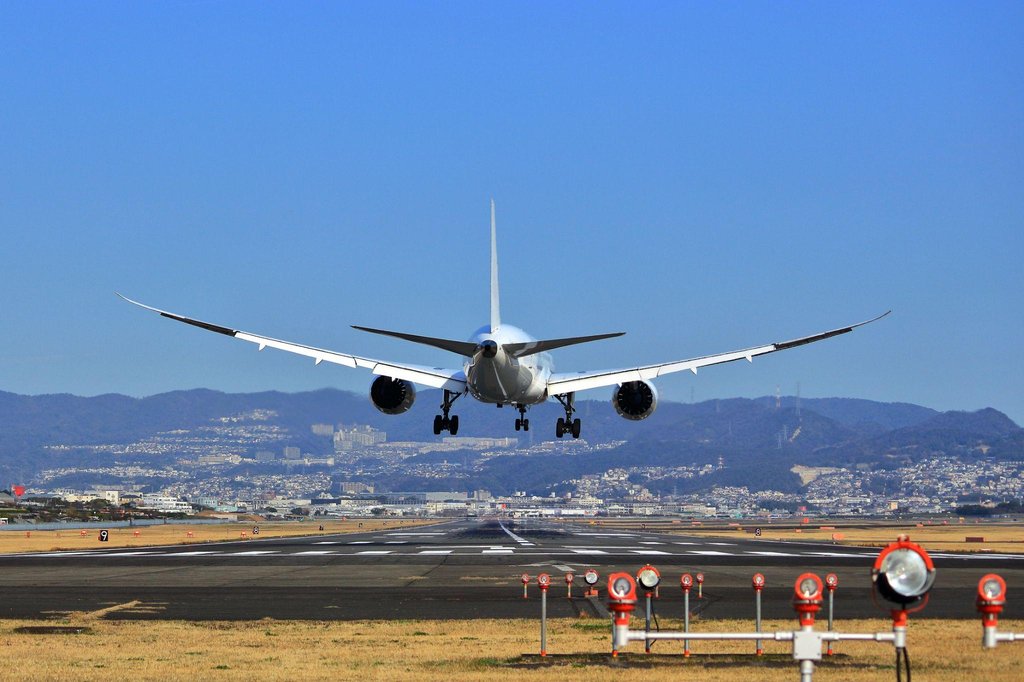
Planning a great trip in Osaka comes down to three things: how long you plan to stay, your budget, and when you want to go.
How Many Days Do You Need?
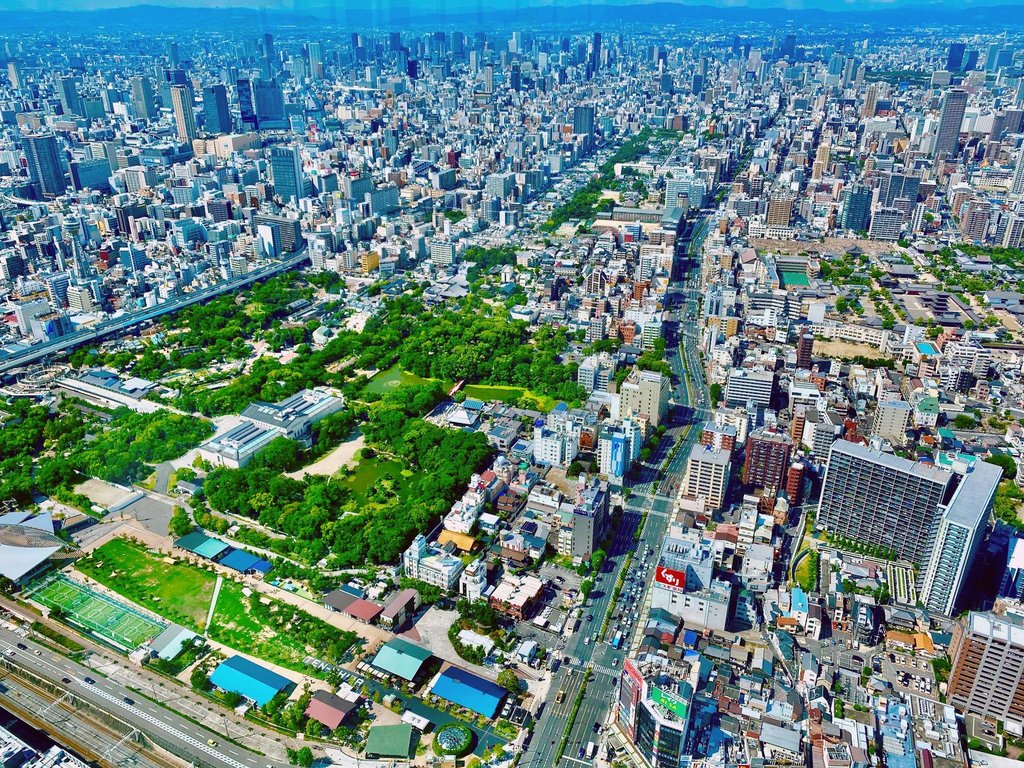
How long should you stay? That depends on your travel style.
If you plan to hit up only the major attractions, 2-3 days is the benchmark. City landmarks like Osaka Castle, Dotonbori, and Tsutenkaku are 10-30 minutes apart by public transportation, allowing for efficient exploration. Osaka Castle takes about 60 minutes, the Dotonbori area 2-3 hours, and Shinsekai takes about 90 minutes to explore, making major sightseeing achievable even in just two days and one night.
If you include Universal Studios Japan or suburban excursions as part of your trip, 4-5 days is recommended. USJ typically requires a full day, while day trips to Kyoto or Nara require about 2 hours for round-trip travel.
Even with limited time, Osaka’s compact layout makes a fulfilling trip possible.
Sample Itineraries by Trip Length
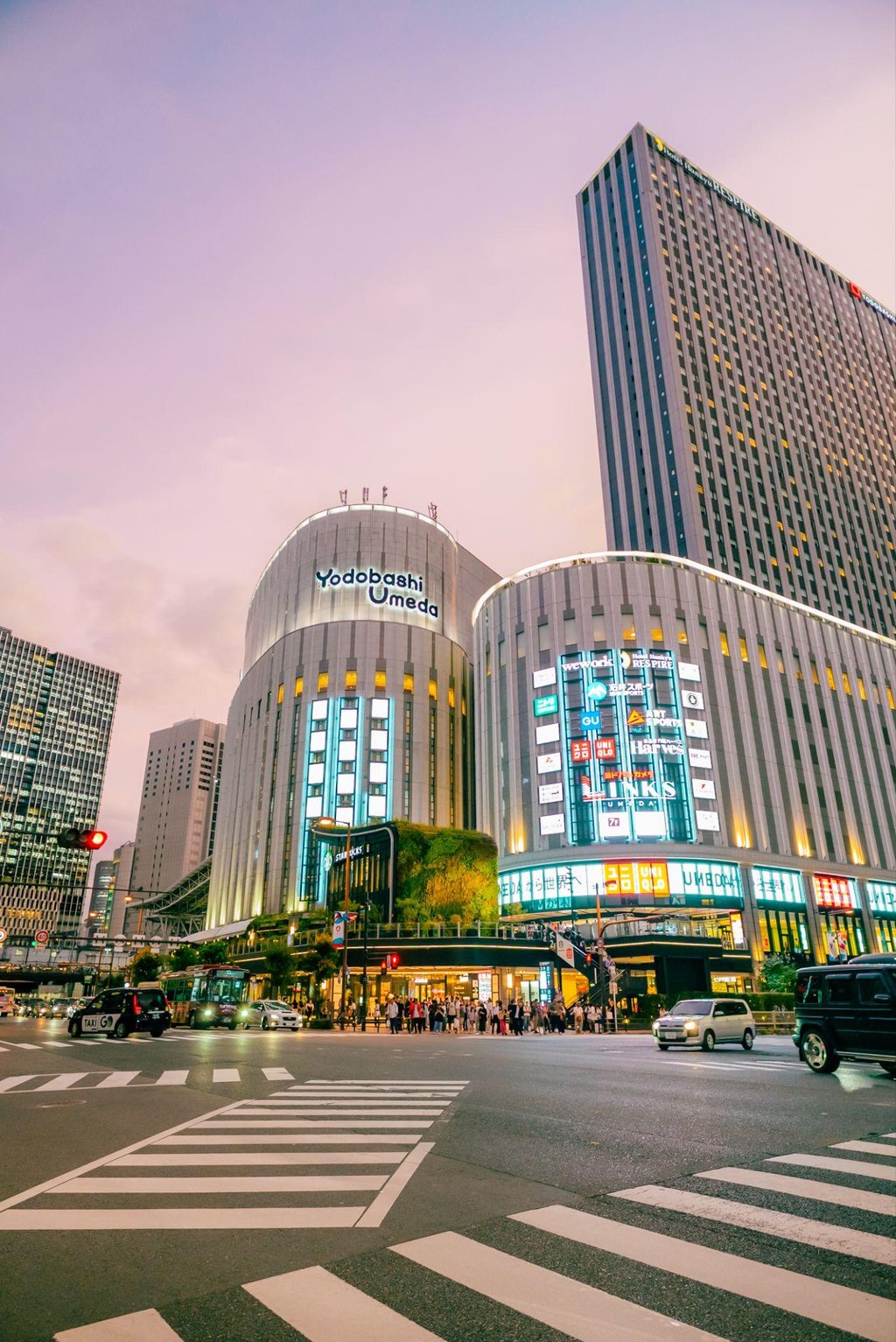
Here’s how to make the most of your time in Osaka.
For a short two-day and one-night stay, spend day one learning about the history at Osaka Castle, eat lunch at Kuromon Market, and sample takoyaki and okonomiyaki in Dotonbori and Shinsaibashi. On day two, enjoy kushikatsu and the traditional atmosphere in Shinsekai. This classic, food-focused itinerary satisfies travellers even without a trip to USJ.
For an itinerary of three days and two nights, visit Osaka Castle and Dotonbori on day one, dedicate day two to USJ, then spend day three shopping in Umeda and enjoying the view from the Umeda Sky Building. This balanced approach works well for first-time Osaka visitors.
With four days and three nights, you can incorporate several activities as well as the classic sightseeing spots. Browse knives and food replicas at Sennichimae Doguyasuji, visit Sumiyoshi Taisha shrine, or explore heritage cafés in Nakazakicho. This itinerary reveals Osaka’s less touristy places and is recommended even for repeat visitors.
Best Seasons and Times to Avoid
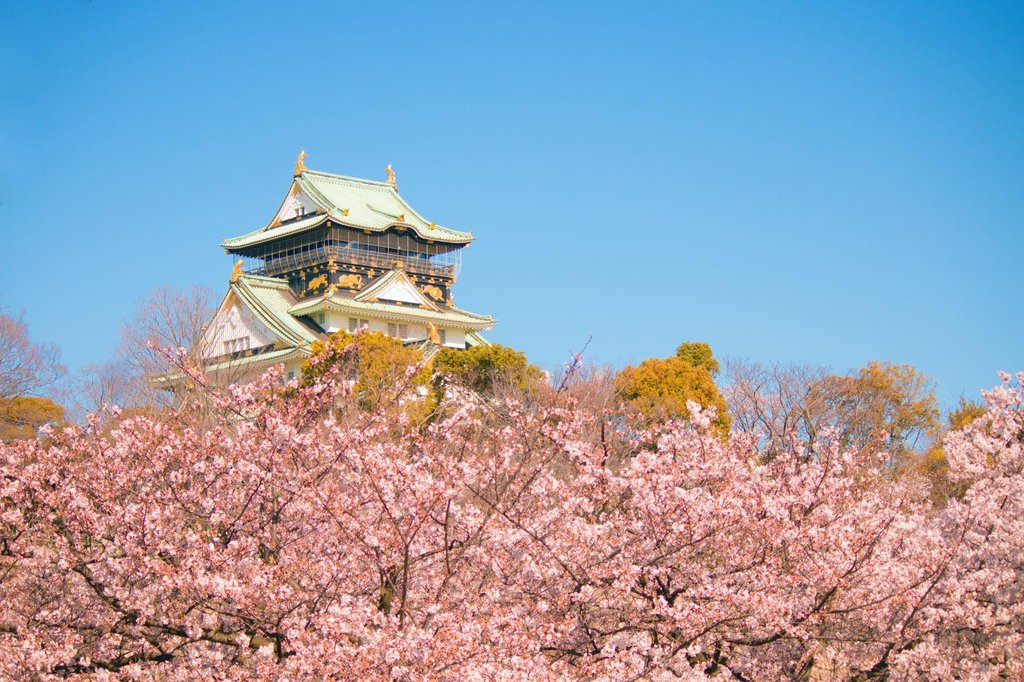
Spring (March–May) and autumn (October–November) are the best times to visit Osaka.
Spring brings with it beautiful cherry blossoms—the trees at Osaka Castle Park and the Japan Mint are particularly memorable—and temperatures between 15-20°C (59-68°F) make for comfortable sightseeing. Autumn features stunning fall foliage, with Midosuji hosting an event that centers on trees illuminated by lights, as well as other art events at Nakanoshima.
Times to avoid travelling to Osaka include:
- Summer (July-August): Daytime temperatures can exceed 30°C (86°F) with stifling humidity
- The rainy season (June-July): Increased precipitation and high humidity create muggy conditions
- National Holidays: Golden Week (late April to early May holiday period), Obon (mid-August), and New Year’s. During these times, major spots are crowded and accommodation prices tend to spike
While December-February are cold months—often around 5-8°C, or 41-46°F—winter offers unique opportunities, including events like OSAKA Hikari Renaissance and USJ’s seasonal celebrations. In order to enjoy events while also avoiding crowds, target weekdays and not peak periods.
Frequently Asked Questions (FAQ)
Got questions about visiting Osaka? Here are answers to what travelers ask most.
Is Osaka Safe For Tourists?
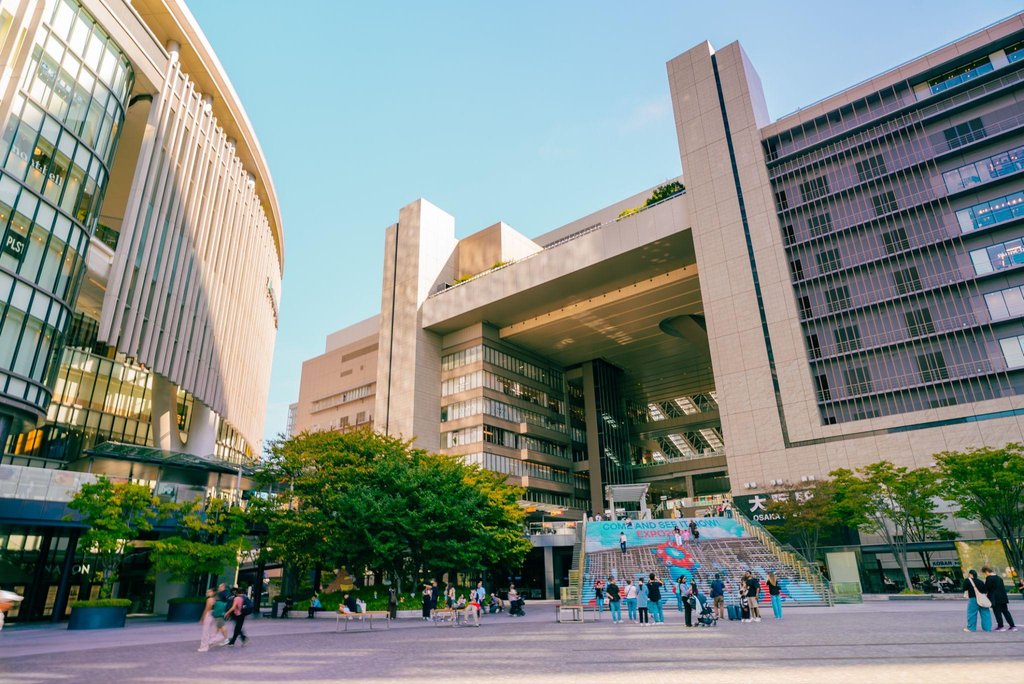
Osaka is known in Japan as one of its safest cities, so tourists can enjoy their travels with peace of mind.
In major tourist areas like Namba and Dotonbori, police are constantly working to ensure safety. Osaka Prefecture as a whole prioritizes traveler safety and aims to maintain an environment where visitors can feel comfortable around the clock.
Of course, basic precautions are advisable in any major city. Keep the following in mind:
- Carefully manage your valuables in crowded tourist areas and on trains
- Stay aware of your surroundings in entertainment districts at night
- Ignore street touts and suspicious solicitations
In emergencies, contact police at 110 or emergency services at 119 for ambulance or fire. Osaka also has information systems for foreign travelers in the event of a disaster, earning the city high marks internationally for tourism infrastructure and safety.
With basic manners and common-sense precautions, Osaka is a city that warmly welcomes tourists from around the world.
Is Osaka Good for Solo Travel?
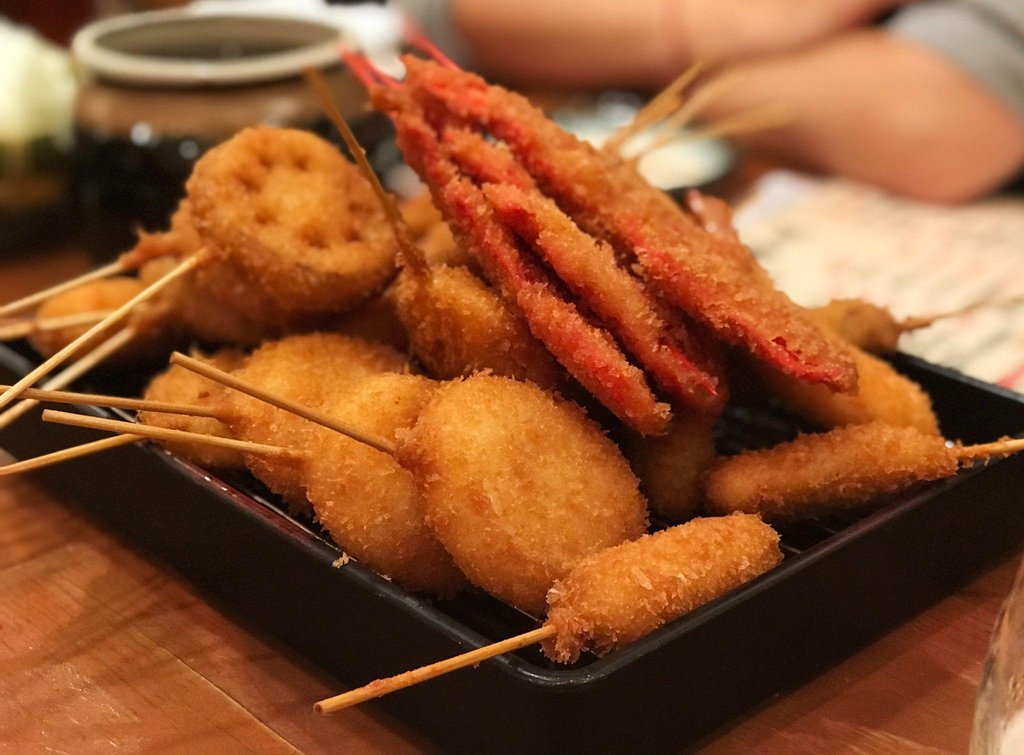
Osaka is a great city for solo travelers. The environment supports independent exploration across areas such as dining, transportation, and safety.
The culinary scene is exceptionally solo-friendly. Kushikatsu restaurants in Shinsekai open their doors from 10:00 am and boast a casual atmosphere that’s welcoming to solo diners. Street foods like takoyaki and kushikatsu in Dotonbori are perfect for eating alone, while Kitashinchi and Minamimorimachi have tempura and kushiage restaurants that accommodate single guests. Osaka is characterized by abundant counter seating and restaurants where solo diners can feel comfortable.
Osaka also offers multilingual information via disaster apps and a foreign resident consultation desk (9:00 am–5:30 pm), which helps provide reassurance in case of trouble. The friendly locals also add to the distinct pleasures of solo travel.
Can You Do a Day Trip to Osaka From Tokyo?
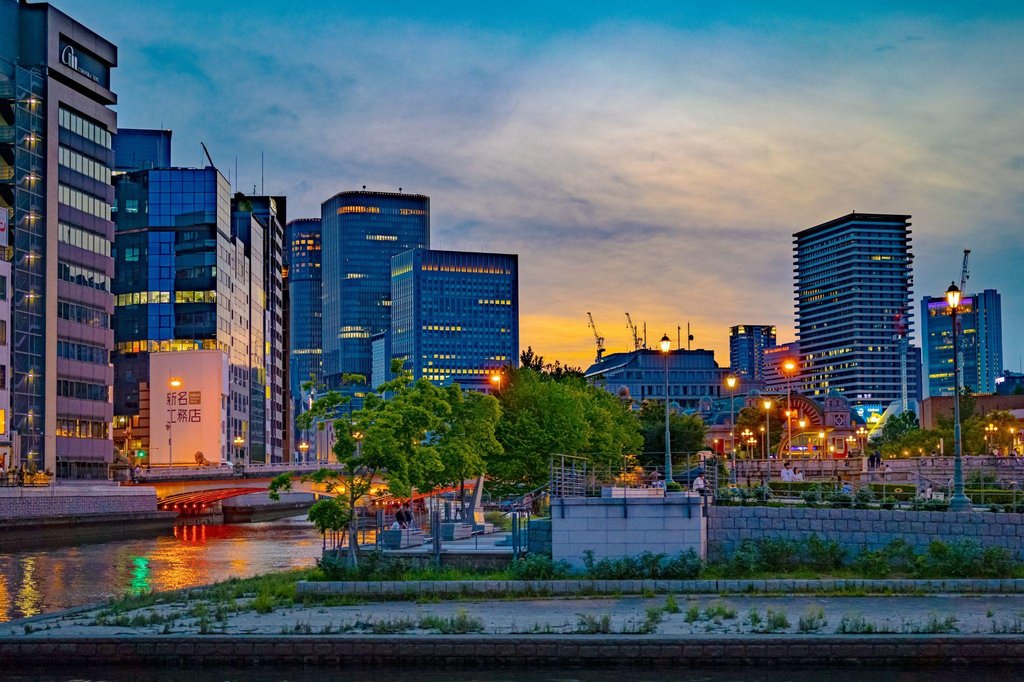
With regard to distance, a day trip from Tokyo to Osaka is feasible. Using the Nozomi bullet train line, travel is approximately 2.5-3 hours one way, making for a round trip of 5-6 hours. Catching the first train at 6:00 am gets you to Shin-Osaka by 8:30 am, and taking a late return back allows for roughly 10 hours of exploration.
Realistically, however, the schedule will be quite tight. Round-trip (reserved) seating alone costs approximately ¥30,000, and travel fatigue should be considered.
For day-trip success, you’ll need to narrow down your destinations:
- Breakfast in Umeda → street food in Dotonbori → Osaka Castle tour
- Focus on kushikatsu in the Tsutenkaku/Shinsekai area
- Concentrate on a single facility like USJ
Utilizing the Osaka Amazing Pass can help you cover major city facilities efficiently.
To truly experience Osaka’s charm, however, we recommend staying at least one night. The nighttime Dotonbori atmosphere and morning kushikatsu shops in Shinsekai are among some of the attractions that can’t be fully experienced on a day trip. If time and budget allow, an overnight stay is the way to go.
Can You Do a Day Trip to Osaka From Kyoto or Nara?
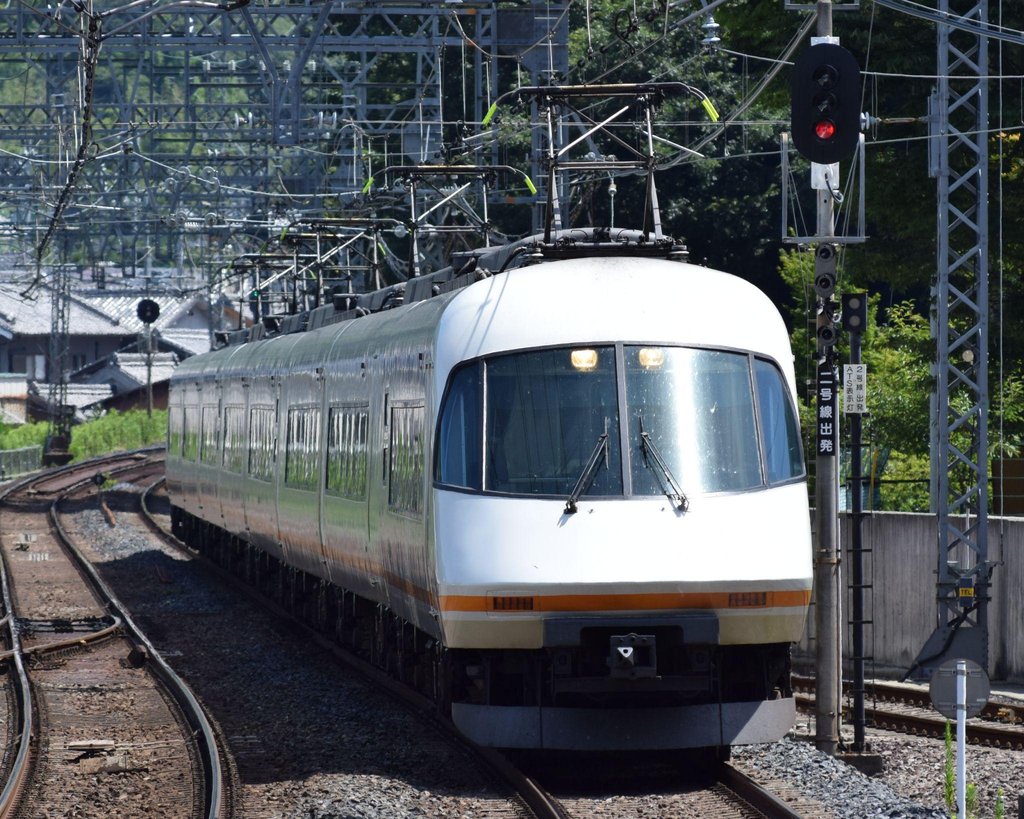
Day trips from Kyoto or Nara to Osaka are a very practical option. In fact, the close proximity between these cities is one of the greatest appeals of Kansai-area travel.
Here are the main transportation options and travel times:
| Route | Transportation | Travel Time | Fare |
|---|---|---|---|
| Kyoto → Osaka | JR Special Rapid | Approx. 30 min | ¥580 |
| Kyoto Kawaramachi → Osaka Umeda | Hankyu Limited Express | Approx. 40-45 min | ¥410 |
| Kintetsu Nara → Osaka Namba | Kintetsu Express | Approx. 35-40 min | ¥680 |
From Kyoto, central Osaka is reachable in as little as 28 minutes; from Nara, within 40 minutes. Round trips cost only around ¥1,000, making travel very reasonable.
Even with a leisurely departure in the morning, you can still enjoy kushikatsu and takoyaki in Osaka, experience the energy of Dotonbori, and return to your accommodations by evening. The contrast between Kyoto and Nara’s tranquil atmosphere and Osaka’s food and entertainment scene is a special pleasure available to you when touring the Kansai region.
With such short travel times, half-day Osaka visits are entirely viable.
Final Thoughts: Is Osaka Worth It?
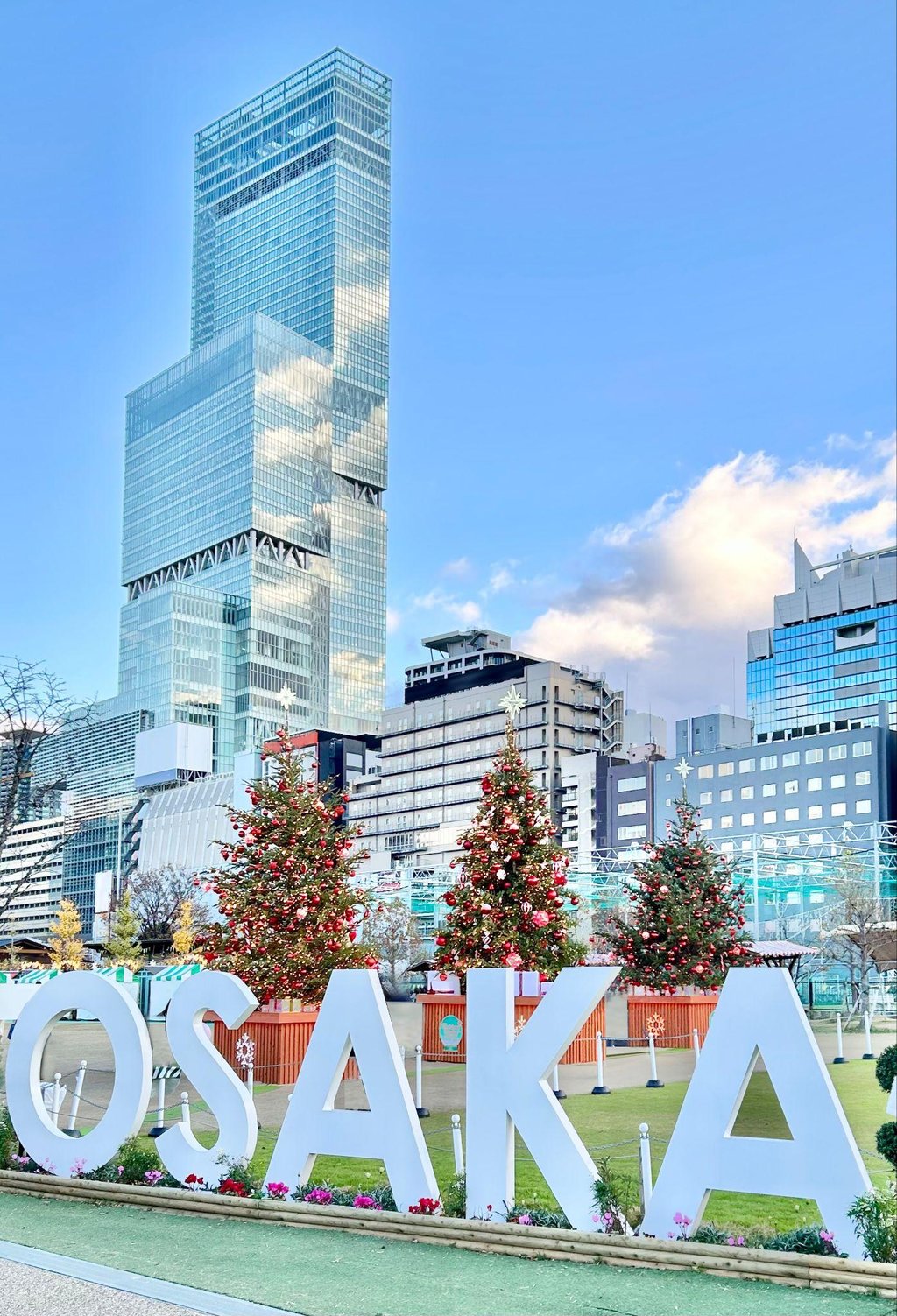
Osaka is a city packed with unique charms not found in other Japanese destinations: extravagant food culture, lots of sightseeing in close proximity, affordable prices, a friendly atmosphere, and vibrant entertainment.
If your stay is short or you’re seeking quieter experiences of traditional Japan, allocating time to Kyoto or other regional cities may bring you greater satisfaction. Whether Osaka is right for you comes down to what you’re looking for in your trip.
If you do visit Osaka, basing yourself in the Namba/Shinsaibashi area is recommended. Even with an itinerary of just two days and one night, you can fully enjoy well-known spots like Osaka Castle, Kuromon Market, Dotonbori, and Shinsekai. By targeting the spring or autumn seasons, your trip can become even more comfortable climate-wise.
We hope that you’ll use the information found in this guide to help you build a trip to Japan that’s perfect for you.